


Vehicle Data, Telematics and Insurance: How Connected Cars Affect Your Claim, Your Costs, and Your Privacy

Erandi is a InsureOne Bilingual Senior Editor. She is passionate about creating meaningful content that helps people protect what matters most. She aims to empower readers to make ...

Cyndi Wright is the senior copywriter and content manager at InsureOne. With a career that has spanned many facets of writing across a variety of platforms, Cyndi loves to create a...

Rose Carter is an accomplished content strategist and insurance marketing leader with a proven track record of creating impactful, results-driven content. With expertise in writing...

Key Takeaways
- Modern cars—especially 2015+ models—constantly collect vehicle data through sensors, computers, and telematics systems. This data is increasingly used in accident investigations and insurance decisions.
- Car data can reveal what happened in a crash, including speed, braking, seat belt use, airbag deployment, and location, supporting or contradicting driver reports.
- Insurers and investigators may access data from event data recorders (EDRs), telematics devices, smartphone apps, and connected car platforms, with access governed by consent, contracts, and data privacy laws.
- Vehicle telematics and telematics-based insurance can reward safe driving with lower premiums, but drivers should understand what data is tracked and how long it is stored.
- InsureOne Insurance helps drivers compare traditional and telematics-based auto insurance options, clarifying how vehicle data impacts claims, pricing, and privacy.
Introduction: What “Vehicle Data” Really Means in Today’s Cars
Imagine a driver in a modern SUV approaching an intersection. Seconds before another vehicle runs a red light and strikes her door, the SUV’s cameras, telematics software, and onboard computers record speed, braking, steering, and GPS location. After the crash, this data becomes a key witness influencing fault, settlement, and premiums.
“Vehicle data” includes speed, acceleration, braking, steering angle, airbag and seat belt status, engine diagnostics, tire pressure, location history, camera footage, and driver-assist activity—all captured by onboard computers. Nearly all U.S. vehicles sold since the mid-2000s have event data recorders (EDRs), and most vehicles built after 2015 have connectivity via cellular, Wi-Fi, or Bluetooth for continuous data flow.
This matters because auto insurance costs have risen sharply since 2020, and insurers need accurate risk pricing. Connected vehicles provide detailed insights into actual driving behavior. This article explores how connected vehicles and telematics collect data, how it’s used in accident investigations and insurance claims, and what privacy rights drivers have.
How Modern Vehicles Collect Data: From EDRs to Connected Car Platforms
Vehicle data comes from multiple technologies—black boxes, sensors, cameras, infotainment systems, and telematics devices—each capturing different details.
Event Data Recorders (EDRs) are in about 95% of new U.S. vehicles, capturing roughly 5 seconds of pre-crash data like speed, throttle, braking, steering, seat belt use, and airbag deployment. Starting in 2031, new regulations will require 20 seconds of pre-crash data at higher frequency for deeper insights.
Onboard diagnostics and CAN-bus data monitor engine RPM, trouble codes, tire pressure, stability control, lane keeping, and emergency braking. This data supports vehicle health reports and maintenance alerts.
Built-in sensors and cameras—including radar, LiDAR, surround-view, and driver monitoring cameras—provide time-stamped visual context for collisions or near-misses.
Infotainment and smartphone integration capture contacts, call logs, text history, Bluetooth devices, navigation, and streaming accounts, relevant in distracted driving investigations.
Connected car platforms embed modems or SIM cards to send vehicle health, mileage, location, remote start/lock events, and diagnostics to manufacturer servers via cellular networks, often continuously and transparently.
Vehicle Telematics and How Connected Vehicles Work
Vehicle telematics combines GPS, cellular or satellite communications, and onboard diagnostics to collect, transmit, and analyze data about vehicle use.
How telematics works:
- A telematics device or control unit reads CAN-bus and GPS data.
- It timestamps and packages the data.
- Data is sent via 4G/LTE or 5G to secure cloud servers.
- Software analyzes data into driving scores, alerts, or reports for providers, insurers, or fleet managers.
Factory-installed telematics—standard in most 2018+ vehicles—differs from aftermarket devices plugged into OBD-II ports or portable trackers paired with smartphones. Both provide continuous GPS and driver behavior monitoring.
Emerging vehicle-to-vehicle (V2V) and vehicle-to-everything (V2X) communications use radio and cellular networks to share hazard, speed, and traffic signal data. Vehicle-to-infrastructure (V2I) connects cars with traffic systems, supporting smart city initiatives to improve safety and traffic flow.
For personal drivers, telematics appears through usage-based insurance apps and driver scores. For commercial vehicles and fleet vehicles, telematics enables real-time GPS tracking, asset monitoring, and driver safety management.

Where Vehicle Data Comes from During an Accident Investigation
After a crash, investigators, law enforcement, and insurers use multiple digital sources beyond witness statements and photos.
Key data sources:
- Vehicle’s EDR (crash snapshot data)
- Telematics devices or insurance apps (continuous driving logs)
- OEM connected car servers (location, tracking history, health reports)
- Dashcams and external cameras (visual evidence)
- Smartphones (call/text logs, GPS history)
- Third-party fleet systems and electronic logging devices
Access rules vary: EDR data may require consent or warrants; telematics follows program agreements; OEM data depends on privacy policies and owner authorization. Government agencies may seek warrants for criminal cases.
Raw data is cleaned and analyzed by experts to create timelines, crash diagrams, and behavior profiles. Comparing data from multiple vehicles helps verify speed, braking, and road conditions. Connected cars can also automatically notify emergency services with impact severity and location.
Critical Vehicle Data Points in Collision Analysis
Data used in claims and investigations includes:
- Speed profile: Pre-crash velocity, acceleration, deceleration
- Braking events: Timing, force, ABS activation
- Steering inputs and turn signals
- Seat belt status
- Airbag deployment timing
- ESC/stability control activation
GPS location data with lane-level accuracy confirms lane position and signal compliance.
Video telematics (dashcams, driver-facing cameras) provide visual proof of behaviors like tailgating or texting.
Maintenance and diagnostic data reveal mechanical issues that may affect liability.
How Insurers Use Vehicle Data in Claims and Pricing
In recent years, insurers increasingly use telematics and connected car data alongside traditional factors like driving record and vehicle type.
Car data corroborates or challenges statements about speed, conditions, and maneuvers, affecting liability and settlements.
Usage-based insurance (UBI) models—pay-how-you-drive (PHYD) and pay-per-mile (PPM)—use mileage, time, harsh braking, acceleration, and phone usage to score drivers and adjust premiums. Fuel efficiency, idling, and routing data are key for commercial auto and fleet managers. InsureOne compares traditional and telematics policies to help customers balance savings and privacy.
Telematics-Based Insurance: Data Collected and Uses
Common telematics data for insurance:
- Total miles driven
- Trip start/end times
- GPS routes and location
- Average and max speed
- Harsh acceleration, braking, cornering
- Night driving frequency
- Phone movement suggesting distraction
Data analytics create driver scores or risk indexes, updated regularly. Insurers may adjust premiums, offer discounts, or apply surcharges.
Concerns exist about data sold to brokers without driver consent. GM settled for $12.75 million over sharing location and driving data. The FTC now requires affirmative consent.
Ethical programs require clear consent, transparent tracking details, and opt-out options. InsureOne agents assist in evaluating telematics discounts and data practices.
Vehicle Data in Commercial Auto and Fleet Management
For small businesses and fleet managers, telematics serves insurance and operational needs.
Fleet data includes idle time, route adherence, timestamps, fuel use, unauthorized use, and safety events. Electronic logging devices (ELDs) ensure compliance. Asset and vehicle tracking keep managers informed. This reduces claims and improves safety through coaching, faster breakdown response, and maintenance alerts. InsureOne agents help evaluate telematics programs for operational and insurance benefits.
Benefits of Vehicle Data for Drivers, Insurers, and Safety
Though privacy concerns are valid, responsible use of vehicle data offers benefits:
- Faster, accurate claims: Objective data reduces disputes and litigation
- Fewer fraudulent claims: Harder to fabricate stories
- Personalized pricing: Safe drivers earn meaningful discounts
- Better maintenance: Alerts prevent breakdowns
- Safer roads: Data supports traffic planning and infrastructure improvements
Connected cars can automatically notify emergency services with location and impact details, crucial in rural or low-visibility areas.
Insurers and OEMs may send driving reports and tips to improve safety. Fleet managers gain insights to enhance overall safety.
Fuel Efficiency, Maintenance, and Cost Savings
Telematics identifies behaviors harming fuel efficiency—idling, rapid acceleration, poor routing. Adjusting these reduces fuel and maintenance costs and emissions.
Connected systems monitor maintenance intervals, oil life, tire pressure, and diagnostics to prompt timely service, preventing costly breakdowns or accidents.
Small delivery businesses using telematics routing and idling alerts can cut fuel use by 10-15%, lowering costs and improving safety, which may lead to better insurance pricing.
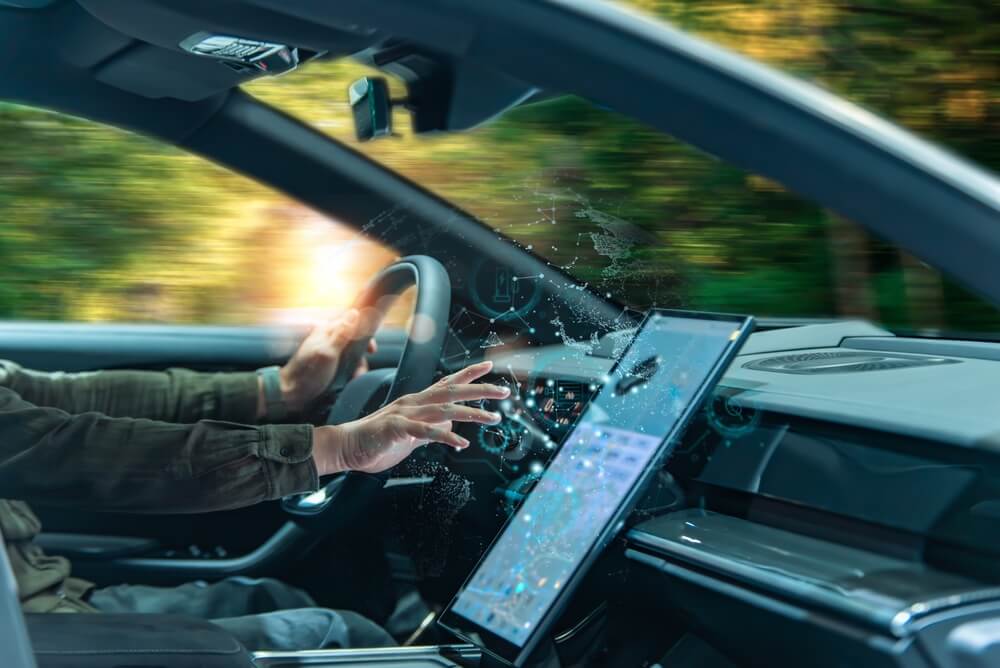
Privacy, Consent, and Control: What Drivers Should Know About Vehicle Data
Many drivers are surprised by the amount of data collected and shared. Knowing privacy settings, contracts, and laws is key.
Three data categories:
- Needed for safe operation: Engine, stability control, airbags
- Used for optional services: Remote start, Wi-Fi, navigation
- Shared with third parties: Insurers, apps, data brokers
Consent is given via app terms, connected service activation, or device installation. States like California, Virginia, and Colorado have strengthened data privacy rights, including access, deletion, and sale restrictions.
Drivers should review program terms and manage settings in vehicle apps and insurance dashboards.
Practical Steps to Limit Vehicle Data Sharing
- Review your car’s privacy settings and disable unnecessary sharing.
- Check your automaker account for active services and data retention.
- Review telematics program terms and ask your insurer for clarifications.
- Use state privacy laws to request data copies or deletion.
- Consult an InsureOne agent for policies balancing savings and privacy.
How Vehicle Data Affects You Beyond Auto: Other Insurance and Protection Considerations
Vehicle data mainly affects auto and commercial auto claims but can influence broader insurance decisions. Risky driving patterns might prompt families to review liability limits, umbrella policies, or life insurance coverage.
Small businesses relying on fleet vehicles use telematics insights to manage risks, impacting business insurance and workers’ compensation. As vehicles integrate with smart homes and mobile devices, data sharing raises security concerns, making comprehensive coverage and cyber protections important.
InsureOne acts as a “total insurance concierge,” helping coordinate auto, home, renters, motorcycle, business, and life insurance to address evolving vehicle data risks.
Working with InsureOne Insurance to Navigate Connected Vehicle Choices
InsureOne agents assess your vehicle’s compatibility with telematics programs and available discounts. They can compare traditional auto policies versus telematics-based options, explaining premium differences, data requirements, and claims handling. For multi-vehicle households or businesses, InsureOne helps bundle coverage, applying telematics where beneficial while keeping other policies traditional.
Don’t leave your auto insurance to chance—discover how vehicle data and telematics can help you get personalized coverage. Whether you prefer the convenience of getting a quote online, the personal touch of visiting a nearby office, or the ease of calling 800-836-2240, InsureOne agents are ready to guide you every step of the way. Contact us today to explore your options, compare quotes, and build a customized insurance plan that protects what matters most to you.
FAQ: Common Questions About Vehicle Data, Telematics, and Insurance
Who Owns the Data My Car Collects?
Ownership depends on data type and contracts. Under the federal Driver Privacy Act of 2015, EDR data belongs to the vehicle owner or lessee. Telematics data ownership follows service agreements or automaker privacy policies. Many states grant rights to access and delete personal data. Review your vehicle’s privacy policy and consult your InsureOne agent for specifics.
Can My Insurer Raise My Rates Suddenly Based on Vehicle Data?
Insurers must follow policy terms and state regulations. Mid-term rate changes solely from telematics data are rare and must be disclosed. Most programs apply discounts or surcharges at renewal. Review program rules and consult your agent before enrolling.
If Multiple People Drive My Car, Whose Behavior Affects the Telematics Score?
Telematics usually tracks the vehicle or the primary phone per trip, so any driver impacts the score. Some apps attempt to distinguish drivers but aren’t perfect. Families should set safe driving expectations and ask insurers about separate profiles.
Can I Opt Out or Stop Data Sharing Later?
Most telematics programs are voluntary with opt-out options, but discounts may be lost. Data collection can be stopped by uninstalling devices or disabling apps, but check with your insurer about consequences. If privacy is a priority, discuss non-telematics policies with an InsureOne agent.
Does Vehicle Data Affect Homeowners or Renters Insurance Claims?
Vehicle data mainly impacts auto claims. However, insurers may consider overall risk profiles for multi-policy households. Frequent auto accidents could influence underwriting but usually based on claim history, not raw telematics data. InsureOne can help you understand these interactions.