


Homeowners Insurance in Kansas
Insurance Protection for Homeowners Across Kansas
Kansas, a state steeped in history, invites visitors to explore its rich heritage. The state’s name originates from the Kansa Native American tribe, its original inhabitants. Throughout Kansas, museums and historic landmarks offer a window into significant events such as Bleeding Kansas and the Civil War.
Cities like Wichita and Topeka highlight Kansas’ vibrant cultural life with art galleries and theaters. For those who appreciate nature, the state boasts pristine landscapes at sites like Tallgrass Prairie National Preserve and Quivira National Wildlife Refuge.
Offering a diverse array of experiences, Kansas allows you to uncover its origins, immerse yourself in its history, and enjoy its natural beauty. If you own a home here, securing homeowners insurance is essential to protect your investment from potential risks. At InsureOne, we’re ready to help you find the best coverage options at competitive rates.
How Much Does Homeowners Insurance Cost in Kansas?
In Kansas, homeowners’ insurance costs an average of $2,981 per year or $248 per month. This is about 70% higher than the national average of $1,754.
Located in Tornado Alley, Kansas experiences frequent tornadoes, making it one of the most tornado-prone states in the country. The state is also vulnerable to strong storms and flooding. Residents in high-risk flood zones should make sure they have the right home insurance coverage, including separate flood insurance.

Does Kansas Have the 80% Homeowners Insurance Rule?
Insurance companies often follow the 80/20 rule, recommending homeowners insure their property for at least 80% of its replacement value. This figure should be updated regularly to reflect inflation and any home improvements.
For example, if your home’s replacement cost is $500,000, you should insure it for at least $400,000. If coverage falls below this threshold, insurers may only pay a percentage of your claim. Updating coverage after renovations is essential to maintain adequate protection.
Homeowners Insurance Required in Kansas
Kansas law does not require homeowners insurance, but most mortgage lenders mandate it before approving a loan. This protects both your investment and the lender’s interest, ensuring financial coverage to repair or rebuild your home if damaged.
Even if you own your home outright, having homeowners insurance in Kansas is wise. The state’s risks—tornadoes, hail, wildfires, and severe storms—mean unexpected damage can occur anytime. The right policy helps Kansas homeowners protect their house, belongings, and finances from natural disasters and other covered events, including situations where your HOA can affect your homeowners insurance.
What’s Typically Covered?
A standard home insurance policy in Kansas generally includes:
- Dwelling coverage: Protects your home’s structure against fire, wind, hail, and more.
- Personal property coverage: Covers belongings like furniture, electronics, and clothing if damaged or stolen.
- Liability protection: Provides financial protection if someone is injured on your property or if you accidentally damage another’s property.
- Additional living expenses: Covers the cost of temporary housing and other living expenses if your home becomes uninhabitable due to a covered event.
Optional Coverages to Consider
Because Kansas is prone to natural disasters, consider adding extra protection with home insurance riders for additional coverage:
- Flood insurance: Standard policies exclude flooding. Purchase separate flood insurance if you live in a flood-prone area.
- Earthquake insurance: Less common but not included in standard policies.
- Identity theft protection: Some insurers offer this add-on for extra peace of mind.
Understanding Exclusions
Read your policy carefully to understand exclusions. For example, flooding or earth movement damage is usually excluded unless you buy additional coverage. Always ask your insurance agent to explain any exclusions or conditions.
Accessing Coverage in High-Risk Areas
If you have trouble qualifying for standard insurance due to location or claims history, you may qualify for the Kansas FAIR Plan. This state-backed program offers basic coverage for high-risk homeowners but tends to be more expensive with fewer options than traditional policies.
At InsureOne, we can help you find the best home protection at the best price. We’ll shop around for you and provide you with the top options so you can choose.

How to Find Home Insurance in Kansas
Shop around and compare quotes from multiple providers to get the best coverage at an affordable price. Consider opting for a higher deductible to lower premiums but ensure you can afford the deductible if a claim arises.
Ask about discounts for safety features or claim history. InsureOne allows bundling policies for competitive rates and savings. Installing protective devices and maintaining a claims-free history can also lower premiums. Review policy limits regularly to ensure sufficient coverage for rebuilding your home after a total loss.
How Do Home Insurance Deductibles Affect Rates in Kansas?
Your deductible choice greatly influences your premium. Raising your deductible lowers your premium but increases out-of-pocket costs when filing a claim. Many insurers offer incentives for higher deductibles, so balance your budget and risk tolerance accordingly.
Compare Home Insurance Rates by Coverage Levels in Kansas
Most homeowners insure their homes for at least 80% of replacement cost.
| Dwelling Coverage (Kansas) | Average Annual Insurance Cost |
|---|---|
| $100,000 | $1,787 |
| $200,000 | $2,600 |
| $250,000 | $1,550 |
| $400,000 | $4,517 |
At InsureOne, we help you find the best home protection at the best price by shopping multiple options.
Is Home Insurance Tax Deductible in Kansas?
Home insurance premiums are generally not tax-deductible unless you use your home for business purposes. You may deduct expenses related to a home office but should also consider affordable business insurance coverage for your company.

Bundling Home and Auto Insurance in Kansas
Bundling home and auto insurance policies offers cost savings, convenience, and simplified coverage. Multi-policy discounts can save up to 25%, and claim-free discounts may save up to 20%. Bundling also provides potential loyalty rewards and smoother claims processing.

How Does Your Home’s Construction Impact Insurance Rates?
Construction materials impact insurance rates. Homes built with durable materials like brick or stone usually have lower rates due to better resistance against storms or hail. Wooden homes may have higher rates due to increased fire and damage risk.
Older homes may face higher premiums because of outdated systems posing risks. Insurance companies consider these factors when setting rates. Shopping around helps find the best coverage and rates, especially if you invest in green home insurance for eco-friendly homes.
Types of Homeowners Insurance in Kansas
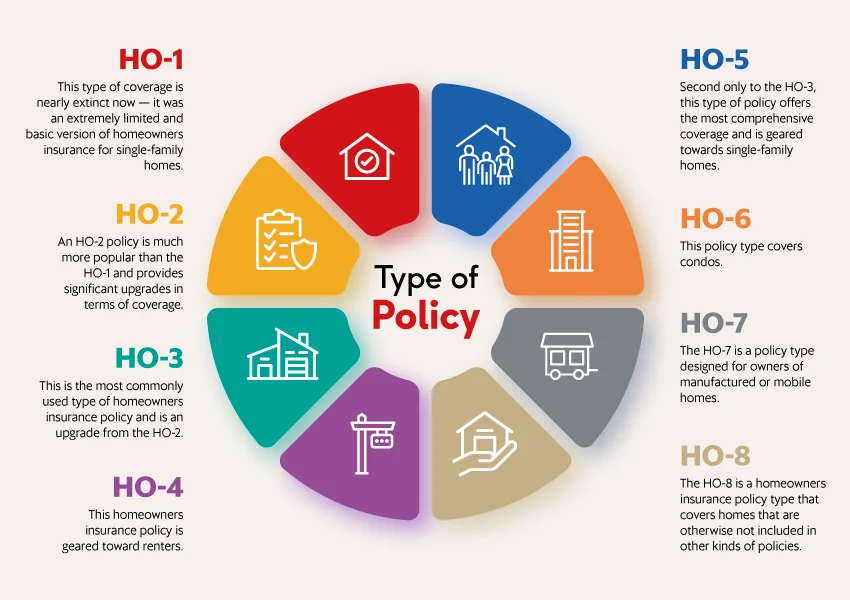
Kansas homeowners can choose from several policy types:
- HO-1: Basic Form – Covers limited named perils like fire, theft, vandalism.
- HO-2: Broad Form – Covers more named perils including falling objects and water damage.
- HO-3: Special Form – Most popular; covers all perils except exclusions.
- HO-4: Renters Insurance – For tenants; covers personal belongings and liability.
- HO-5: Comprehensive Form – Extensive coverage on home and personal property.
- HO-6: Condominium Insurance – For condo owners; covers personal property and interior structures.
- HO-7: Mobile Home Insurance – For mobile or manufactured homes.
- HO-8: Older Home Insurance – For older homes; covers actual cash value rather than replacement cost.
Consult your insurance agent to choose the best policy for your home type and needs.
What is the Most Common Homeowners Insurance in Kansas?
The most common type of homeowners insurance in Kansas is the HO-3 Special Form policy. This policy provides comprehensive coverage by protecting your home against all perils except those specifically excluded. It typically covers damage from natural disasters common in Kansas, such as tornadoes, hail, windstorms, and fire. The HO-3 policy also includes personal property coverage and liability protection, making it a popular choice for Kansas homeowners seeking broad protection tailored to the state’s unique risks.
Other policy types like HO-1 (Basic Form) and HO-2 (Broad Form) are less common due to their more limited coverage. For renters, HO-4 policies are standard, while condo owners often choose HO-6. Older homes might opt for HO-8 policies that cover actual cash value rather than replacement cost.
Consulting with an insurance agent helps determine the best policy type based on your home’s characteristics, location, and coverage needs.

Get a Kansas Home Insurance Quote with Great Rates Today!
At InsureOne, we simplify finding the right home insurance for your needs. Tell us your requirements, and we’ll present flexible, competitive options tailored to your Kansas home.
Contact us at 800-836-2240 or get a quote online today. Visit one of our locations for personalized service. Protect your home with confidence now!
FAQs on Home Insurance in Kansas
What Does Homeowners Insurance Cover in Kansas?
Standard coverage includes protection for your home’s structure against fire, wind, hail, and tornadoes; personal property coverage for belongings; liability protection for injuries or damages; and additional living expenses if your home is uninhabitable.
How Can I Get Home Insurance Discounts in Kansas?
Save through multi-policy discounts, claim-free rewards, and discounts for protective devices like smoke detectors or storm shutters. Maintaining good credit and a claims-free history also helps. Ask your agent about all available discounts.
Do I Need Separate Flood Insurance in Kansas?
Yes. Standard policies exclude flooding or rising water damage. Purchase flood insurance via the National Flood Insurance Program (NFIP) or private insurers for protection against flood losses.
How Much Dwelling Coverage Should I Carry for My Kansas Home?
Insure at least 80% of your home’s replacement cost to cover rebuilding expenses. Regularly update coverage to reflect inflation and home improvements. Replacement cost coverage is preferred over actual cash value to avoid depreciation reducing claims.