



Minnesota Homeowners Insurance Quotes
Keeping You Up to Date on Home Insurance in Minnesota
Minnesota is a hidden gem for residents seeking natural beauty and outdoor adventure. With its thousands of lakes, scenic parks, and vibrant communities, the state offers homeowners a unique mix of peaceful landscapes and lively city life. From the cultural attractions of Minneapolis and St. Paul to the quiet charm of smaller towns, the state provides an exceptional place to call home.
Owning a home in Minnesota comes with many rewards, but it also brings important responsibilities. Harsh winters, severe storms, and unexpected events can put your property at risk, making it essential to have dependable homeowners insurance in place. The right coverage helps protect both your home and the belongings inside it.
InsureOne helps Minnesota homeowners stay protected with the best homeowners insurance at competitive prices. With flexible policy options and trusted protection, you can enjoy everything the state has to offer while knowing your home and possessions are well safeguarded.
Average Cost of Homeowners Insurance in Minnesota
The average cost of homeowners insurance in Minnesota is approximately $2,400 per year, or around $200 per month, for a policy with $300,000 in dwelling coverage. This is higher than the national average of $1,754 per year.
This cost is influenced by a combination of factors like sustained inflation, labor shortages, rising construction costs, and severe natural disasters. Keep reading to learn more.

Coverage Options in Minnesota Homeowners Insurance
A standard homeowners insurance policy in Minnesota typically includes several key types of protection:
- Dwelling coverage ‑ protects the structure of your home.
- Other structures coverage ‑ covers garages, sheds, and fences.
- Personal property coverage ‑ protects belongings like furniture and electronics.
- Liability protection ‑ covers injuries or damages to others.
- Additional living expenses (ALE) ‑ pays for temporary housing if your home becomes uninhabitable.
Many homeowners also add endorsements such as replacement cost coverage for better protection.

Does Minnesota Have the 80% Homeowners Insurance Rule?
Most insurance providers require homeowners to maintain dwelling coverage equal to at least 80% of their home’s replacement cost to receive full claim payouts.
For example, if your home’s replacement cost is $350,000, you should carry at least $280,000 in coverage. Falling below this threshold may result in partial claim payments.
Keeping your coverage updated is essential, especially as construction costs and home values increase over time. For more information and guidance, consider reading our comprehensive Homeowners Insurance Guide.
How Do Home Insurance Deductibles Affect Rates in MN?
Your home insurance deductible is the amount you pay out of pocket before your insurance covers a claim.
- Higher deductibles = lower monthly premiums.
- Lower deductibles = higher premiums but less out‑of‑pocket cost during claims.
Example: If your deductible is $2,500 and storm damage totals $6,000, you pay $2,500 and your insurer covers the remaining $3,500.
Choosing the right deductible depends on your financial comfort level and risk tolerance.
Saving on Homeowners Insurance in Minnesota
There are several ways Minnesota homeowners can lower their insurance costs:
- Bundling home and auto insurance (up to 18% savings).
- Increasing your deductible.
- Installing security systems or smart home devices.
- Maintaining a strong credit profile.
- Avoiding frequent claims.
Working with an InsureOne agent can help you identify the best home insurance discounts available.
Compare Home Insurance Rates by Coverage Levels in the Land of 10,000 Lakes
Here’s how average homeowners insurance costs in Minnesota vary by coverage level:
| Dwelling Coverage | Average Annual Cost |
|---|---|
| $100,000 | $1,340 |
| $200,000 | $1,800 |
| $300,000 | $2,400 |
| $400,000 | $3,000 |
| $500,000 | $4,500 |
Find top‑rated home insurance from national carriers at affordable prices. Let InsureOne agents provide excellent customer service and flexible plans tailored to your needs.
Is Home Insurance Tax Deductible in Minnesota?
Although home insurance costs in Minnesota are generally not tax deductible, there are some situations in which you may be able to deduct associated expenses from your income tax. For instance, if you use your home as an office or rental space, you may qualify for deductions related to those specific uses.
It is important to understand that tax laws are complex and often subject to changes. To ensure accurate and personalized guidance, it is advisable to consult with tax professionals who can provide expert advice based on your specific circumstances.

Bundling Home and Auto Insurance in MN
Bundling home and auto insurance from the same provider offers cost‑effective advantages such as convenience, potential savings, and simplified policy management.
In Minnesota, bundling can lead to an 18% reduction in premium. Bundling also provides more comprehensive protection and additional benefits. To enjoy these perks, compare quotes, consult with insurance agents, and consider the 9 Tips to Save on Homeowners Insurance.
What Are the Different Types of Home Insurance?
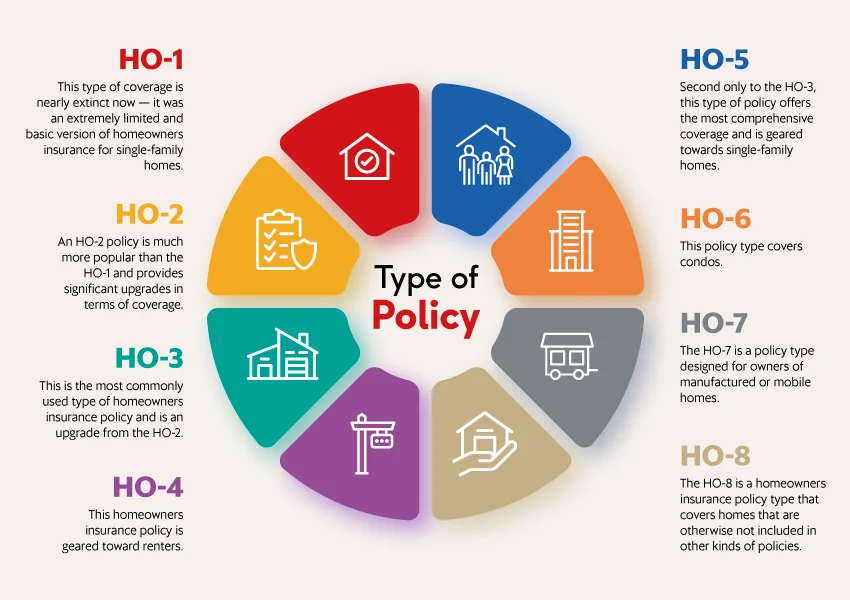
In Minnesota, single‑family homes are the most common type of housing, accounting for about 70% of all residences. Apartments and townhouses make up the next largest categories. Because each housing type comes with different risks and coverage needs, homeowners insurance policies are designed to provide tailored protection.
There are several types of homeowners insurance policies available in Minnesota, including:
- HO‑1: Basic Form.
- HO‑2: Broad Form.
- HO‑3: Special Form (most common).
- HO‑4: Renters Insurance.
- HO‑5: Comprehensive Form.
- HO‑6: Condo Insurance.
- HO‑7: Mobile Home Insurance.
- HO‑8: Older Home Insurance.
If you’re unsure which type of policy is right for your situation, working with a knowledgeable insurance agent can help. An experienced agent can evaluate your home, risks, and budget to recommend the most appropriate coverage.
Comparing Homeowners Insurance Providers in Minnesota
When comparing homeowners insurance providers in Minnesota, it’s important to evaluate:
- Coverage options and flexibility.
- Customer service and claims support.
- Pricing and available discounts.
- Financial strength of the insurer.
InsureOne works with trusted national carriers to help homeowners find policies tailored to their needs and budget.
What Weather Events Affect Home Insurance Costs in Minnesota?
In Minnesota, weather events such as winter storms, hail, and floods significantly influence homeowners insurance costs. Understanding these risks is essential when selecting the best homeowners insurance and coverage options for your property.
Winter weather in Minnesota is harsh, with severe storms causing damage like fallen trees, collapsed roofs, and frozen pipes. Most homeowners insurance policies cover these damages, provided proper home maintenance is performed. For instance, keeping your heat on during cold spells can help protect your home and ensure coverage applies.
Hailstorms are common and can lead to costly property damage, especially to roofs and siding. Many insurance companies include hail coverage in their homeowners policies, but it’s important to review your policy carefully. Some policies have separate deductibles or limits specifically for hail or wind damage, which can affect your out‑of‑pocket costs.
Flooding is also a notable risk due to Minnesota’s numerous lakes and heavy rain or snowmelt. However, standard homeowners insurance in Minnesota does not cover flood damage. To protect your home against flood‑related losses, consider purchasing additional flood insurance coverage.
Being ready for these weather events and understanding your policy’s details can help you save money and avoid expensive surprises. If you have questions or need guidance, contact an experienced insurance agent who can help you tailor your homeowners insurance policy to your needs and the unique risks of living in Minnesota.
Winter Weather Preparedness for Homeowners Insurance
Minnesota winters can be severe, making preparation essential. Homeowners should:
- Keep heating systems running during cold weather.
- Insulate pipes to prevent freezing.
- Maintain roofs to avoid ice dams.
- Trim trees to reduce storm damage risk.
Taking these steps can help prevent costly claims and ensure your winter storm damage coverage remains valid.
What Is the Most Common Homeowners Insurance in Minnesota?
The HO‑3 policy, also known as the Special Form policy, is the most common type of homeowners insurance in Minnesota. It provides broad protection for your home and personal belongings and includes replacement cost coverage for the structure of your home.
To enhance your coverage and ensure true peace of mind, it is recommended to consider adding flood insurance to your policy. This additional coverage will provide added security and protection against potential water damage in the Land of 10,000 Lakes.

Protect Your Minnesota Home and Save More Now
At InsureOne, we understand the importance of your needs and budget. Leave the research to us as we find the best options tailored for you, allowing you to prioritize quality time spent with your family. You can easily get in touch with us by phone at (800) 836‑2240, or easily obtain an instant home insurance quote online. You can also visit one of our convenient locations. Rest assured, we are here to provide you with the insurance solutions you require.
FAQs
What Does Homeowners Insurance Cover in Minnesota?
Homeowners insurance in Minnesota typically covers damage to your home, other structures on your property, and personal belongings such as furniture and jewelry. Standard policies protect against fire, wind, hail, snow, and ice damage. Flood damage is not covered and requires separate flood insurance. Many homeowners customize their coverage with additional options to fit their needs.
How Can Minnesota Homeowners Lower Their Insurance Rates?
Minnesota homeowners can reduce premiums by bundling home and auto insurance, saving 15% to 30%. Increasing deductibles lowers annual costs but raises out‑of‑pocket expenses when filing claims. Installing security systems and protective devices may qualify for discounts. Maintaining good credit and avoiding multiple claims also helps keep rates down.
Does Home Insurance Cover Winter Storm and Frozen Pipe Damage In MN?
Most homeowners insurance policies in Minnesota cover damage caused by winter storms, including frozen pipes, fallen trees, collapsed roofs, snow, and ice damage. Proper home maintenance, such as keeping the heat on during cold spells, is essential to ensure coverage applies. However, damage from flooding caused by thawing snow and ice is generally not covered under standard policies.
Is Flood Damage Covered By Standard Homeowners Insurance in Minnesota?
No, standard homeowners insurance policies in Minnesota do not cover flood damage. Due to Minnesota’s many lakes and risk of flooding from heavy rain and snowmelt, purchasing a separate flood insurance policy is strongly recommended to protect your home and belongings against flood‑related losses.