


Does Homeowners Insurance Cover Contractor Damage?

Ashley Walrath is a results-driven content strategist and copywriter known for creating clear, engaging content that connects brands with their audiences while supporting measurabl...

Andrea Perez is a bilingual content writer at InsureOne, where she creates strategic content for multiple brands within the insurance industry. With a background in journalism, edi...

Rose Carter is an accomplished content strategist and insurance marketing leader with a proven track record of creating impactful, results-driven content. With expertise in writing...
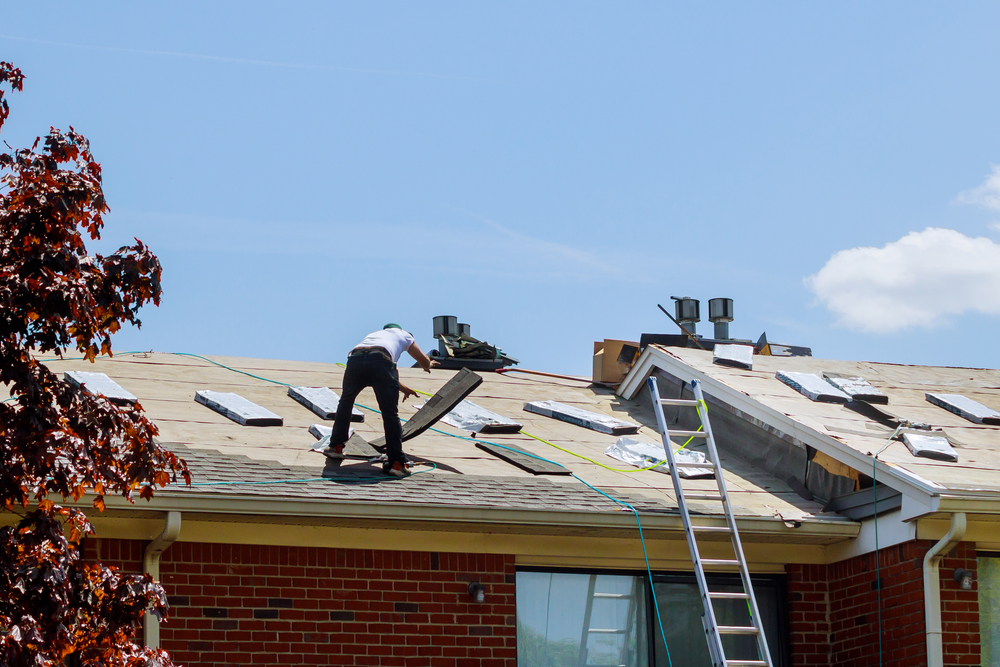
Home renovations don’t always go according to plan. A contractor could accidentally break a pipe, damage your flooring, or even start a fire while working on your home. When that happens, figuring out who pays for the damage can get complicated.
Homeowners insurance may cover certain accidental damage caused during a renovation, while the contractor’s insurance may apply in other situations. The key distinction is often between damage caused by an accident and the cost of correcting poor workmanship.
Here’s how coverage may work and what to check before hiring someone to work on your home.
Key Takeaways
- Homeowners insurance may cover sudden and accidental damage that occurs during a renovation, depending on the cause and policy.
- A contractor’s liability insurance may cover property damage caused by the contractor or their employees.
- Homeowners insurance generally doesn’t pay to correct poor or defective workmanship itself.
- Resulting damage caused by faulty work may be covered in some situations, subject to policy terms and exclusions.
- Homeowners should verify a contractor’s insurance and review their own coverage before a major project begins.
When Does Homeowners Insurance Cover Contractor Damage?
Whether homeowners insurance covers contractor damage depends on what happened and the terms of your policy.
Suppose a contractor accidentally starts a fire while remodeling your kitchen. If your policy covers fire, your homeowners insurance may help pay for covered damage to the home and belongings, subject to the amount you pay out of pocket before coverage applies and the maximum amount your policy will pay.
Other examples could include a contractor accidentally damaging part of your home while moving equipment or causing sudden water damage during a plumbing project.
Knowing what home insurance covers before construction starts can make it easier to understand which types of losses may fall under your policy.
However, homeowners insurance generally doesn’t pay for the contractor’s defective work itself.
If a contractor installs a roof incorrectly, for example, your policy typically wouldn’t pay simply because the installation was poor. If the faulty installation later causes separate damage to another part of your home, coverage for that resulting damage depends on your policy and the circumstances.
Contractor’s Insurance vs. Your Homeowners Policy
A contractor’s insurance and your homeowners policy can potentially come into play when something goes wrong during a renovation.
Which coverage responds depends on who caused the damage, what happened, and the terms of each policy.
What Contractors Should Carry
Before work begins, ask your contractor about their insurance.
Coverage to look for may include:
Commercial general liability insurance: This can provide coverage when the contractor causes covered property damage or bodily injury while performing the job.
Workers’ compensation insurance: Depending on state requirements and the contractor’s business, workers’ compensation can provide benefits when an employee is injured on the job.
Contractor bonds: A bond isn’t the same as liability insurance. Depending on the bond and local requirements, it may provide certain financial protections related to the contractor’s obligations.
Requirements vary by state and type of contractor, so verify what applies to where you live.
Which Insurance May Respond?
If a contractor damages your property, their liability insurance may provide coverage for the loss if the incident falls within the terms of their policy.
Your own homeowners insurance may also provide coverage for certain losses, depending on what caused the damage and your policy terms.
For example, if a contractor accidentally causes a fire that damages your home, you may have a potentially covered homeowners claim. Your insurance company may then determine whether another party or insurer is responsible for some or all of the loss.
That process may include subrogation, which allows an insurer to seek reimbursement from a responsible third party after paying a covered claim.
Because the circumstances of each loss are different, don’t assume that one particular insurance policy will always pay first.
Who Pays? Three Scenarios
Consider how coverage could work in these common renovation situations.
Faulty electrical work: An electrician installs wiring incorrectly. The cost of correcting the defective wiring itself would generally be the contractor’s responsibility. If the faulty wiring later causes a covered fire, however, your homeowners policy may provide coverage for resulting damage, subject to its terms.
Improper roof installation: A roofer installs flashing incorrectly, and water later enters the home. Homeowners insurance may not cover the defective flashing itself. Coverage for resulting water damage depends on the cause, timing, and policy exclusions.
Accidental plumbing damage: A plumber accidentally damages a pipe during a renovation and water immediately damages your flooring. Your insurer may treat that sudden water damage differently from a slow leak caused by poor workmanship over several months.
The Risk of Uninsured Contractors
Hiring an uninsured contractor can make an already frustrating situation harder.
If the contractor causes damage but doesn’t have applicable liability insurance, you may need to rely on your own homeowners coverage if your policy covers the loss. You could also be responsible for your deductible and may need to pursue the contractor directly for other costs.
Before signing a contract, ask for proof of applicable insurance and verify that the coverage will remain active throughout the project.
Resulting Damage vs. Poor Workmanship: How Claims Are Evaluated
One of the most important distinctions in contractor-related claims is the difference between poor workmanship and resulting damage.
What “Poor Workmanship” Means
Poor workmanship refers to defective or improperly completed work.
Examples could include:
- Incorrectly installed roofing
- Improper electrical work
- Faulty plumbing connections
- Improperly installed flooring
- Construction that doesn’t meet applicable specifications
Homeowners insurance generally isn’t intended to serve as a warranty for a contractor’s work. If the only problem is that the contractor did a bad job, the cost of correcting that work typically falls outside the purpose of a standard homeowners policy.
That’s why hiring a qualified, properly insured contractor matters even when you have strong homeowners coverage.
What “Resulting Damage” Means
Resulting damage is separate damage caused by defective work.
For example, imagine a contractor incorrectly connects a plumbing line. Your policy may not cover the faulty connection itself. If it suddenly fails and causes covered water damage to your flooring and drywall, however, the resulting damage may qualify for coverage depending on your policy.
The same distinction can apply to other projects.
If faulty electrical work causes a fire, the cost of correcting the defective electrical work and the cost of repairing the fire damage may be treated differently.
Coverage varies, so your insurer will review the specific cause of the loss and the applicable exclusions before determining what the policy covers.
How Adjusters Investigate
When you file a contractor-related claim, the insurance company may look at:
- What caused the damage
- When the damage occurred
- Whether the loss was sudden or developed over time
- The contractor’s work and documentation
- Photos or videos of the affected area
- Contracts and change orders
- Inspection or repair reports
The distinction between sudden damage and a long-term problem can be important. A sudden accidental event may be treated differently from deterioration, maintenance issues, or damage that developed gradually.
Practical Steps for Smoother Claims
Good documentation can make a big difference if something goes wrong during a renovation.
- Take photos before work begins.
- Document damage as soon as you discover it.
- Keep your contract, change orders, invoices, and receipts.
- Save communication with the contractor.
- Report significant damage promptly.
- Avoid throwing away damaged materials until you know whether the insurer needs to inspect them.
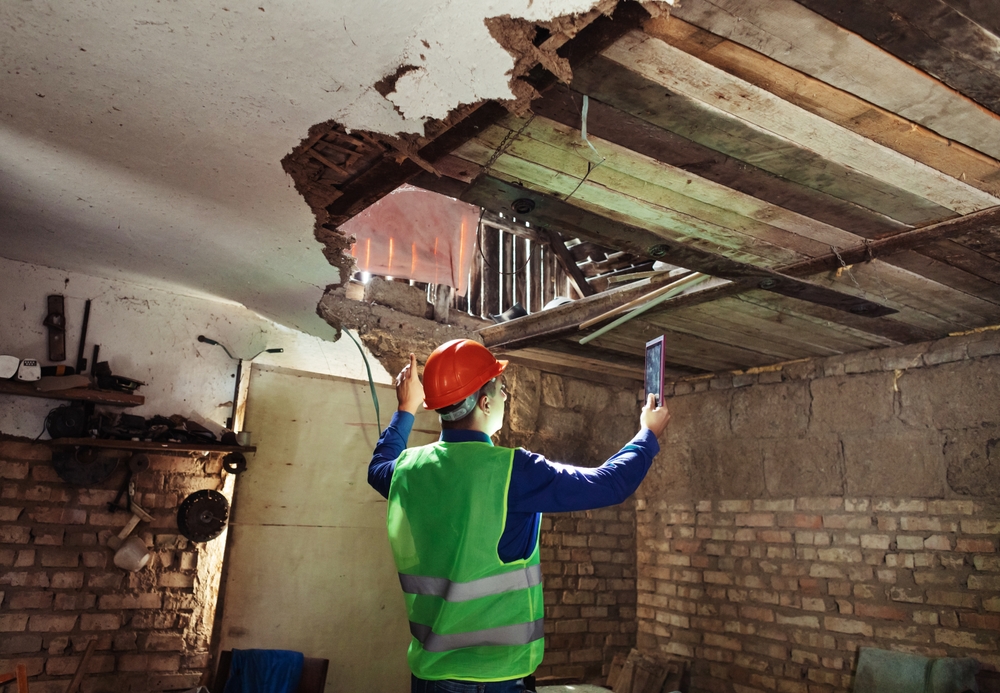
Checklist: Verify Contractor Coverage Before Work Begins
A little homework before demolition begins can save you a lot of frustration later.
Insurance Verification
Before hiring a contractor:
- Ask for proof of applicable liability insurance.
- Check whether workers’ compensation coverage is required for the contractor.
- Confirm that the policy dates cover the planned project.
- Ask what insurance applies to subcontractors working on your property.
Don’t rely solely on a contractor saying they’re insured. Ask for documentation and verify it when appropriate.
Validation
Once you receive the insurance information:
- Check that the contractor’s name matches the business you hired.
- Confirm that the policy is current.
- Verify coverage information with the insurer or agent when needed.
- Check applicable bonding requirements in your state or municipality.
Insurance requirements can vary, so focus on what is required for the type of work and where you live.
Licensing and Contract Safeguards
Insurance is only one part of choosing a contractor.
Before work begins:
- Verify licensing requirements with the appropriate state or local agency.
- Get the project scope in writing.
- Specify materials and major project details.
- Identify who is responsible for permits and inspections.
- Review references and previous work.
- Keep copies of contracts, payments, and changes to the project.
Avoid relying on verbal agreements for major renovations.
Coverage Review Before Renovation
A major renovation can change your home and potentially its replacement cost.
Contact your insurer before starting a significant project. Depending on the scope of work, you may need to update your policy or discuss additional coverage.
For example, adding square footage or making substantial upgrades could affect how much it would cost to rebuild your home after a covered loss. Understanding the difference between replacement cost and actual cash value can also help when reviewing how your home and belongings are insured.
If the project significantly changes your home, ask your agent whether the maximum amount your policy will pay to rebuild your home or other coverages should be updated.
Can Umbrella Insurance Help with Contractor-Related Claims?
An umbrella insurance policy provides additional personal liability protection above the limits of certain other insurance policies.
However, umbrella insurance isn’t designed to pay to correct a contractor’s poor workmanship or replace the contractor’s liability insurance.
Its roles are different. It may provide additional liability protection for covered claims against you once applicable underlying limits are reached, subject to the umbrella policy’s terms.
If you’re planning a major renovation, an insurance agent can help you review both your property and personal liability coverage before work begins.
Protect Your Home Before the Project Starts
A renovation should improve your home, not leave you wondering who will pay if something goes wrong.
Before contractors arrive, verify their insurance and review your own homeowners policy. Knowing where your coverage starts and stops can make it easier to respond if an accident damages your home.
InsureOne can help you compare homeowners insurance options and review coverage for your property before your next project begins.
Give us a call at 800-836-2240, stop by one of our InsureOne offices near you, or start a quick quote online.
Frequently Asked Questions
Does Homeowners Insurance Cover Damage Caused by an Unlicensed Contractor?
Coverage generally depends on the cause of the damage and your policy terms rather than licensing status alone.
However, hiring an unlicensed contractor can create additional problems. They may not carry appropriate insurance, and the work may not meet local permitting or building requirements.
Check licensing and insurance before allowing a contractor to begin work.
Will My Premium Go Up if I File a Claim for Contractor Damage?
It can, but there isn’t one rule that applies to every homeowner or insurer.
Future premiums and eligibility can depend on factors such as your claims history, insurer, state, type of loss, and other rating considerations.
If contractor damage occurs, focus first on stopping additional damage and documenting the loss. Then contact your insurer or agent to discuss the claims process.
What if the Contractor’s Insurance and My Insurer Both Deny the Claim?
Start by requesting the reason for each denial in writing.
Then:
- Review the denial against the applicable policy language.
- Gather supporting documents, including photos, contracts, inspection reports, and repair estimates.
- Ask the insurance company about its process for reviewing or appealing a claim decision.
- Contact your state department of insurance if you have questions about your rights or the claims process.
- Consider seeking appropriate professional advice for a significant or complicated dispute.
Keep copies of all communications and documents related to the claim.
Am I Covered if a Contractor’s Employee Is Injured on My Property?
The answer depends on what happened and the insurance policies involved.
A contractor’s workers’ compensation coverage may apply to an employee injured while working. Your homeowners liability coverage could potentially become relevant in some situations, depending on the cause of the injury and your policy.
Verifying the contractor’s insurance before work begins can help clarify what coverage is available.
Should I Adjust My Homeowners Coverage Before a Major Renovation?
Possibly.
A major renovation or addition can increase the cost of rebuilding your home. If your existing dwelling limit no longer reflects the home after the project, you could end up underinsured.
Contact your insurer before construction begins and explain the scope of the project. Your agent can review your dwelling coverage, liability limits, and other policy features to determine whether updates should be considered.