



Virginia Homeowners Insurance Quotes
Everything You Need to Know About Home Insurance in Virginia
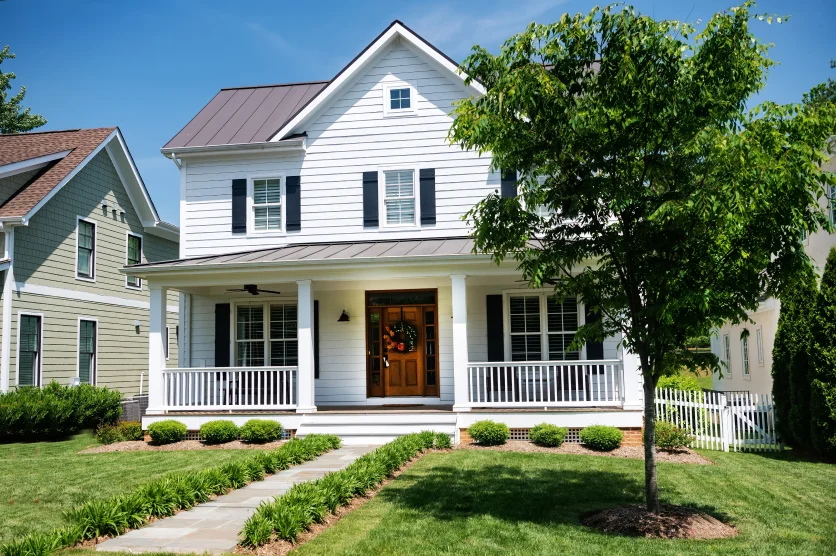
Across Virginia, housing styles shift dramatically from Atlantic shoreline communities to mountain towns in the Blue Ridge and expanding suburban corridors outside Washington, D.C. A waterfront property in Virginia Beach carries different rebuilding considerations than a historic brick home in Richmond or a hillside residence near Roanoke. Many properties include finished basements, detached garages, or older construction materials that influence replacement cost calculations. Because these structural differences vary widely by county, homeowners insurance in Virginia often reflects regional building characteristics rather than a single statewide average.
Weather patterns add another layer of decision-making. Atlantic storm systems, inland thunderstorms, winter ice events, and localized river flooding can each influence deductibles and endorsement needs. Northern and mountain counties may experience heavier snowfall, while coastal areas evaluate wind exposure and drainage concerns. Comparing Virginia homeowners insurance quotes allows residents to align coverage with both geography and property design instead of relying solely on general pricing trends.
How Much Does Homeowners Insurance Cost in Virginia?
The average cost of home insurance in Virginia is approximately $1,480 per year, or about $123 per month for $300,000 in dwelling coverage. Insurance pricing often reflects construction material costs, regional labor rates, and recent claim activity more than statewide averages alone.
Coastal ZIP codes or homes with older architectural materials may experience higher premiums, while newer inland developments sometimes see more moderate pricing. Checking quotes from multiple insurers offers better visibility into regional rate differences and potential savings in Virginia.

Does Virginia Have the 80% Homeowners Insurance Rule?
Most insurance carriers operating in Virginia apply the 80% homeowners insurance rule as a common industry guideline rather than a state law. This principle typically requires homeowners to insure their dwelling for at least 80% of its estimated replacement cost to qualify for full reimbursement after a covered loss.
Replacement cost reflects the expense of rebuilding the home using comparable materials and labor rather than its resale value. Falling below this threshold can result in partial payouts even when damage is not total, which is why periodic coverage reviews are recommended after renovations or rising construction costs.
How to Find Home Insurance in Virginia
Finding property insurance in Virginia often involves comparing more than just premiums. Older homes, waterfront properties, and houses with detached structures may have fewer carrier options than newer suburban developments. Working with an agency that can compare home insurance quotes in Virginia allows homeowners to review deductible structures, rebuilding estimates, and endorsement availability across multiple insurers. Homeowners who encounter underwriting limitations may also explore the Virginia FAIR Plan, which offers last-resort coverage for qualifying properties.
Risk-reduction improvements can also influence eligibility and long-term pricing. Reinforced roofing materials, upgraded electrical systems, sump pumps, and improved drainage are common enhancements that support favorable underwriting decisions. These measures can also reduce the likelihood of costly claims while increasing property resilience.
How Do Home Insurance Deductibles Affect Rates in Virginia?
Choosing a deductible is less about selecting a number and more about deciding how much financial responsibility to retain versus transfer to the insurer. Higher deductibles generally lower annual premiums, while lower deductibles increase monthly costs but reduce out-of-pocket expenses after a claim.
Coastal counties may also apply separate wind or hurricane deductibles depending on carrier guidelines and storm exposure.
Compare Home Insurance Rates by Coverage Levels in Virginia
Dwelling coverage is based on estimated rebuilding cost rather than market value, and premiums typically rise as coverage limits increase. Homes with historic materials, detached structures, or specialized craftsmanship may carry higher restoration expenses. The table below reflects statewide averages rather than ZIP-specific quotes.
| Dwelling Coverage | Average Annual Insurance Cost |
|---|---|
| $150,000 | $720 |
| $250,000 | $1,020 |
| $300,000 | $1,480 |
| $400,000 | $1,850 |
| $500,000 | $2,290 |

Is Home Insurance Tax Deductible in Virginia?
Homeowners insurance is generally not tax deductible for primary residences because it is considered a personal living expense. Exceptions may apply if part of the home is used exclusively as a home office or if the property generates rental income. Federally declared disaster losses that are not fully reimbursed may also qualify under certain circumstances. Because tax regulations vary by filing status and property use, consulting a licensed tax advisor is recommended.
Bundling Home and Auto Insurance in Virginia
Many Virginia residents choose to bundle home and auto insurance to simplify policy management and potentially reduce overall insurance expenses. Multi-policy discounts can align billing cycles, centralize claims administration, and help maintain consistent liability limits across coverage lines. Bundling opportunities may also extend to umbrella or recreational vehicle policies depending on insurer offerings. InsureOne assists homeowners in comparing bundled options across multiple carriers to identify coverage solutions that balance value and protection.

What Factors Do Insurers Consider in Virginia?
Insurance pricing in the state reflects both structural and environmental variables that influence claim likelihood and repair costs. Because mountain, coastal, and suburban regions present different exposure profiles, pricing may vary even between neighboring communities.
Key considerations include:
- Proximity to coastline, rivers, or flood zones
- Roof age and building materials
- ZIP-code claim frequency and storm exposure
- Estimated rebuilding cost based on labor and materials
- Credit-based insurance score where permitted
- Presence of safety features such as alarms or water shut-off systems
What Are the Different Types of Home Insurance?
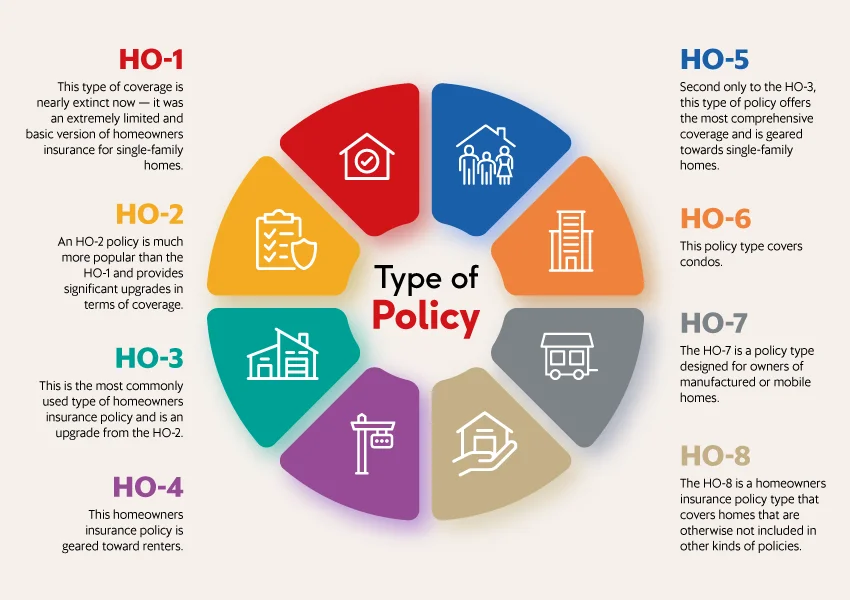
Home insurance policies are organized by standardized HO forms that correspond to ownership status and property type. The HO-3 policy remains the most common option for single-family homes because it provides broad structural coverage alongside defined personal property protection.
Property owners seeking expanded coverage may consider an HO-5 policy, while condominium owners typically rely on HO-6, renters use HO-4, and older or historically significant homes may require HO-8 valuation methods.
Residents frequently supplement base policies with endorsements that address regional conditions. Water-backup coverage, ordinance or law protection for code upgrades, and extended replacement cost endorsements are common additions, particularly for homes with basements or aging infrastructure. Reviewing both policy form and endorsements ensures alignment with property structure and local risk patterns.
What Is the Most Common Homeowners Insurance in Virginia?
The HO-3 policy continues to be the most widely selected homeowners insurance option because it balances comprehensive structural protection with flexible pricing. Coverage priorities may shift by region, with coastal homeowners focusing on wind or flood endorsements and inland properties emphasizing detached structure or basement coverage. Older homes sometimes evaluate HO-8 policies due to specialized restoration requirements.
What Weather Affects Home Insurance Costs in Virginia?
Seasonal weather patterns influence insurance premiums throughout the state. Coastal counties may experience hurricane-related winds and storm surge, while mountain regions often encounter heavier snowfall and ice accumulation. Spring thunderstorms and localized river flooding can also contribute to claim frequency in certain areas. Assessing these seasonal exposures allows property owners to decide if endorsements or standalone flood policies make sense.
What Does Homeowners Insurance Cover in Virginia?
Standard homeowners insurance policies provide layered protection that extends beyond the physical structure of the home. Coverage typically applies to structural damage from covered perils as well as personal belongings and financial liability related to on-property incidents. Policy limits and deductibles influence reimbursement levels, making periodic reviews important as rebuilding costs change. Flood damage remains excluded and requires a separate flood insurance policy.
Most policies commonly include:
- Dwelling coverage for the home’s structure and attached systems
- Personal property coverage for interior belongings
- Liability protection for certain injury or property damage claims
- Additional living expenses (ALE) during covered repairs
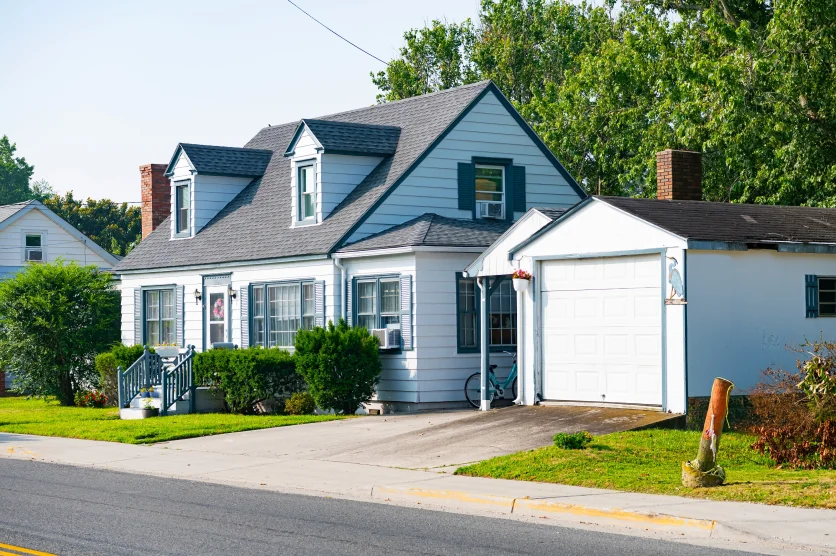
- Other structures coverage for detached garages or sheds
Get the Best Homeowners Insurance in Virginia Today
Finding the right homeowners insurance in Virginia often involves more than selecting a policy — it requires understanding how property style, weather exposure, and rebuilding costs interact. InsureOne supports this process by evaluating multiple carriers and presenting coverage options in a clear, organized format.
Homeowners can begin with a quick online quote, visit a nearby office, or speak with a licensed professional at 800-836-2240 for guidance tailored to their location. With InsureOne, Virginia residents gain structured insight that helps turn complex insurance decisions into manageable choices.
FAQs
How much is homeowners insurance in Virginia?
The average cost of homeowners insurance in Virginia is about $1,480 per year, though actual pricing varies by ZIP code, home age, and rebuilding expenses. Coastal properties or historic homes may experience higher premiums due to restoration complexity and storm exposure. Seasonal weather patterns also influence annual rates.
Is homeowners insurance required in Virginia?
Homeowners insurance is not mandated by state law for owner-occupied homes. However, mortgage lenders typically require a policy to protect their financial interest in the property. Even without a loan, many residents carry insurance because repair or rebuilding expenses after storms or fires can be substantial. Keeping an active Virginia home insurance policy helps safeguard both the property itself and potential liability claims.
What weather risks affect Virginia home insurance rates?
Insurance premiums are influenced by coastal storms, hurricane-related winds, winter snowfall in mountain regions, and localized flooding near rivers. Homes near the shoreline may require additional endorsements or separate flood coverage. Seasonal storm exposure contributes to underwriting decisions. Insurers assess these risks carefully when calculating home insurance rates in the area.
What factors influence the cost of homeowners insurance in Virginia?
Insurance companies base pricing on where a home is situated, what it is built from, the age and condition of the roof, and projected rebuilding expenses. They also consider deductible choices, past claim activity, and regional construction regulations. Nearby environmental risks — such as coastal exposure or flood-prone areas — can further adjust rate calculations. Using InsureOne allows these elements to be reviewed across multiple insurers at once.