


The Future of Car Insurance: How Technology Is Changing the Industry

Ashley Walrath is a results-driven content strategist and copywriter known for creating clear, engaging content that connects brands with their audiences while supporting measurabl...

Cyndi Wright is the senior copywriter and content manager at InsureOne. With a career that has spanned many facets of writing across a variety of platforms, Cyndi loves to create a...

Rose Carter is an accomplished content strategist and insurance marketing leader with a proven track record of creating impactful, results-driven content. With expertise in writing...

What if you could give one of your most important investments even better protection?
For many, an automobile is one of their most important investments because it helps them work, play, and everything in between. Accordingly, they purchase car insurance to protect their vehicle from the unexpected.
However, the future of the auto insurance industry is evolving rapidly, driven by emerging technology that is reshaping how insurers price policies, manage claims, protect privacy, and personalize coverage. From telematics data that tracks driving habits in real time to artificial intelligence (AI) that accelerates claims processing and detects fraud, technology is transforming every aspect of the customer experience. This means drivers can expect more tailored premiums, faster service, better fraud protection, and smarter risk assessment than ever before.
Do you want to know what today’s trends in auto insurance are telling us about the future of automobile coverage? Keep reading to discover all the answers.
A Glimpse into Auto Insurance’s Tech‑Driven Transformation
At first, you might think the future of car insurance cannot be all that different. After all, while there are more options (including electric and hybrid), the fundamentals of driving remain the same. Furthermore, the dangers on the road remain rather consistent, so what exactly is changing? Technology.
Technology has transformed nearly every aspect of car insurance, from purchasing policies to managing claims. Modern tech, such as artificial intelligence, big data, blockchain, and telematics, means that the carriers of today can offer more personalized solutions for drivers. By better understanding these emerging trends, it is possible to better chart the future of the auto insurance industry.
Turbocharging Claims Management with Technology
Have you had to file an insurance claim in recent years? If so, you may already know technology has been used to almost completely overhaul that process. Once upon a time, filing a claim was long and laborious because policyholders had to complete a lot of physical paperwork, mail it in, and then wait a long time for it to be processed. This often added insult to injury for those who had narrowly survived an accident and were still dealing with the trauma.
The claims process today is almost entirely online. After an accident, you simply file digital paperwork, upload any images, and instantly submit everything your carrier needs. This has greatly streamlined the claims process, and new advances in blockchain technology may make this process even smoother and more secure. That is because the blockchain can protect information while also creating data transparency, making claims processing quicker even as it reduces the chances of fraud.
Navigating New Policies in the Age of Automation
When it comes to technology and car insurance, claims are not the only area that has been seriously improved. In fact, most of that technology is already under your hood. Improvements in automobile tech have led to transformations in the insurance industry that should improve the lives of drivers everywhere.
This includes driver assistance technology, self‑driving cars, and even special telematics data that can be instantly transmitted from the vehicle to your carrier. As automation increases, insurers are also adapting to new risks and liability structures, and some car insurance policies now distinguish between human-driver liability and system failures. Each of these technological developments affects how your car is insured, and knowing how can help you maximize your own automobile protection.
Driver Assist Technologies and Insurance Premium Considerations
Many new vehicles come with advanced driver assistance systems, including adaptive cruise control, lane keeping, automatic emergency braking, and forward collision warning, which uses sensors and cameras to detect hazards. These systems monitor speed, lane position, and nearby objects to help drivers stay in control and protect passengers and pedestrians on the roads. These features can raise the cost of your vehicle in the short term but may pay off over time: they can reduce crashes and lower severity by addressing human error, yet insurance costs are also shaped by rising repair costs because this technology is expensive to fix, especially in EVs and models like Tesla. After all, carriers typically offer discounts to drivers who have special safety features (including anti‑theft devices) installed in the vehicle.
The Fine Print of Insuring Autonomous Vehicles
Autonomous vehicle technology is advancing, but full self-driving is still emerging over the next decade. But self-driving does exist as a limited feature, and the fact that even self‑driving cars cannot drive without insurance has created an ongoing debate over fault, responsibility, and who is responsible as control shifts from the human driver to vehicle systems, manufacturers, or software providers. It is estimated, based on analyses conducted by S&P Global Mobility, that by 2035 there will be nearly 87 million Level 2 vehicles on U.S. roads, along with 45 million Level 2+, 3.5 million Level 3, and 1.7 million Level 4 autonomous vehicles, with the majority expected to remain at Level 2 and Level 2+ automation.
Insurers are also adapting underwriting and pricing as the rise in autonomous features changes utilization and claims, including new policies that vary coverage depending on whether a car was in human-operated or autonomous mode at the time of an incident. Should liability shift entirely to the manufacturer, this might actually cause owners of self‑driving vehicles to pay less for coverage over time. California and Arizona are an example of early deployment and testing that will shape future pricing and claims models.
Development of Usage‑Based Insurance Policies with Telematics Data
Drivers who feel comfortable doing so can install devices in their cars that report back to the insurance company as part of Usage-Based Insurance, which is reshaping traditional underwriting. Carriers increasingly rely on driving data rather than static factors such as age and ZIP code when pricing these policies. The data reported back can help drivers qualify for things like safe driving discounts and even low‑mileage discounts (great for those who work from home). Keep in mind that it also reports things like speeding and running red lights, so reckless driving can result in your rate actually going up instead of down.
Powering Through with Performance Data
Obviously, insurance carriers receiving that telematics data are mostly interested in how someone is driving because this affects the cost of their premium. However, most drivers do not realize how thorough the data collection is, how insurers also use it in a market where climate-related losses are making risk assessment harder and pushing premiums higher in some areas, and how that uncertainty can further affect their policy.
Reliance on this tech has become one of the biggest trends in auto insurance, with premium growth expected to moderate to about 4% annually after earlier steeper increases. Knowing more about how this data collection affects your bottom line will help you know what to expect from the future of the auto insurance industry.
Harnessing Real‑Time Data for Customized Coverage
Traditionally, automobile premiums have been set reactively. That is, it is not until you get tickets or file claims that the carrier decides to increase your rate. Now, real‑time data can help a carrier customize your premium and even offer more customized coverage based on where and how you drive.
The Role of Big Data in Predictive Risk Assessment
The future of car insurance involves big data, a term that refers to the totality of information your carrier collects about your driving. Big data can help the carrier respond to accidents in real time, but it can also provide the carrier with plenty of detail about the risks you face on the road. In turn, their enhanced risk assessment can help you prevent future accidents and, worst case, have the coverage you need before filing a claim.
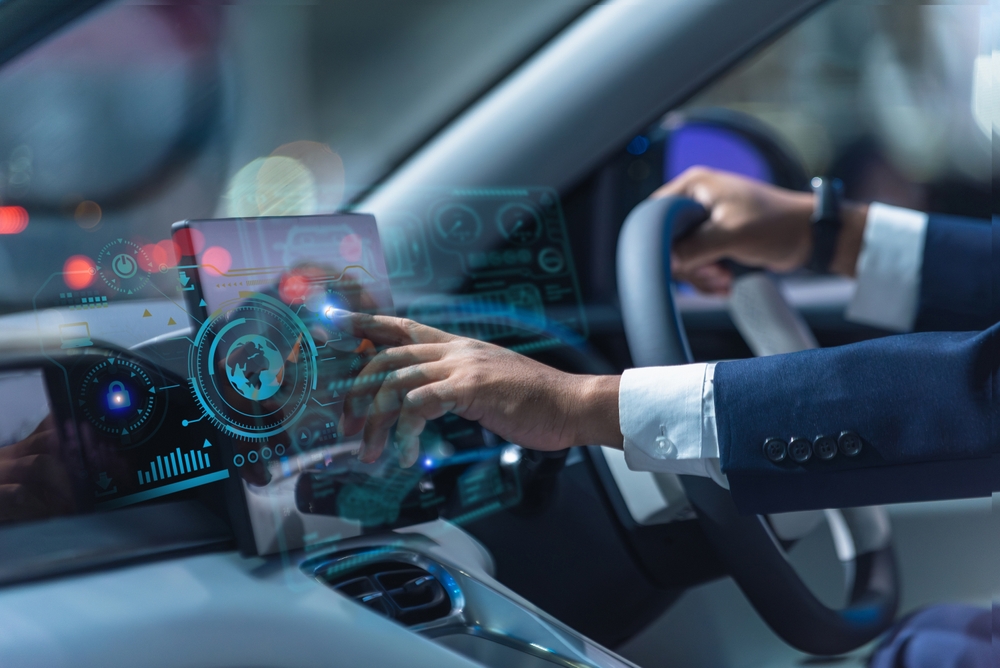
Artificial Intelligence and Automation: Revolutionizing Insurance Operations
Artificial intelligence (AI) is rapidly becoming a cornerstone of the auto insurance industry, powering everything from underwriting to claims processing. Insurers use AI algorithms to analyze vast amounts of data quickly, improving accuracy and efficiency.
For example, AI-driven underwriting tools evaluate driving behavior, vehicle data, and environmental conditions to tailor premiums with greater precision. Fraud detection systems leverage machine learning to identify suspicious claims patterns, reducing losses and keeping premiums fair. Customer service chatbots provide 24/7 support, answering common questions and guiding policyholders through processes without long wait times. In claims processing, AI can assess photos of vehicle damage, estimate repair costs, and even prioritize claims based on severity, speeding up settlements.
These practical applications of AI not only enhance operational efficiency but also improve the overall customer experience by offering faster, more transparent service.
Security and Privacy Considerations in the Age of Connected Cars
As cars become more connected and data-driven, security service measures become critical. Insurance companies and vehicle manufacturers invest heavily in cybersecurity tools to protect sensitive driving data and personal information. Ensuring secure access to telematics and vehicle data is essential to prevent unauthorized use or data breaches that could compromise privacy.
Moreover, insurers are transparent about how data is collected, stored, and used, often providing policyholders with control over what information is shared. This emphasis on security and privacy helps build trust as technology becomes more integrated into insurance services.
The Next Wave: Mobility Trends and Their Impact on Insurance
The future of car insurance also intersects with emerging mobility trends such as pooled rides and shared vehicle services. As pooled rides become more popular, insurance models must adapt to cover multiple passengers and complex liability scenarios. Additionally, parking technologies and access management tools are evolving, influencing how insurers assess risk related to vehicle storage and use.
The next wave of innovation includes integrating these mobility services into insurance products, offering coverage that reflects the changing ways people access and use vehicles in urban environments.
Accelerating Toward Personalization and Convenience
If you are not a very technologically sophisticated person, then all this talk about big data and AI may seem overwhelming. However, one thing you are guaranteed to notice is car insurance will only get easier and more personalized over time. Embedded insurance is expanding through partnerships between insurers and manufacturers, allowing buyers to purchase coverage at the point of sale for new vehicles. That is because all of this data carriers collect can help them offer a more personalized experience to everyone and even recommend important protections like LED headlights for nighttime driving. Such personalization is just one way that tech has made car insurance more convenient.
Revamping Customer Experience with Digital Engagement
Technology has allowed carriers to digitally engage consumers by offering targeted discounts, customized coverage options, and personalized risk mitigation plans. All of this adds up to safer driving and better savings over time.
Get Insured and Adapt with the Times
Now you know more about the future of car insurance. That includes understanding the technology innovating this field and how the innovations of today predict the conveniences of tomorrow. But do you know where to find the best auto coverage for your needs in the here and now?
Here at InsureOne, we combine cutting-edge technology with expert, personalized service to help drivers navigate evolving coverage needs. Our agents leverage the latest tools, including telematics and AI insights, to tailor insurance packages that protect what matters most to you. Whether you prefer to shop online, by phone, or in person, InsureOne is your modern insurance concierge guiding you through the next wave of car insurance innovation.
Ready to see how a combination of futuristic technology and great customer service leads to better car insurance? In that case, it is time to get a quote online. Alternatively, you can also pick up the phone and give us a quick call at 800-836-2240. Finally, never hesitate to visit us by finding an InsureOne office near you.
Ready to see how a combination of futuristic technology and great customer service leads to better car insurance? In that case, it is time to get a quote online. Alternatively, you can also pick up the phone and give us a quick call at 800‑836‑2240. Finally, never hesitate to visit us by finding an InsureOne office near you.
FAQs About the Future of Car Insurance and Technology
How is AI changing car insurance?
AI is transforming car insurance by enabling faster underwriting, improving fraud detection, automating claims processing, and enhancing customer service through chatbots and personalized recommendations. Additionally, AI helps insurers analyze vast amounts of telematics and vehicle data to more accurately predict risk and customize coverage options for individual drivers, leading to more competitive pricing and improved operational efficiency.
What is telematics insurance?
Telematics insurance uses devices or smartphone apps to collect real-time driving data such as speed, braking, and mileage, allowing insurers to price policies based on actual driving behavior rather than static factors. This new technology enables more dynamic and fair pricing models, rewarding safe drivers with discounts while encouraging responsible driving habits through continuous feedback. Telematics data also supports quicker claims handling by providing detailed information about incidents.
Will self-driving cars lower insurance costs?
Self-driving cars have the potential to lower insurance costs by reducing accidents caused by human error. However, higher repair costs for advanced technology and liability shifts to manufacturers may balance out savings initially. In states like California and Arizona, where autonomous vehicle testing is more advanced, insurers are already adapting policies to reflect these changes, which may eventually lead to a decline in premiums for owners of autonomous vehicles as the technology matures and becomes more widespread.
How do insurance companies use driving data?
Insurance companies use driving data to assess risk more accurately, offer personalized premiums, detect fraud, and encourage safer driving habits through discounts and feedback. This data is often collected via telematics devices or apps and can include location, speed, braking patterns, and time of day driven. By analyzing this information, insurers can better understand individual driver behavior, adjust pricing accordingly, and identify patterns that may indicate fraudulent claims or high-risk driving.
Is usage-based insurance worth it?
Usage-based insurance can be worthwhile for drivers who have safe driving habits or low mileage, as it often leads to lower premiums. However, reckless drivers might see increased rates based on their driving data. This type of insurance is becoming more popular as insurers incorporate new technology to offer customized policies. Customers in regions like California may find these programs especially beneficial due to the growing availability of telematics-based options displayed on insurer websites, providing more transparency and control over their coverage costs.
Here at InsureOne, we always have our fingers on the pulse because we want to give you better coverage than you ever thought possible. Ready to see how a combination of futuristic technology and great customer service leads to better and more affordable car insurance? In that case, it is time to get a quote online. Alternatively, you can also pick up the phone and give us a quick call at 800-836-2240. Finally, never hesitate to visit us by finding an InsureOne office near you.