


Car Insurance for Delivery Drivers: What You Need to Know

Andrea Perez is a bilingual content writer at InsureOne, where she creates strategic content for multiple brands within the insurance industry. With a background in journalism, edi...

Cyndi Wright is the senior copywriter and content manager at InsureOne. With a career that has spanned many facets of writing across a variety of platforms, Cyndi loves to create a...

Rose Carter is an accomplished content strategist and insurance marketing leader with a proven track record of creating impactful, results-driven content. With expertise in writing...
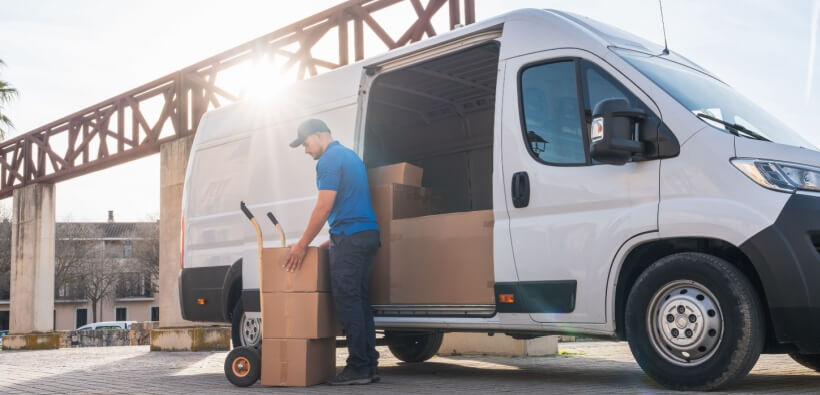
Using your personal vehicle to earn income through delivery apps has become part of everyday life for many drivers. From restaurant meals to groceries and packages, delivery services rely on people getting behind the wheel and making multiple trips each day.
What many drivers do not realize is that this type of work changes how insurance applies. Driving for delivery introduces higher risk, longer hours on the road, and greater exposure to accidents. Because of that, standard personal auto insurance often falls short. Understanding how commercial auto insurance works helps you protect your finances, your vehicle, and your ability to keep working.
Why Delivery Drivers Need Special Auto Insurance
Yes. Personal auto insurance is designed for everyday driving like commuting, errands, and leisure trips. Once you use your vehicle to earn money, insurers classify that activity as commercial use. Commercial use carries more risk because delivery drivers spend more time driving, navigate unfamiliar routes, and often work under time pressure.
Because of this increased exposure, most personal auto insurance policies exclude delivery activities. If you get into an accident while delivering food or packages, your insurer can deny the claim if the policy does not include business use coverage.
This means damage to your vehicle, injuries to others, and even legal costs could come directly out of your pocket. Special delivery or commercial auto insurance fills that gap by covering risks that personal policies are not built to handle.
For many drivers, delivery work starts as a side hustle. A few hours after work, a couple of weekend shifts, or an extra source of income during busy seasons. At first, it feels similar to regular driving, just with more stops and tighter timelines. Over time, though, the risks quietly add up.
Delivery drivers spend more time on the road than the average commuter. They drive during peak traffic hours, navigate unfamiliar neighborhoods, and often park in busy or poorly marked areas. The pressure to complete deliveries quickly can also increase the likelihood of minor accidents, even for careful drivers.
Insurance companies account for this added exposure. From their perspective, delivery driving increases accident frequency and claim costs. That is why personal auto insurance policies draw a clear line between personal use and business use. Crossing that line without the right coverage can leave drivers financially exposed at the worst possible moment.
Having proper delivery driver insurance is not just about compliance. It is about protecting your income, your vehicle, and your long-term ability to keep working. When your car is part of how you earn money, it’s important to understand how to determine the right amount of car insurance coverage for you. The right coverage gives you the freedom to focus on deliveries instead of worrying about what could go wrong.
What Are the Insurance Options Available?
Delivery drivers typically have several coverage paths depending on how often they work and which platforms they use.
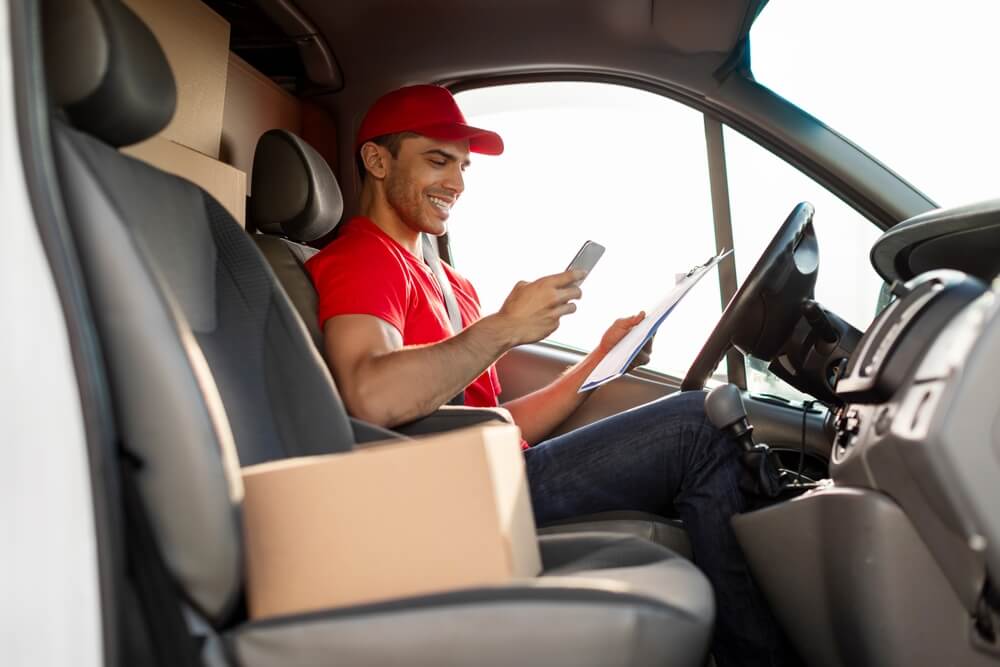
Commercial Auto Insurance
Commercial auto insurance offers the most complete protection. If you’ve ever wondered what does commercial auto insurance cover and why do you need it, you must know that it is designed for vehicles used primarily for work and covers liability, physical damage, and sometimes hired or non-owned vehicle exposure. While premiums are higher than personal policies, this option provides consistent protection regardless of which delivery app you use.
Commercial coverage is often ideal for full-time drivers or those working across multiple platforms.
Customized Delivery Driver Coverage
Some insurers offer add on endorsements or hybrid policies specifically for delivery drivers. These policies extend personal auto insurance to cover food and package delivery. Coverage details vary, so it is important to review what driving periods are included.
This option works well for part-time drivers who deliver occasionally.
Coverage Through Your Employer
Some large employers or restaurant chains offer non-owned vehicle liability coverage. This coverage protects the business, not necessarily the driver or the driver’s vehicle. It may help with liability claims but usually does not cover damage to your own car.
Drivers should always confirm what is included and what is excluded before relying on employer provided coverage.
App Based Delivery Coverage in 2025
Delivery apps offer different levels of insurance protection. Coverage often applies only during specific stages of the delivery process.
DoorDash
DoorDash provides liability coverage while you are actively delivering an order. This coverage applies after you accept a delivery and continues until the order is completed. DoorDash does not provide collision or comprehensive coverage for your vehicle unless you already carry those coverages on your personal policy.
Uber Eats
Uber Eats offers liability coverage during active deliveries. It also provides contingent comprehensive and collision coverage if your personal auto policy includes those coverages. A deductible typically applies.
Grubhub
Grubhub does not provide auto insurance coverage for drivers. Drivers are expected to carry their own insurance that allows delivery use. Without proper coverage, accidents may not be insured.
Instacart and Shipt
These platforms generally require drivers to maintain personal auto insurance. Some offer limited occupational accident coverage, which is not the same as auto insurance and does not cover vehicle damage or liability to others.
Amazon Flex
Amazon Flex provides commercial auto liability coverage during active deliveries. Physical damage to your vehicle may not be covered unless you carry appropriate coverage on your own policy.
Because app coverage varies and often has gaps, relying solely on platform insurance can leave drivers exposed. You can also do a little research on the best delivery driver apps and find the right insurance for your needs.
How Delivery Insurance Differs from Personal Auto Insurance
Personal auto insurance and delivery or commercial coverage serve very different purposes. A personal policy assumes limited daily driving and lower exposure. Delivery insurance is built for higher mileage, frequent stops, and increased liability risk.
When you are delivering, your insurer needs to account for injuries to others, damage to property, and potential damage to your own vehicle. Delivery coverage is designed to respond to these risks, while personal insurance usually will not.
| Scenario | Personal Insurance | Delivery/Commercial Insurance |
| Hit someone while delivering | ❌ Claim denied | ✅ Covered |
| Damage your own vehicle | ❌ Not covered | ✅ Usually covered |
| Liability for injuries | ❌ Not covered | ✅ Covered |
| Driving between deliveries | ❌ Not covered | ❌/✅ depends on app coverage |
Understanding this difference is critical. Many drivers only learn about coverage gaps after a claim is denied. Knowing how these policies differ helps you avoid costly surprises.
What Happens If You Drive for Delivery Without the Right Insurance?
Driving without proper coverage creates serious financial and legal risks.
If you are involved in an accident, your insurer may deny the claim completely. You could be personally responsible for medical bills, property damage, legal defense, and vehicle repairs. Some insurers may cancel your policy once they discover undisclosed delivery activity.
Paying out of pocket for a serious accident can jeopardize your savings and your ability to continue working. Having the right insurance protects you from these consequences and allows you to focus on your job with confidence.
Find the Right Delivery Driver Insurance With InsureOne
Choosing the right coverage depends on how often you deliver, which apps you use, and how much protection you need. InsureOne works with multiple carriers to help delivery drivers find policies that match their work and budget.
Visit our website, call us at 800-836-2240, or stop by an office close to you so our agents can explain your options clearly and help you avoid coverage gaps.
FAQs
Does App Based Coverage Protect Me When I’m Not Actively Delivering?
In most cases, no. Coverage usually applies only after you accept an order and ends once the delivery is completed. Driving between orders is often not covered.
Will My Insurance Rates Go Up If I Start Delivering?
Rates may increase because delivery driving increases risk. However, having the correct coverage prevents denied claims and larger financial losses later.
Do I Need Rideshare Insurance If I Only Deliver and Don’t Drive Passengers?
Some insurers offer delivery specific endorsements instead of rideshare coverage. An agent can help determine what applies to your situation.
Does Commercial Auto Insurance Cover Multiple Delivery Apps?
Yes. Commercial auto insurance typically covers your vehicle for business use regardless of which delivery platforms you work with.