


What to Do After a Tornado

Ashley Walrath is a results-driven content strategist and copywriter known for creating clear, engaging content that connects brands with their audiences while supporting measurabl...
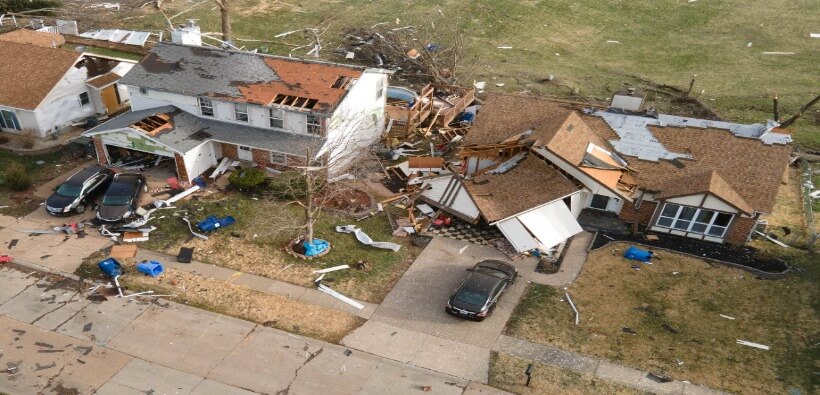
Tornadoes can strike suddenly and cause serious damage, leaving behind a dangerous mess. While you can’t control the storm, knowing what to do afterward—and being prepared ahead of time—can help you stay safe, protect your property, and bounce back more quickly.
Whether you live in a tornado-prone area or face an unexpected storm, being ready and acting fast after the tornado is crucial.
Right after the tornado passes, check yourself and others for injuries and offer first aid if needed. Stay away from downed power lines and report them. Avoid damaged buildings, large open spaces, and vehicles—they might not be stable. Never take shelter under bridges, as they can make wind hazards worse.
If you’re outside with no shelter, find low ground, lie flat facing down, and stay clear of trees and cars to avoid flying debris. If you need to drive away, avoid traffic jams to get out safely.
Document all damage with photos and videos to help with insurance claims. Contact your insurance company quickly to report the damage and understand your coverage, including homeowners and auto insurance. Comprehensive auto coverage often protects your vehicle from tornado damage.
Secure your home by boarding up broken windows or covering roof openings to prevent further damage. Keep receipts for emergency repairs, but wait on permanent fixes until your insurer gives the okay.
Recovering from a tornado can be overwhelming—don’t hesitate to seek emotional support. Review your homeowners insurance to make sure it covers your belongings and liability. Loss of use coverage might help with temporary housing if your home is unlivable.
To better protect your home from future storms, consider upgrades like safe rooms, reinforced doors and windows, or stronger roofing. Talk with your insurance agent about coverage options to keep your home and belongings safe.
What Are the Effects After a Tornado?
Tornado effects range from minor damage to total destruction. Winds over 300 mph can tear homes apart, uproot trees, and turn objects into dangerous flying debris. These debris pose serious threats, especially to vehicles and those outdoors. Your home is both a shelter and asset; property damage coverage protects it from risks like fire, wind, and theft.
Post-tornado, expect structural damage, downed power lines, and utility outages. Be cautious of weakened floors that may not support heavy items like pianos or refrigerators above, which could fall and cause injury. Large open rooms, such as gyms or auditoriums, also pose risks. Avoid shelters like bridges, which offer little protection and can increase wind hazards. Injuries, flooding, contaminated water, and emotional stress are common. Personal property coverage helps protect belongings like furniture and electronics damaged or stolen during a tornado.
Understanding these risks is an important step toward staying safe. Taking time to be prepared for a tornado, especially during tornado season, can help reduce potential damage and protect your home and family. For additional guidance, check out these 5 tips to prepare for a tornado to help you plan ahead and stay ready before severe weather strikes.
Immediate Safety Steps After a Tornado
If another tornado warning is issued, immediately seek shelter in a sturdy building or an interior hallway with no windows.
Once the tornado has passed, your top priority is safety. Follow these steps right away:
- Avoid downed power lines and report them to authorities to prevent electrocution.
- Stay away from damaged buildings, large open rooms, and cars, as they may be unstable or pose additional risks. Do not seek shelter under bridges, as they offer little protection and can increase wind speed and flying debris danger.
- If you are caught in the open outdoors with no shelter, move to low ground, lie flat, and face down, away from trees and cars, to protect yourself from flying debris.
- If you must evacuate by vehicle, avoid congested traffic lanes to ensure you can move away from the storm quickly and safely.
Check for Injuries
Check yourself and others for injuries and call emergency services if needed. Avoid moving seriously injured individuals unless they are in immediate danger.
Stay Alert to Hazards
Be cautious of your surroundings and avoid dangerous areas.
- Stay away from downed power lines
- Watch for broken glass and sharp debris
- Be aware of unstable structures
Watch for Gas Leaks and Fire Risks
If you smell gas or hear a hissing sound, leave the area immediately. Avoid using open flames or electrical switches and shut off the gas if it’s safe to do so.
Preserve Communication
Use your phone only for emergencies and conserve battery power when possible. Let family members know you are safe as soon as you can.
Stay Informed
Listen to local news or NOAA Weather Radio for updates, as additional storms or tornadoes may follow.
Assessing Property Damage Safely
Before entering your home, take time to evaluate whether it is safe.
Safety First
Do not enter heavily damaged buildings until authorities confirm it is safe. Wear protective clothing such as gloves, boots, and long sleeves to reduce injury risk.
Look for Hidden Dangers
There may be hazards that aren’t immediately visible.
- Exposed electrical wiring or sparks
- Water damage weakening structures
- Contaminated water from flooding
Secure Your Property
If it’s safe, take steps to prevent further damage. Cover broken windows or roof openings and keep children and pets away from hazardous areas.
Filing an Insurance Claim After a Tornado
Starting your insurance claim promptly can greatly accelerate the recovery process. Begin by documenting all damage with clear photos and videos, capturing both structural issues and personal property losses.
Create a detailed inventory of damaged or lost items to support your claim. Contact your insurance company as soon as possible to report the damage, providing your documentation and inquiring about the next steps, timelines, and coverage specifics.
To prevent further damage, make necessary temporary repairs such as covering leaks or boarding up broken windows. Make sure to keep all receipts for these emergency repairs but avoid permanent fixes until you receive approval from your insurer to ensure your claim remains valid and fully covered.
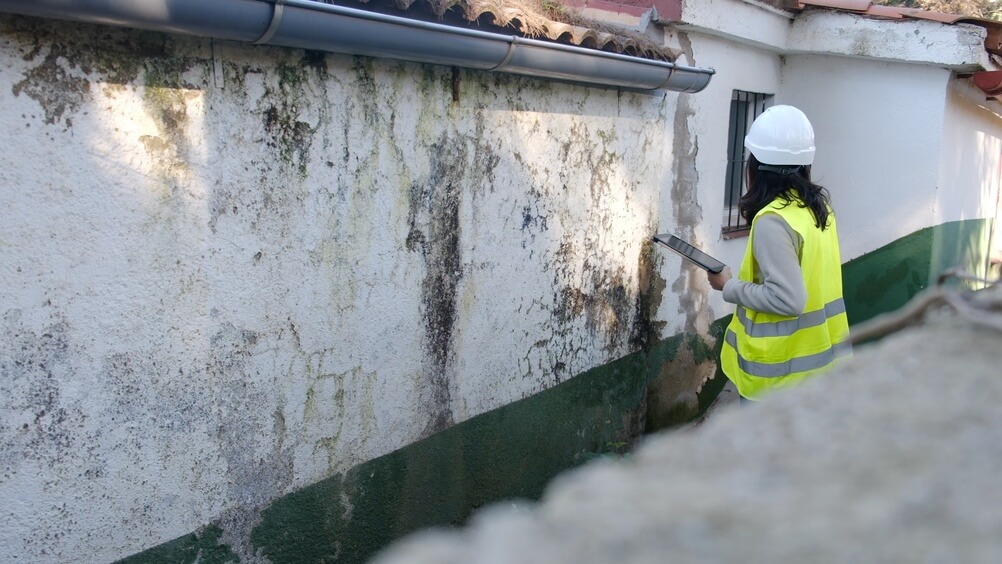
What Does Homeowners Insurance Cover After a Tornado?
Most homeowners insurance policies cover tornado damage, but coverage can vary. Homeowners insurance typically includes liability coverage, which helps protect you if you accidentally injure someone or damage their property, whether it happens at home or elsewhere.
Typically, policies cover structural damage to your home, personal belongings, and detached structures like garages or sheds. Homeowners insurance can help cover the costs of repairs and replacements after a tornado. If a covered loss makes your home uninhabitable, your policy may also reimburse you for additional living expenses, such as hotel stays or meals.
It’s important to review your insurance policy and discuss your coverage options with your agent to fully understand your specific insurance coverage.
Learn more about what homeowners insurance covers and how it protects your home from tornado damage.
Important Considerations
- Coverage limits apply
- Deductibles must be met
- Flood damage is usually not covered without separate flood insurance
Always review your policy or speak with your agent to understand your specific coverage.
Temporary Housing and Recovery
If your home is not safe to live in, you may need temporary housing while repairs are made.
You may be able to stay with family or friends, book a hotel, or use short-term rental options. Many insurance policies include “loss of use” coverage, which helps pay for these expenses.
Recovery after a tornado can take time, and it’s normal to feel overwhelmed. Emotional effects like stress or anxiety may appear later, so don’t hesitate to seek support if needed.
During recovery, consider ways to maximize your savings on insurance. Bundling your insurance can lead to significant savings on your premiums.
Long-Term Recovery and Prevention
Once immediate needs are handled, consider steps to better protect your home in the future and be prepared for a tornado moving forward, especially during tornado season,
Review your homeowners insurance policy to ensure it covers tornado damage and provides adequate protection for your property and belongings. Make improvements to your home, such as reinforcing your roof, installing storm shutters, or securing outdoor items, to minimize future risks. Create or update your emergency plan and keep important documents in a safe, accessible place.
With the right homeowners insurance, you can enjoy peace of mind knowing your home is protected against future tornadoes.
Ways to Strengthen Your Home
- Install a safe room or storm shelter
- Upgrade to impact-resistant roofing
- Reinforce doors and windows
You may also want to review and update your homeowners insurance to ensure you have adequate coverage.
Get a Home Insurance Quote Today
Secure your home with affordable coverage from InsureOne, designed to protect you from tornado damage and other unexpected events. Our homeowners insurance policies offer reliable protection for your property and belongings.
Get a fast, free quote online, call us at 800-836-2240, or visit a nearby agent to discuss your options. We’ll help you find the right home insurance policy to fit your needs.
With InsureOne, you benefit from local agents who understand several factors affecting your coverage. Trust us to help you insure your home and vehicle with confidence and affordable coverage—no matter the weather.
Frequently Asked Questions About Tornado Aftermath
What should you do immediately after a tornado?
After a tornado, check for injuries, avoid hazards like downed power lines, and stay informed through local alerts. Contact emergency services if needed and avoid entering damaged buildings until they are safe. Prioritize safety before assessing damage.
Does homeowners insurance cover tornado damage?
Yes, most policies cover tornado damage, including structural damage and personal belongings. Personal property coverage protects belongings that are damaged or stolen, such as furniture and electronics. Liability coverage is also typically included in homeowners insurance, helping protect against legal claims and property damage. Coverage limits and deductibles apply, and flood-related damage may require separate insurance.
Is it safe to enter your home after a tornado?
Only enter your home once authorities or qualified professionals have confirmed it is safe. Check carefully for structural damage, gas leaks, electrical hazards, or plumbing water damage before going inside to avoid injury or further damage.
How do you document tornado damage for insurance claims?
Thoroughly document all damage by taking clear photos and videos of your property and belongings. Create a detailed inventory of losses, including descriptions and approximate values. Keep all receipts for emergency repairs and provide this documentation to your insurer promptly to support your claim.
What are common hazards after a tornado?
Common hazards include debris, broken glass, exposed wiring, gas leaks, plumbing water damage, and unstable structures. Be cautious of downed power lines and avoid entering unsafe buildings. Always wear protective clothing such as sturdy shoes and gloves to reduce injury risks during cleanup and assessment.