


Pennsylvania Homeowners Insurance Quotes
Everything You Need to Know about Home Insurance in Pennsylvania
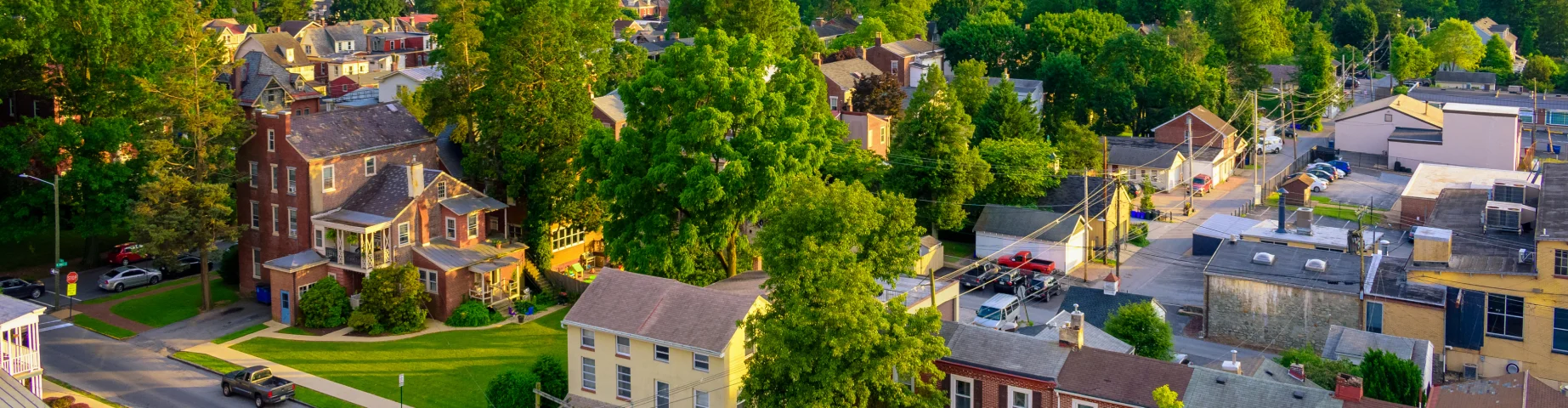
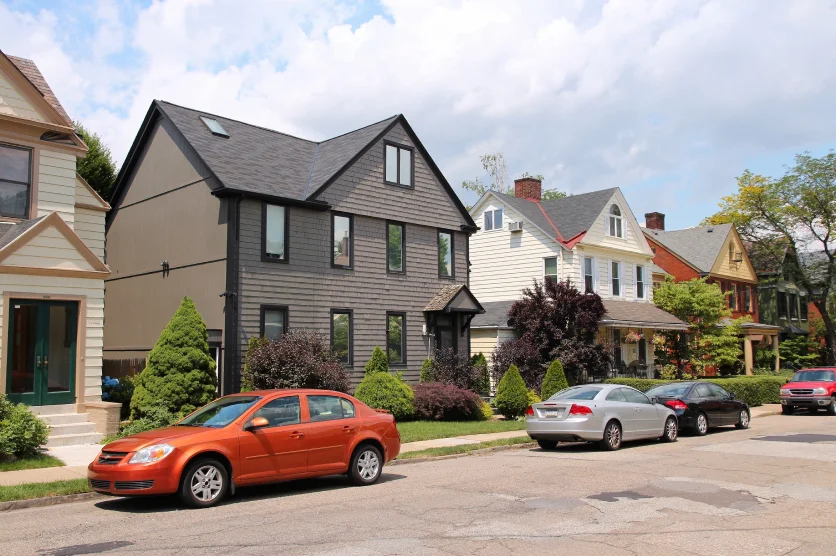
Pennsylvania offers a diverse mix of housing and lifestyles, from large metropolitan cities to rural farmland and mountain communities. Major regions such as Philadelphia, Pittsburgh, the Pocono Mountains, and the Susquehanna River Valley attract homeowners who value both economic opportunity and access to outdoor recreation. The state features a wide range of property styles, including historic brick rowhomes, Victorian houses, modern suburban developments, townhomes, and countryside residences with detached structures. This housing diversity means replacement costs, maintenance needs, and insurance considerations can vary significantly from one ZIP code to another.
The regions four-season climate also introduces weather-related risks that influence homeowners insurance in Pennsylvania. Winter storms, snow accumulation, hail, and wind damage can increase repair expenses, while localized flooding and heavy rainfall affect certain river-adjacent and low-lying areas. Older homes may require specialized restoration or ordinance coverage due to evolving building codes. Because these regional and structural factors differ across the state, comparing Pennsylvania homeowners insurance quotes helps ensure coverage aligns with both property characteristics and long-term financial protection goals.
How Much Does Homeowners Insurance Cost in Pennsylvania?
The average cost of home insurance in Pennsylvania is approximately $1,300 per year, or about $108 per month for $300,000 in dwelling coverage. While this remains below the national average, premiums have gradually increased due to inflation, higher construction material costs, and more frequent weather-related claims.
Rates vary by ZIP code because insurers evaluate rebuilding expenses, local storm patterns, and access to fire protection services when calculating pricing. Comparing home insurance options and Pennsylvania homeowners insurance quotes helps ensure premiums reflect both location and property characteristics.

Does Pennsylvania Have the 80% Homeowners Insurance Rule?
Yes, most insurers apply the 80% homeowners insurance rule, which requires dwelling coverage equal to at least 80% of a home’s estimated replacement cost to qualify for full reimbursement after a covered loss.
Replacement cost reflects rebuilding expenses rather than market value and can shift as labor and material prices change. Falling below this threshold may result in reduced claim payouts, even for partial damage. Reviewing dwelling coverage in Pennsylvania annually helps maintain adequate protection as construction costs evolve.
How to Find Home Insurance in Pennsylvania
Many homeowners can obtain property insurance coverage through standard carriers, but older homes or prior claims may limit options. Working with an agency that can compare home insurance quotes in Pennsylvania often improves both availability and pricing outcomes.
Some property owners may also consider the Pennsylvania FAIR Plan if traditional coverage is unavailable. Risk-reduction improvements such as installing sump pumps, upgrading roofing materials, reinforcing gutters, or adding water-backup protection can strengthen eligibility and support more competitive premiums.
How Do Home Insurance Deductibles Affect Rates in Pennsylvania?
A deductible is the portion of a claim paid out of pocket before insurance coverage begins, and it directly affects premium costs. Higher deductibles generally lower monthly payments, while lower deductibles increase premiums but reduce financial responsibility after covered damage.
Some policies may include separate wind or hail deductibles depending on regional storm exposure and insurer guidelines. Selecting the right deductible involves balancing premium savings with the ability to manage unexpected repair expenses.
Compare Home Insurance Rates by Coverage Levels in Pennsylvania
Dwelling coverage is based on estimated rebuilding cost, and premiums typically rise as coverage limits increase. Pennsylvania homeowners may see variation due to home age, construction materials, and localized risks such as flooding or winter damage.
The table below reflects statewide averages and should be used as general guidance rather than exact pricing for every ZIP code. Comparing multiple homeowners insurance quotes provides a clearer picture of how coverage levels affect overall cost.
| Dwelling Coverage | Average Annual Insurance Cost |
|---|---|
| $150,000 | $760 |
| $250,000 | $1,040 |
| $300,000 | $1,300 |
| $400,000 | $1,620 |
| $500,000 | $1,980 |

Is Home Insurance Tax Deductible in Pennsylvania?
For most primary residences, homeowners insurance is not tax deductible because it is considered a personal living expense rather than a business cost. However, limited exceptions may apply depending on how the property is used and the homeowner’s individual tax situation. For example, if a portion of the home is used exclusively and regularly as a dedicated home office, a percentage of certain housing-related expenses — including insurance — may qualify under federal tax rules. Similarly, properties that are rented to tenants or used as income-producing investments may treat insurance premiums differently for tax purposes.
In rare situations, unreimbursed casualty losses resulting from federally declared disasters may also qualify for deductions, though strict documentation and eligibility requirements typically apply. Tax regulations can change from year to year and may vary based on income level, filing status, and property classification. Because these guidelines are complex and highly individualized, homeowners are generally advised to consult a licensed tax professional or accountant before making deduction decisions related to homeowners insurance.
Bundling Home and Auto Insurance in Pennsylvania
Bundling home and auto insurance allows residents to place multiple policies with the same carrier to simplify coverage management. Many insurers offer multi-policy discounts that can reduce overall insurance costs while aligning billing cycles and renewal dates.
Bundling may also help maintain consistent liability limits and reduce administrative complexity across policies. InsureOne helps homeowners review bundled policy options while still giving them the flexibility to compare multiple quotes and find balanced coverage.

What Factors Do Insurers Consider in Pennsylvania?
Insurance providers evaluate several variables when determining home insurance rates in Pennsylvania, starting with the property’s basic characteristics and location. Elements such as the home’s age, construction materials, roof condition, and overall size help insurers estimate potential repair or rebuilding costs.
Proximity to fire hydrants and local fire stations can also influence pricing because faster response times may reduce the severity of damage. Regional weather exposure — including winter storms, wind, and localized flooding — is another important consideration when calculating premiums.
Beyond the structure itself, insurers also review risk indicators tied to both the homeowner and the surrounding area. These details help carriers assess the likelihood of future claims and determine eligibility. Common considerations include:
- ZIP code and neighborhood risk levels, including prior claim frequency
- Claims history connected to the homeowner or property
- Estimated rebuilding cost based on labor and material pricing
- Credit-based insurance score, where permitted by state regulations
- Safety features, such as alarm systems, smoke detectors, or water shut-off devices
- Local building codes and restoration requirements, especially for older homes
Because these factors can vary widely, two similar homes may receive very different quotes. Comparing multiple homeowners insurance quotes allows homeowners to see how insurers weigh these variables and select coverage that aligns with their property and regional risk exposure.
What Are the Different Types of Home Insurance?
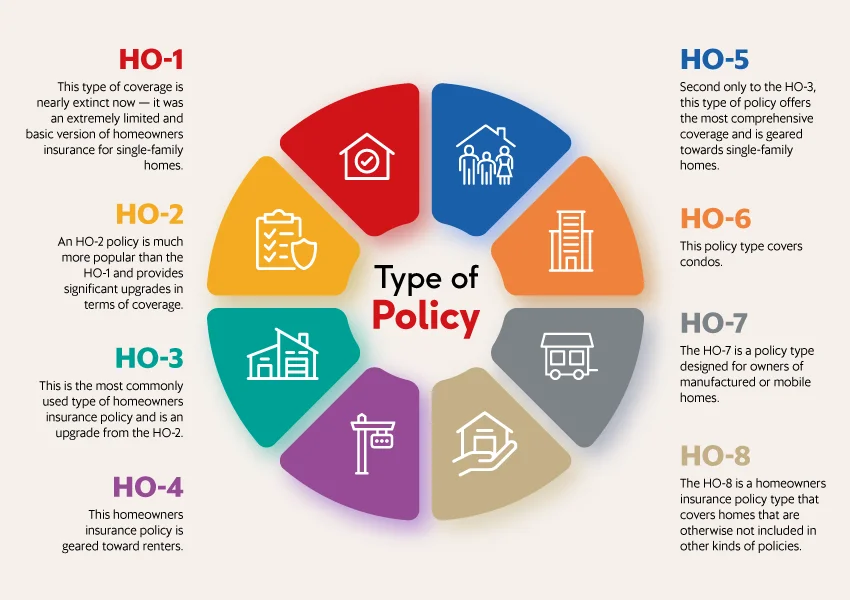
Home insurance policies are commonly organized by standardized HO policy forms, which are designed to match different ownership situations and property types. The HO-3 policy is the most widely used option for single-family homes because it typically provides broad protection for the structure along with defined coverage for personal belongings. Homeowners who want more comprehensive protection may consider an HO-5 policy, which expands coverage for both the dwelling and personal property. Other common forms include HO-6 for condominium owners, HO-4 for renters, and HO-8 for older or historic homes that may require specialized replacement cost calculations.
Beyond the base policy form, many Pennsylvania homeowners also add endorsements to better address regional risks and property features. Popular additions include water-backup coverage, extended replacement cost, and ordinance or law coverage for homes that may need code upgrades after a covered loss. Homes in areas with heavier winter weather may also evaluate roof or frozen-pipe related protections. Selecting the right policy type and endorsements helps ensure coverage aligns with both the structure of the home and the environmental conditions common in Pennsylvania.
What Is the Most Common Homeowners Insurance in Pennsylvania?
The HO-3 policy remains the most common homeowners insurance choice due to its balance of comprehensive structure coverage and practical pricing. However, coverage needs vary based on region, property age, and weather exposure across the state.
Urban homes may prioritize water-backup endorsements, while rural properties often require additional protection for detached structures such as garages or sheds. Reviewing and comparing insurance quotes helps ensure policies match both home type and local conditions.
What Weather Affects Home Insurance Costs in Pennsylvania?
Premiums are influenced by seasonal weather patterns that increase claim frequency and repair expenses. Winter storms, snow accumulation, and freezing temperatures can lead to roof damage, ice dams, and burst pipes. Severe thunderstorms and hail may also contribute to siding, window, and exterior damage during warmer months. Flooding near rivers and low-lying areas remains a significant concern and typically requires separate flood insurance coverage.
What Does Homeowners Insurance Cover in Pennsylvania?
Standard homeowners insurance policies in Pennsylvania are designed to protect both the physical structure of the home and the homeowner’s financial liability after certain covered events. Coverage typically extends to damage caused by risks such as fire, wind, hail, and some types of water damage, depending on the policy form selected.
In addition to structural protection, policies often include coverage for personal belongings and legal liability if someone is injured on the property. Reviewing limits, deductibles, and optional endorsements helps ensure home insurance coverage aligns with the home’s value and regional risk exposure.
Most policies commonly include the following core protections:
- Dwelling coverage for the home’s structure, including walls, roof, and attached systems
- Personal property coverage for furniture, clothing, and electronics inside the home
- Liability protection for certain injury or property damage claims involving visitors
- Additional living expenses (ALE) if temporary housing is needed after a covered loss
- Other structures coverage for detached garages, sheds, or fences
Flood damage is excluded from standard homeowners insurance policies and requires a separate flood insurance policy. Many property owners also add endorsements such as water-backup coverage, extended replacement cost, or ordinance or law protection to address older homes and evolving building codes.
Get the Best Homeowners Insurance in Pennsylvania Today
Protecting your home begins with coverage that reflects local risks, rebuilding costs, and long-term financial goals. InsureOne simplifies the process by comparing multiple insurance carriers to present clear policy options and flexible deductibles tailored to Pennsylvania homeowners.
Homeowners can start with a quick online quote, visit a nearby office for personalized assistance, or call 800-836-2240 to speak with a licensed professional. With InsureOne, policyholders gain knowledgeable guidance and confidence that their coverage aligns with Pennsylvania’s diverse housing and seasonal weather conditions.
FAQs
How much is homeowners insurance in Pennsylvania?
The average cost of homeowners insurance in the state is approximately $1,300 per year, or about $108 per month for $300,000 in dwelling coverage. Actual pricing varies based on ZIP code, property age, square footage, roof condition, and local rebuilding costs.
Homes located near rivers or areas with higher winter storm exposure may experience different premiums than statewide averages.
Is homeowners insurance required in Pennsylvania?
Homeowners insurance is not legally required by the state for owner-occupied homes. However, most mortgage lenders require borrowers to maintain a homeowners policy as a condition of the loan agreement.
Even without a mortgage, many property owners choose coverage because repair or rebuilding expenses after severe storms or fire losses can be substantial. Carrying home insurance in Pennsylvania provides financial protection and liability coverage that can prevent unexpected out-of-pocket costs.
What weather risks affect Pennsylvania home insurance rates?
Residents’ insurance rates are influenced by seasonal weather patterns that increase claim frequency and repair expenses. Winter storms, snow accumulation, and freezing temperatures can lead to roof damage and burst pipes, while spring and summer storms may bring wind and hail losses.
Flooding near rivers and low-lying areas is another major consideration, and flood damage requires a separate policy since it is not included in standard coverage. Insurers evaluate these regional risks carefully when calculating home insurance rates in the region.
What factors influence the cost of homeowners insurance in Pennsylvania?
Insurance providers consider multiple elements when determining home insurance premiums, including the home’s location, age, building materials, and estimated replacement cost. Additional factors include roof condition, proximity to fire hydrants or fire stations, prior claim history, and deductible selection.
Regional risk exposure such as flooding potential, winter storm frequency, and local building code requirements can also affect pricing. Reviewing coverage options through InsureOne helps ensure these variables are evaluated across multiple carriers for balanced protection.