


Choosing the Right Car Seat for Your Child

Mónica Alarcón is a Senior Content Writer at InsureOne, where she strengthens editorial quality and ensures that content is accurate, compliant, clear, and consumer-focused. Her ro...

Rose Carter is an accomplished content strategist and insurance marketing leader with a proven track record of creating impactful, results-driven content. With expertise in writing...

Cyndi Wright is the senior copywriter and content manager at InsureOne. With a career that has spanned many facets of writing across a variety of platforms, Cyndi loves to create a...

Keeping your child safe on the road starts long before you turn the key. One of the most important decisions parents make for family car safety is choosing the right car seat. With so many options available and constantly evolving car seat regulations, it’s no surprise that many parents feel overwhelmed.
The right car seat can dramatically reduce the risk of injury in a crash, but only when it is properly chosen, correctly installed, and appropriate for your child’s age, weight, and height. Understanding the different types of car seats, knowing how to avoid common mistakes, and staying compliant with car seat laws all play a critical role in protecting young passengers. It’s also important to recognize how insurance supports your family’s safety every time you’re on the road.
Along with choosing the right car seat, having dependable car insurance is another key part of protecting your family. InsureOne is committed to providing high-quality car insurance options that help give parents confidence and peace of mind whenever they’re behind the wheel.
Understanding Car Seat Types
Before you can focus on fit and installation, it’s essential to understand the main types of car seats available. Each is designed for a specific stage of your child’s development.
Infant Seats
Infant car seats are specifically designed for newborns and young babies. They are always installed rear-facing and typically come with a detachable carrier that clicks into a base secured in your vehicle.
The best car seat for infants offers strong head and neck support, a five-point harness, and clear installation indicators. Most infant seats accommodate babies from birth up to around 22–35 pounds, depending on the model. Rear-facing positioning is critical at this stage because it provides optimal protection for a baby’s developing spine and head in the event of a collision.
Convertible Seats
Convertible car seats are designed to “convert” as your child grows. They can be used rear-facing for infants and toddlers, then switched to forward-facing as your child meets height and weight requirements.
These seats are popular with parents who want a longer-term solution. Convertible seats often support higher weight and height limits, making them a strong option for toddler car seat safety. While they don’t have a detachable carrier like infant seats, they offer excellent longevity and safety when used correctly.
Booster Seats
Booster seats are intended for older children who have outgrown forward-facing car seats with harnesses but are not yet big enough to safely use a vehicle seatbelt alone. Boosters position the seatbelt so it fits correctly across the child’s chest and hips.
There are two main types: high-back boosters and backless boosters. Both are effective when used correctly, but high-back models offer additional head and neck support. Following proven booster seat tips ensures your child stays protected until they’re ready for an adult seatbelt.
Choosing the Right Seat by Age, Weight, and Height
While age provides a general guideline, weight and height are the most important factors when choosing a car seat. Always follow the manufacturer’s specifications for your specific seat.
Guidelines for Infants
Infants should always ride in a rear-facing car seat from birth. Most experts recommend keeping children rear-facing for as long as possible, even beyond the minimum requirements.
Rear-facing seats cradle the head, neck, and spine, reducing the risk of severe injury during sudden stops or crashes. Even when your baby looks “big enough,” it’s safest to follow the maximum rear-facing limits listed on your car seat.
Guidelines for Toddlers
Toddlers often transition from infant seats to convertible seats, but many parents make the mistake of switching to forward-facing too early. For optimal toddler car seat safety, children should remain rear-facing until they reach the maximum height or weight limit allowed by their convertible seat.
Once they do transition to forward-facing, they should use a seat with a five-point harness for as long as possible. Harnesses distribute crash forces across the strongest parts of the body, providing better protection than seatbelts alone.
Guidelines for Older Children
Older children typically move into booster seats once they outgrow forward-facing seats with harnesses. A child is usually ready for a booster when they exceed the harness limits but still cannot sit properly with a seatbelt alone.
Children should remain in a booster until the seatbelt fits correctly without it—typically when they are about 4 feet 9 inches tall and between 8 and 12 years old. Rushing this step can compromise car seat safety.
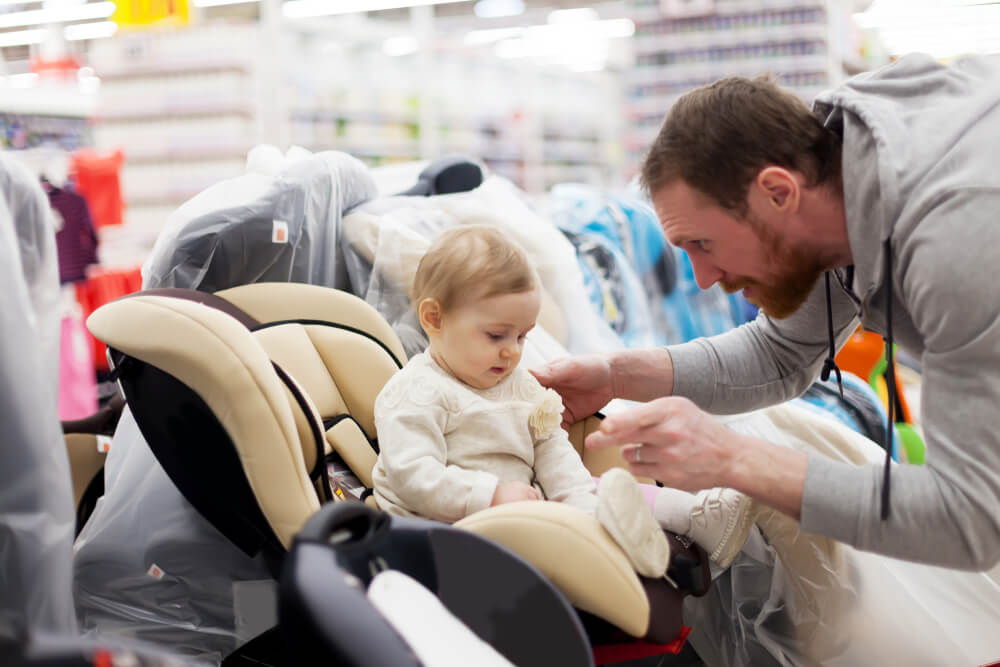
Proper Car Seat Installation Tips
Even the safest car seat won’t protect your child if it’s installed incorrectly. Studies consistently show that many car seats are improperly installed, increasing the risk of injury.
Using LATCH vs. Seatbelt
Most vehicles and car seats allow installation using either the LATCH system (Lower Anchors and Tethers for Children) or a seatbelt. Both methods are safe when used correctly, but you should never use both at the same time unless your car seat manufacturer explicitly allows it.
LATCH systems can simplify car seat installation, but seatbelts are just as effective when properly secured. Always check your vehicle and car seat manuals to ensure compatibility and correct usage.
Rear-Facing vs. Forward-Facing Installation
Rear-facing seats should be installed at the correct recline angle to keep your child’s airway open. Many seats include built-in angle indicators to help with this.
Forward-facing seats must use a top tether whenever possible. The tether significantly reduces head movement during a crash, enhancing family car safety. Double-check that the seat doesn’t move more than one inch side-to-side or front-to-back at the belt path.
Common Car Seat Mistakes to Avoid
Even well-meaning parents can make mistakes when it comes to car seats. Being aware of these issues can help you avoid them.
Loose Installation
One of the most common errors is a car seat that isn’t secured tightly enough. If the seat shifts excessively, it can’t provide proper protection during a crash.
Take the time to press down firmly while tightening the belt or LATCH straps. If you’re unsure, many communities offer free car seat safety checks performed by certified technicians.
Incorrect Harness Positioning
Harness straps should lie flat and snug against your child’s body. Rear-facing seats require harness straps at or below the shoulders, while forward-facing seats require straps at or above the shoulders.
The chest clip should sit at armpit level, not on the stomach or neck. Proper harness positioning is a critical part of car seat safety that’s often overlooked.
The Role of Car Seat Laws and Regulations
Car seat laws vary by state, but they are designed to reflect best safety practices. These laws typically specify minimum age, weight, and height requirements for each type of seat.
Staying informed about car seat regulations helps ensure you’re not only protecting your child but also complying with legal requirements. Remember that laws set minimum standards—following best-practice safety recommendations often goes beyond what the law requires.
Why Insurance Matters for Family Car Safety
While car seats play a vital role in preventing injuries, insurance provides an added layer of protection for families. Auto insurance can help cover medical expenses, vehicle repairs, and even car seat replacement after a crash.
Some policies replace car seats involved in accidents, even minor ones, because damage isn’t always visible. Choosing the right coverage ensures peace of mind, knowing you’re prepared for the unexpected while keeping your family protected on the road.
Ensure Your Family Is Properly Covered with InsureOne
Choosing the right car seat is one of the smartest decisions you can make for your child—but safety doesn’t stop there. Comprehensive auto insurance helps protect your family financially if an accident occurs. By pairing proper car seat use with reliable coverage, you’re taking a proactive approach to long-term family car safety.
At InsureOne, we provide personalized, white-glove service to help families choose coverage they can trust. When you’re ready to explore dependable options for your household, get a quote online, call 800-836-2240, or visit an InsureOne office near you to speak with a licensed agent who understands your family’s needs.
Frequently Asked Questions About Choosing a Car Seat
How Do I Know Which Car Seat Fits My Child?
Check your child’s current weight and height and compare them to the manufacturer’s limits for each car seat. Age can help guide you, but fit specifications matter most.
When Should I Switch from Rear-Facing to Forward-Facing?
Children should remain rear-facing until they reach the maximum height or weight limit allowed by their car seat. This is often well beyond age two.
Are Car Seats Required by Law?
Yes, all states have car seat laws, though requirements vary. These laws outline minimum standards for car seat use based on age, weight, and height.
Can I Use a Car Seat in Any Vehicle?
Most car seats are compatible with most vehicles but always check both the vehicle and car seat manuals to confirm proper installation options.
How Often Should Car Seats Be Replaced?
Car seats typically expire after six to ten years. They should also be replaced after any moderate or severe crash.
Does My Child Need a Car Seat on a Bus, Train, or Airplane?
Requirements vary by transportation type. While car seats are generally not required on buses or trains, using an FAA-approved car seat on airplanes is recommended for young children.