


Uninsured Motorist Coverage: What Happens If an Uninsured Driver Hits You?

Andrea Perez is a bilingual content writer at InsureOne, where she creates strategic content for multiple brands within the insurance industry. With a background in journalism, edi...

Cyndi Wright is the senior copywriter and content manager at InsureOne. With a career that has spanned many facets of writing across a variety of platforms, Cyndi loves to create a...

Rose Carter is an accomplished content strategist and insurance marketing leader with a proven track record of creating impactful, results-driven content. With expertise in writing...
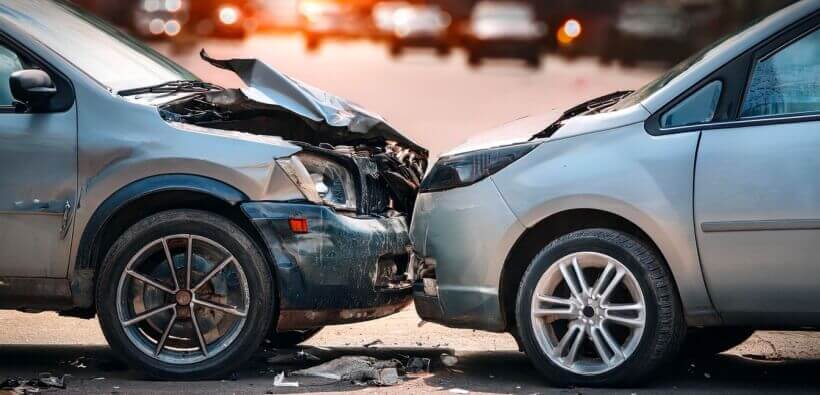
About 1 in 8 drivers on U.S. roads is either underinsured or uninsured, making every drive a risk for unexpected expenses. Imagine driving home after a long day when suddenly, another car crashes into you. You exchange information, only to discover the other driver has no car insurance. Without proper uninsured motorist coverage and underinsured motorist coverage, you could face significant out-of-pocket expenses for medical bills and vehicle repairs, even though the accident wasn’t your fault. This is why these coverages can be an important part of your financial protection.
Uninsured motorist coverage not only helps cover medical expenses and lost wages but can also protect you in hit-and-run accidents where the responsible driver cannot be found. Many drivers assume their health insurance or other auto coverages will handle these costs, but often these policies have gaps, leaving you vulnerable. Understanding the risks and benefits of these coverages empowers you to make informed decisions when choosing between full coverage and liability-only auto insurance, safeguarding your finances in the event of an accident.
What Is an Uninsured or Underinsured Driver?
An uninsured driver operates a vehicle with no active auto liability policy at the time of a crash. An underinsured driver has insurance coverage but carries limits too low to cover all damages they cause.
Most states require minimum liability limits—Illinois, for example, mandates $25,000 per person and $50,000 per accident for bodily injury. Many underinsured drivers carry only these state minimum auto liability limits.
An uninsured driver might be:
- Driving without any car insurance policy
- Operating with a lapsed policy due to nonpayment
- Excluded from a household member’s existing policy
- Using fraudulent or invalid documentation
Industry estimates show roughly 12.5% of drivers nationally lack proper coverage, with some states exceeding 20%.
What Is Uninsured Motorist (UM) Coverage?
Uninsured and underinsured motorist coverage is an optional (or state-mandated) add-on to your car insurance that activates when the at-fault driver has no liability insurance or in certain hit-and-run accidents. Uninsured Motorist (UM) coverage generally includes two main components: Uninsured Motorist Bodily Injury (UMBI), which covers injuries caused by an uninsured driver, and Uninsured Motorist Property Damage (UMPD), which covers damage to your vehicle caused by an uninsured driver.
It is recommended to choose uninsured motorist limits that match your liability limits for better protection. Your UM limits usually match your liability limits unless you select a different amount. Higher limits increase your premium but provide greater protection.
Uninsured Motorist Bodily Injury (UMBI)
UMBI coverage focuses on injuries sustained, not vehicle damage, making it critical protection if an uninsured driver injures you.
UMBI may cover:
- Emergency room visits and hospital bills
- Surgery and follow-up care
- Physical therapy and prescriptions
- Lost wages when you cannot work
- Pain and suffering (availability varies by state)
UMBI can extend to your passengers and sometimes covers you as a pedestrian, bicyclist, or when riding in someone else’s car.
Example: An uninsured driver runs a red light and breaks your leg. Your medical costs exceed $40,000, but the other driver has no assets. Your UMBI responds when they cannot pay.
Uninsured Motorist Property Damage (UMPD)
UMPD coverage (offered in select states) helps repair or replace your vehicle when an identified uninsured driver causes property damage. It typically carries a small deductible and pays up to your car’s actual cash value.
Key distinctions:
- UMPD may not cover hit-and-run crashes where the tortfeasor remains unidentified
- Collision coverage applies regardless of fault with higher deductibles
- Where UMPD is unavailable, collision coverage protects against uninsured drivers damaging your vehicle
What Is Underinsured Motorist (UIM) Coverage?
Underinsured motorist coverage protects you when the at-fault driver has some liability insurance but their coverage limits are too low to fully pay for your injuries or property damage.
How it works: The other driver’s insurer pays up to their liability limit, then your UIM pays above that amount up to your own limit.
Example: An at-fault driver carries $25,000 bodily injury liability. Your medical expenses and lost wages total $75,000. If you carry $100,000 per person UIM, it can cover the $50,000 gap, subject to policy terms.
Some states use “add-on” UIM (stacked on top of the tortfeasor’s limits) while others use “offset” UIM (your limit minus their payment). Ask an InsureOne Insurance agent how your state handles this difference.
What Happens If an Uninsured Driver Hits You?
You’re in an accident. The other driver admits fault but reveals they have no insurance or cannot provide valid proof. Without UM, you face limited options:
- Collision coverage for car repairs (if you carry it)
- PIP or MedPay for initial medical costs
- Health insurance for ongoing treatment
- A personal lawsuit, which can be difficult if the uninsured driver lacks assets
With UM/UIM, you file a claim under your own policy. Your insurer investigates fault, verifies medical bills, and evaluates your damages similarly to a third-party claim.
Immediate Steps to Take After a Crash With an Uninsured or Underinsured Driver
Your priority is safety and documentation:
- Call 911 if anyone is injured; request police even for minor damage so they document the other driver’s lack of insurance
- Never accept cash or informal promises—this leaves you unprotected if injuries develop later
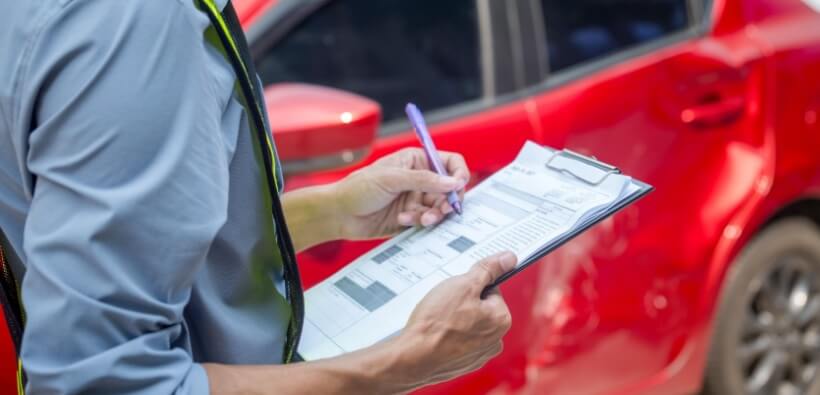
- Gather evidence: the driver’s name, contact information, license plate number, vehicle description, witness contact details, and photos of the damage and scene
- Notify your insurer or local InsureOne Insurance agent the same day to start your UM or UIM claim
For hit-and-run crashes, many states require a police report within 24–72 hours to preserve your UM claim rights.
Do You Need Uninsured and Underinsured Motorist Coverage?
While not mandatory everywhere, UM and UIM are often among the most valuable and affordable coverages you can add. The risk of being hit by a driver with no or low insurance is significant—especially in high-traffic areas, which is why it’s important to regularly review your car insurance policy to confirm your protection.
Health insurance typically doesn’t cover lost wages, has deductibles and co-pays, and may limit access to certain specialists. UMBI and UIM fill these gaps.
UM and UIM also protect passengers and household members, making them family protection—not just personal coverage.
How Much UM and UIM Coverage Should You Carry?
Many experts recommend matching your UM/UIM limits to your liability limits rather than choosing legal minimums. Consider:
- Hospital stays and surgery in 2026 can exceed $50,000 quickly
- Households without robust health insurance benefit from higher UMBI limits
- Higher limits often cost less to add than increasing collision or comprehensive coverage
A local InsureOne Insurance agent can review your income, savings, and risk tolerance to recommend specific limits.
Is Uninsured Motorist Coverage Required in Your State?
UM and UIM rules vary widely:
| State Type | Requirement |
| Mandatory states (CT, IL, and MD) | UM/UIM bodily injury required with minimum limits |
| Offer-only states | Insurers must offer; drivers can sign rejection waivers |
| Optional states | Coverage is voluntary |
Review any waivers you may have signed years ago. Don’t rely solely on legal minimums. InsureOne Insurance can help you review your state’s requirements and recommend appropriate coverage.
How InsureOne Insurance Helps You Protect Against Uninsured Drivers
Protect yourself today by contacting InsureOne Insurance. Call us directly at 800-836-2240 to speak with a knowledgeable local agent who can answer your questions and tailor coverage to your needs. Prefer to get a quick estimate? Visit our website to compare auto insurance quotes online anytime. Or stop by one of our convenient local offices to discuss your options in person and explore bundling discounts.
Don’t wait—secure your financial protection against uninsured and underinsured drivers with InsureOne Insurance now.
Frequently Asked Questions About Uninsured Motorist Coverage
Does uninsured motorist coverage apply to hit-and-run accidents?
Uninsured motorist (UM) coverage often applies to hit-and-run accidents, especially for bodily injury claims. In many states, UM coverage protects you if the responsible driver flees the scene and cannot be identified. However, some states require physical contact with your vehicle and that you file a police report within 24 to 72 hours to qualify for coverage.
Always call 911 immediately after a hit-and-run accident to ensure proper documentation and notify your insurer promptly to understand how your UM coverage applies in your state.
Will my premiums go up if I file a UM or UIM claim when I’m not at fault?
Filing a claim under your uninsured motorist (UM) or underinsured motorist (UIM) coverage when you are not at fault may or may not increase your premiums. Rate changes depend on your insurance company’s policies, state regulations, and your overall claims history. Some insurers treat not-at-fault UM/UIM claims more leniently than at-fault collision claims, while others may still consider any claim when setting rates.
It’s best to consult your InsureOne Insurance agent to understand how a UM or UIM claim could impact your premiums with different insurers.
Do I need UM or UIM coverage if I already have good health insurance?
Even if you have comprehensive health insurance, uninsured motorist (UM) and underinsured motorist (UIM) coverage remain essential. Health insurance typically does not cover lost wages, pain and suffering, or other non-medical damages resulting from an accident. It also often includes deductibles, co-pays, and network restrictions. UM and UIM coverage can help fill these gaps by covering medical expenses, lost income, and additional damages caused by uninsured or underinsured drivers, protecting your finances beyond what health insurance offers.
Can uninsured motorist coverage pay if I’m partly at fault?
Whether uninsured motorist (UM) coverage pays if you are partly at fault depends on your state’s fault laws. In comparative-fault states, UM or UIM coverage may pay a reduced amount based on your percentage of fault. For example, if you are 20% at fault, your payout may be reduced by that amount. In contributory-negligence states, even slight fault on your part could prevent you from recovering UM benefits.
Because rules vary, consult your insurer or an attorney to understand how fault affects your UM or UIM claim.
Does uninsured motorist coverage follow me when I’m in someone else’s car?
Many uninsured motorist (UM) and underinsured motorist (UIM) policies provide coverage that follows you as a person, not just your vehicle. This means you may be protected as a passenger in someone else’s car, as a pedestrian, or while riding a bicycle. However, coverage details vary by policy and state regulations. Review your policy declarations with an InsureOne Insurance agent to confirm whether your UM/UIM coverage applies when you are in a vehicle you do not own or operate.