


Electric Vehicle Insurance: Long-Term Protection for Your EV Investment

Erandi is a InsureOne Bilingual Senior Editor. She is passionate about creating meaningful content that helps people protect what matters most. She aims to empower readers to make ...

Cyndi Wright is the senior copywriter and content manager at InsureOne. With a career that has spanned many facets of writing across a variety of platforms, Cyndi loves to create a...

Rose Carter is an accomplished content strategist and insurance marketing leader with a proven track record of creating impactful, results-driven content. With expertise in writing...
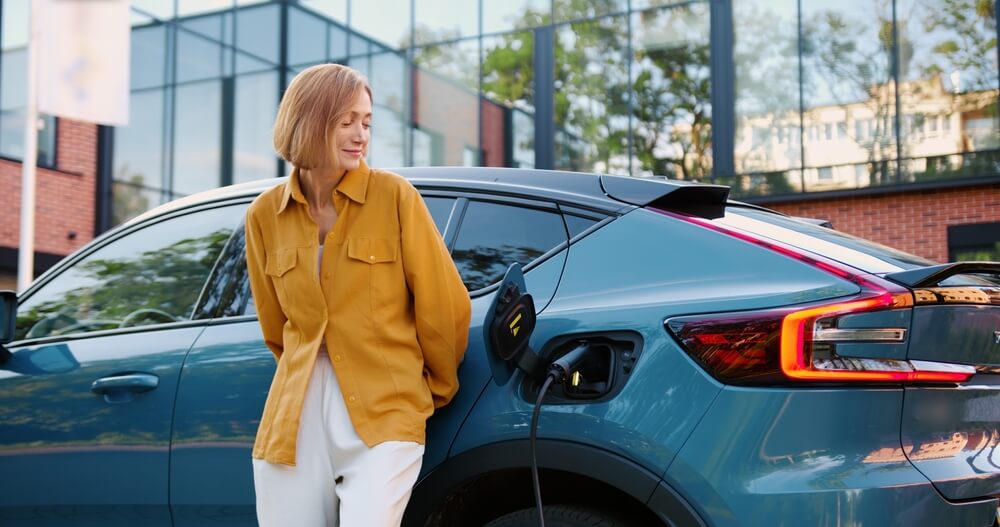
Owning an electric vehicle (EV) brings exciting benefits, from environmental impact to innovative technology. However, insuring your EV comes with unique considerations that differ from traditional cars. Understanding these nuances is essential for securing the right car insurance coverage. At InsureOne Insurance, we specialize in helping EV owners navigate these complexities by comparing multiple carriers and tailoring policies to your specific needs. Read on to discover key insights about electric vehicle insurance and how we can help protect your investment long-term.
Key Takeaways
- Electric car insurance works similarly to traditional auto insurance but must account for high-value EV batteries, specialized repairs, and charging equipment—factors that often push premiums 15–30% higher than comparable gas vehicles.
- As of 2026, the national average cost to insure an EV typically ranges between $2,400 and $4,058 per year for full coverage, driven by elevated repair and battery replacement costs.
- Long-term EV ownership involves unique risks including battery degradation, software updates, safety tech repairs, and evolving pricing trends as electric vehicles become more common on U.S. roads.
- InsureOne Insurance compares multiple carriers to help EV drivers find customized coverage options, potential discounts, and bundling opportunities with home and renters insurance.
- Smart coverage choices, safe driving habits, and annual policy reviews can help lower your monthly premium over the life cycle of your electric vehicle.
About Electric Car Insurance
Electric car insurance is auto insurance tailored to battery-powered vehicles like the Tesla Model 3, Ford F-150 Lightning, and Chevy Equinox EV. Electric vehicle insurance generally functions similarly to traditional car insurance, covering financial losses from car accidents or damage while addressing unique EV-specific needs.
Core protections—liability, collision coverage, comprehensive coverage, uninsured/underinsured motorist, and medical payments—work the same for electric cars as for gas powered vehicles. However, electric vehicle insurance must also consider high-voltage battery packs, software-driven safety systems, and higher repair costs for EV-specific parts.
The numbers tell the story: the average annual cost of full coverage car insurance for an electric vehicle is approximately $3,140, compared to about $2,399 for all vehicle types. Electric vehicles tend to be more expensive to insure than traditional gas-powered vehicles due to their higher purchase price—the average price paid for a new electric vehicle was about $55,689, compared to $48,800 for gas powered cars.
InsureOne Insurance acts as an insurance concierge, helping electric vehicle owners across the U.S. compare policies from multiple insurance providers rather than purchasing from a single insurer.
Powered Differently, How Coverage Works
Although EVs are powered by batteries instead of gasoline, most auto coverage types function identically on paper. Here’s how they apply:
| Coverage Type | How It Applies to EVs |
| Liability | Pays for third-party injuries and property damage you cause |
| Collision | Covers your EV’s repairs after an accident, including battery damage |
| Comprehensive | Protects theft, fire, storms, and vandalism affecting the battery and electronics |
Software-heavy EVs may need additional attention to coverage for electronic components, sensors, and advanced driver assistance systems. Most insurers offer policies for electric vehicles that cover them the same way as gasoline cars, but it’s important to ensure the policy protects against EV-specific risks. InsureOne can help drivers evaluate optional add-ons like enhanced battery protection or portable charging equipment coverage.
Bundling Your EV Policy
Bundling means purchasing your electric car insurance together with homeowners, renters insurance, or other policies from the same carrier. Through InsureOne’s partner carriers, bundling an EV policy with home insurance can unlock multi-policy discounts of 10–25% and simplify billing.
This approach is especially useful for EV owners who need coverage for garages, carports, and home charging setups. For example, a household insuring a Ford F-150 Lightning alongside their home policy might save 15–20% on total premiums. Ask an InsureOne agent to run bundled versus stand-alone quotes to see which option delivers the best savings for your situation.
Other Auto Insurance Discounts for EV Drivers
Even though EVs typically cost more to insure, EV drivers often qualify for standard car insurance discounts:
- Safe driver and accident-free discounts
- Telematics and usage-based programs (up to 40% off for low-mileage drivers)
- Multi-vehicle policies
- Low-mileage discounts (ideal for home-charging lifestyles)
- Green vehicle or alternative-fuel savings
Maintaining a good driving record and credit score can lead to lower insurance rates for electric vehicle owners, as insurers often consider these factors when setting premiums. Review discounts annually with an InsureOne agent, especially when your mileage or commute changes.

Unique Insurance Considerations for Electric Vehicles
Long-term EV ownership involves risks that traditional vehicles don’t share: battery degradation, specialized ev repairs, software updates, and charging infrastructure issues. These factors influence both which coverage options you should choose and how premium rates may shift as your vehicle ages.
Because the EV insurance market continues evolving, working with a broker like InsureOne helps you keep policies current as insurers refine their approach.
EV Battery: Replacement Costs and Coverage
A significant portion of an EV’s premium relies on its battery pack, which can cost tens of thousands of dollars to replace—typically $15,000 to $25,000 for mid-range 2024–2026 models. Manufacturer warranties (often 8 years or around 100,000 miles) are separate from car insurance and mainly cover defects, not collision or flood damage.
Collision and comprehensive insurance can pay for ev battery damage from covered events like crashes, vandalism, storms, or fire. However, a minor accident damaging the battery can result in the entire car being declared a total loss due to the high cost of replacement.
Normal degradation and reduced range over time is considered wear and tear—not covered by vehicle insurance. InsureOne agents can review policy wording to confirm how specific carriers handle battery damage or thermal events.
Specialized Repairs and Certified EV Shops
Electric vehicles tend to have higher insurance premiums primarily due to higher repair costs and the limited number of repair shops that specialize in EV repairs. Repairing electric vehicles often requires specialized mechanics trained in high-voltage systems, which can be more costly than traditional repairs.
Brands like Tesla, Rivian, and Ford may require OEM parts, inflating repair bills by 40% or more compared to aftermarket options. Some insurers steer ev drivers toward preferred networks of certified shops, affecting rental car needs and timelines.
If you live outside major metro areas, verify whether your chosen carrier has strong EV repair networks in your region. InsureOne can compare carriers on their approach to repair standards and sensor calibration after accident repairs.
Charging Equipment and Home Chargers
Many EV owners install Level 2 home charging stations costing $500–$2,000. Permanently installed chargers are often covered under homeowners insurance for risks like fire or theft, subject to deductibles and limits.
Portable chargers and cables may fall under either home policies or auto coverage depending on where damage occurs.
Software, Connectivity, and Cyber Risk
Many EVs receive over-the-air software updates and rely on connected systems and driver-assist features. Software glitches or cyber incidents can lead to immobilization or specialized diagnostic needs.
Traditional auto coverage does not generally cover purely digital losses like hacked accounts, but may cover resulting physical damage. Ask about coverage for electronic control unit damage and sensor replacement after collisions.
How EV Insurance Differs from Traditional Auto Insurance Over Time
EV insurance isn’t only different at purchase—it behaves differently over your vehicle’s life cycle. Battery health, market values, and repair patterns all influence premiums and coverage needs after 3, 5, or 8 years of ownership.
Premium Trends as EVs Become More Common
Early EV models carried significantly higher premiums due to limited data and uncertainty. EV premiums typically cost 20% to 50% more than comparable internal-combustion engine vehicles. As of 2026, electric vehicles generally cost 15–30% more to insure than comparable gas cars.
Local factors—like how many certified shops exist in your region—still drive what individual drivers pay. InsureOne’s carrier partners continually re-evaluate rates as repair costs and parts availability evolve.
Age, Mileage, and Battery Degradation
As your EV ages and mileage increases, market value decreases, which can gradually reduce collision and comprehensive premiums. Battery health and remaining warranty affect resale value and how carriers calculate total-loss decisions.
Once manufacturer warranties expire (often at year 8), maintenance costs and potential out-of-pocket battery replacement become greater concerns—though insurance still won’t cover normal degradation.
Essential Coverage Options for Electric Cars
Electric vehicle owners need core auto coverage but should select limits with EV-specific risks in mind:
- Liability: Protects personal assets if you cause an accident
- Collision: Covers repairs after at-fault accidents
- Comprehensive coverage: Essential for EVs due to theft, storms, and battery fire risks
- Uninsured/Underinsured Motorist: Fills gaps when others lack adequate coverage
- Personal injury protection/Medical payments: Covers injuries regardless of fault
Specialized coverage options for electric vehicles may include battery coverage and rental reimbursement, addressing unique needs associated with EV ownership. InsureOne tailors recommendations based on your model, commute, and state requirements.

EV-Specific Add-Ons to Consider
- Gap insurance: Critical for new EVs that depreciate 20–30% in year one
- Enhanced roadside assistance: Flatbed towing and out-of-charge support
- Rental reimbursement: Higher daily limits for comparable EV replacements
- OEM parts endorsements: Ensures manufacturer parts after repairs
Ask InsureOne which carriers offer the most robust EV add-ons in your state and how they affect your premium.
Factors That Influence Electric Vehicle Insurance Rates
Both traditional and EV-specific elements combine to set your premiums:
Standard factors: Driving history, location, age, credit-based score (where allowed), annual mileage, and claims history.
EV-specific factors: Battery replacement cost, repair complexity, safety ratings, and expensive components like sensors and cameras.
Luxury EVs versus mainstream compact models can have dramatically different insurance rates due to parts prices and theft risk. InsureOne compares multiple companies because each insurer weighs these factors differently.
Vehicle Value, Technology, and Safety Features
Higher sticker prices and complex electronics increase potential payouts after a total loss or major accident. Advanced safety features like automatic emergency braking may reduce accident frequency but increase repair costs when sensors need recalibration.
A high-end performance EV might cost $5,200 annually to insure while an entry-level electric hatchback runs closer to $2,900—all in the same city.
Location, Charging Habits, and Usage-Based Insurance
Where you garage your EV—urban versus rural, high-theft versus low-theft—affects premiums. Vehicles parked in secure garages may qualify for better rates than those kept on busy streets.
Usage-based programs tracking driving habits and lower mileage can be attractive for EV owners who mostly charge at home and drive locally. InsureOne can determine whether pay-per-mile programs might save you money.
How to Save on Electric Car Insurance with InsureOne
EV insurance doesn’t have to strain your budget. InsureOne compares multiple national and regional carriers to uncover competitive car insurance rates for electric vehicles.
Smart Coverage Choices and Deductibles
Choosing higher deductibles on collision and comprehensive can lower your monthly premium, though this increases out-of-pocket costs after a claim. As your EV ages, reconsider full coverage when market value declines substantially.
Focus on strong liability limits and adequate uninsured motorist protection—these protect your finances more than small premium savings. Meet with an InsureOne agent annually to fine-tune limits based on updated quotes.
Compare Car Insurance Quotes with InsureOne for Maximum Value and Protection
Ready to find the perfect electric vehicle insurance? Call InsureOne today at 800-836-2240, visit a convenient local office near you, or start your personalized quote online—whichever works best for you! Don’t just compare prices; explore coverage limits, exclusions, repair networks, and roadside benefits to secure the best protection for your EV.
Frequently Asked Questions about Electric Vehicle Insurance
Does my EV insurance cover battery replacement if my range drops over time?
No. Normal battery degradation and loss of range are considered wear and tear, which auto insurance does not cover. Manufacturer warranties may address certain defects, while insurance only covers sudden damage from covered events like collisions, fire, or floods. Review both your warranty and policy with an InsureOne agent.
How does insurance work for a used electric vehicle I’m buying in 2026?
Used EVs are insured similarly to new ones, but the vehicle’s lower value affects pricing. Check the EV’s history for previous accidents or battery replacements. Get an insurance quote from InsureOne before completing the purchase to understand total ownership costs.
Will moving to another state change my EV insurance cost dramatically?
Yes, relocating often affects rates due to different state minimums, claim patterns, and repair costs. Urban areas typically have higher premiums. Contact InsureOne before moving so an agent can compare carriers in your new state.
Do I need separate insurance for public charging sessions?
No separate policy is needed. Damage to your car at public stations is handled by existing auto coverage. If you damage a charging station, your liability coverage may apply. Document any incidents with photos for claims purposes.
Can I switch my existing gas car policy to cover an EV mid-term?
Yes, in most cases you can replace a gas vehicle with an EV on your current policy. Premiums will be recalculated based on the EV’s value and repair profile. Contact InsureOne before purchasing to get updated quotes and avoid coverage gaps.