


Does Homeowners Insurance Cover a New Roof?

Andrea Perez is a bilingual content writer at InsureOne, where she creates strategic content for multiple brands within the insurance industry. With a background in journalism, edi...

Ashley Walrath is a results-driven content strategist and copywriter known for creating clear, engaging content that connects brands with their audiences while supporting measurabl...

Rose Carter is an accomplished content strategist and insurance marketing leader with a proven track record of creating impactful, results-driven content. With expertise in writing...
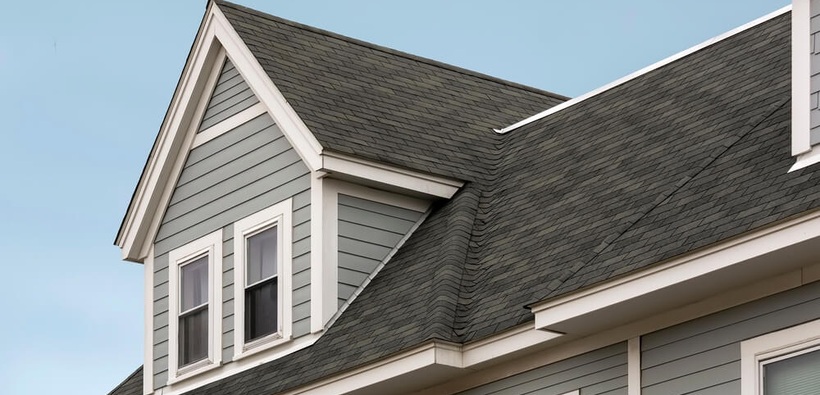
A damaged roof can turn an ordinary day into a stressful and expensive problem. A severe storm may tear off shingles, hail can damage roofing materials, or a falling tree can leave part of your home exposed to the elements.
Homeowners insurance may help pay for roof repairs or replacement when the damage results from a covered event. However, coverage depends on what caused the damage, your roof’s condition, your policy terms, and your deductible, which is the amount you’re responsible for on a covered claim.
This guide explains what can affect roof coverage and what to expect if you need to file a claim.
When Does Homeowners Insurance Cover Roof Damage or a New Roof?
Homeowners insurance may cover roof damage when it results from a sudden event included in your policy rather than gradual deterioration.
Depending on the policy, covered events can include wind, hail, lightning, fire, falling trees or branches, and the weight of ice or snow. The National Association of Insurance Commissioners (NAIC) notes that homeowners policies commonly provide protection against certain events such as windstorms and hail, although coverage and exclusions can vary by policy and location.
When a covered event directly damages the roof of your home, the loss generally falls under dwelling coverage, which helps cover the structure of your home. Damage to structures such as a detached garage or shed may instead fall under other structures coverage.
If the damage is extensive, a full roof replacement may be covered when repairing only the affected areas isn’t feasible or when the policy or applicable law requires broader replacement. Additional costs to meet current building codes may depend on whether the policy includes ordinance or law coverage.
For example, if a relatively new asphalt shingle roof is damaged by a covered hailstorm and water enters through the damaged area, the policy may help pay for eligible roof repairs and resulting interior damage, subject to the deductible, limits, and policy terms.
Covered Roof Damage vs. Normal Wear and Tear
Homeowners insurance is generally designed for sudden covered losses rather than the gradual aging of a roof.
Damage caused by wind that removes shingles, hail that damages the roofing surface, fire, or a falling tree may qualify for coverage when the event is included in the policy.
Normal wear and tear is different. Shingles that deteriorate over time, long-term moisture problems, neglected maintenance, or gradual roof failure generally aren’t considered sudden insured losses.
Damage caused by faulty materials, construction, or workmanship may also be excluded, although coverage for resulting damage can depend on the policy and cause of loss.
Some policies also limit or exclude cosmetic damage that doesn’t affect the roof’s ability to function. For example, a metal roof may show dents after hail without losing its ability to keep water out. Review any cosmetic-damage endorsement or exclusion in your policy to understand how your carrier handles this type of loss.
An InsureOne Insurance agent can help you review your policy’s exclusions, endorsements, and roof coverage provisions before damage occurs.
Does Homeowners Insurance Cover Roof Leaks?
A roof leak may be covered when it results from a covered event, such as wind or hail that damages the roof.
Depending on the policy and cause of loss, coverage may apply to eligible roof repairs and resulting interior water damage to areas such as ceilings, drywall, or flooring.
A leak caused by worn shingles, deteriorated flashing, clogged gutters, or another long-term maintenance problem may not be covered in the same way. Homeowners are generally responsible for routine maintenance and addressing problems before they create additional damage.
If you discover a leak, take reasonable steps to limit further damage when it is safe to do so. For example, you may place containers under dripping water or temporarily cover an opening in the roof.
Document the damage with photos and notes about when you discovered it. You can also obtain an assessment from a qualified roofing professional before authorizing permanent repairs.
If interior water damage results from a covered hazard, review your policy to understand which repair expenses may apply to the claim.
How Roof Age, Condition, and Materials Affect Your Coverage
The age and condition of a roof can influence how an insurer evaluates coverage and eligibility.
As a roof ages, some insurers may require an inspection, limit coverage to actual cash value, or impose additional underwriting requirements. The specific threshold depends on the insurer, roofing material, condition, and location.
Visible deterioration, previous repairs, missing shingles, sagging, or other signs of aging may also affect how a future claim is evaluated if the damage existed before the covered event.
Roofing materials age differently, and insurers may consider both the material and its condition when evaluating coverage or eligibility. Weather exposure, installation quality, previous repairs, and maintenance can also affect a roof over time.
These factors can also influence your premiums and coverage eligibility.
Some insurers or state programs may offer discounts or other incentives for qualifying impact-resistant or fortified roofing systems. Availability depends on your insurer, location, and the specific standards the roof meets.
How Roof Claims Are Paid: Replacement Cost vs. Actual Cash Value
Two common ways insurers may settle covered roof losses are replacement cost value and actual cash value.
The difference can significantly affect how much you receive after a covered claim.
Replacement Cost Value
Replacement cost value, or RCV, is generally based on the cost of repairing or replacing damaged property with materials of similar kind and quality without subtracting depreciation.
Your deductible, policy limits, exclusions, and other conditions still apply.
Some insurers may initially pay the actual cash value of a covered loss and release recoverable depreciation after repairs are completed and the required documentation is submitted.
Check your policy or ask your insurer how your claim would be settled.
Actual Cash Value
Actual cash value, or ACV, takes depreciation into account.
With ACV coverage, depreciation is deducted from the repair or replacement cost. Insurers may consider factors such as the roof’s age and condition when calculating depreciation, which can result in a lower claim payment.
That difference can be important for an older roof because the homeowner may be responsible for a larger portion of the replacement expense.
Review your policy’s replacement cost vs. actual cash value provisions and ask whether your roof has different settlement terms from other parts of the home.
Also check for separate wind, hail, hurricane, or named-storm deductibles that may apply in your area.
How to File a Roof Damage Insurance Claim Step by Step
After a storm, fire, or other damaging event, documenting the loss and contacting your insurer promptly can make the claims process easier to navigate.
1. Make Sure the Area Is Safe
Don’t climb onto a damaged roof or enter an unsafe part of your home. Wait until conditions are safe before inspecting what happened.
2. Document the Damage
Take photos and videos from safe locations. Include visible roof damage as well as any damage inside the home.
Record when the event happened, when you noticed the damage, and what you observed.
3. Prevent Additional Damage
Take reasonable temporary steps to prevent the situation from getting worse, such as covering an opening in the roof when it can be done safely.
Keep receipts for temporary repairs or materials. Your policy may cover eligible emergency expenses.
4. Contact Your Insurance Company
Report the damage as soon as practical. Reporting requirements and deadlines can vary by policy and state.
If you’ve recently experienced tornado or severe storm damage, follow the reporting instructions provided by your insurer.
5. Prepare for the Claim Inspection
Your insurer may inspect the damage as part of the claim.
You can also obtain an assessment or repair estimate from a qualified roofing contractor and keep it with your claim records.
Be accurate when describing the event, when you discovered the damage, and what you observed. If you have previous inspection reports, repair invoices, or photos of the roof, keep those documents available as well.
Finally, review the claim estimate carefully. Ask questions if you don’t understand your deductible, depreciation, exclusions, or the amount being offered.
You may also want to read: 8 Simple Mistakes That May Keep Your Homeowners Insurance from Paying Out
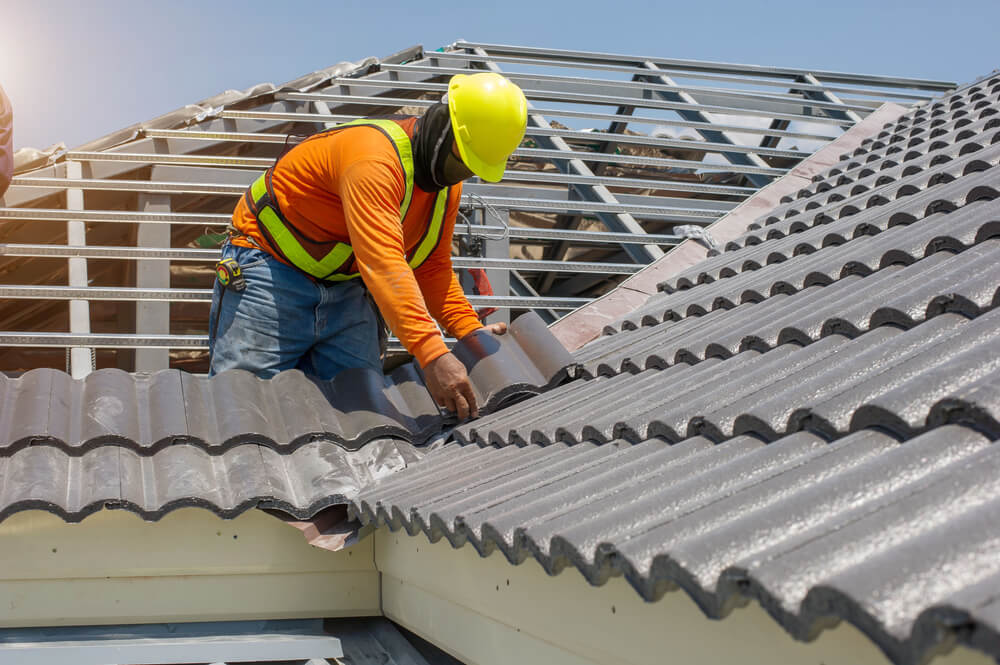
Preventing Roof Damage and Documenting Maintenance
Regular maintenance can help identify roof problems before they create additional damage. It can also provide useful documentation of the roof’s condition if you later need to file a claim.
Consider:
- Regular roof inspections, particularly after severe weather or when you notice signs of damage
- Cleaning gutters and downspouts so water can drain properly
- Removing debris and addressing moss or other growth
- Trimming overhanging branches that may damage the roof
- Checking flashing and seals around chimneys, vents, and skylights
- Addressing missing or damaged roofing materials promptly
Keep dated photos, inspection reports, invoices, and receipts for repairs. These records can help document the roof’s condition, maintenance, and previous work if you later need to file a claim.
Depending on state law and the insurer’s underwriting guidelines, an aging or deteriorated roof may also affect eligibility for new coverage or renewal.
After replacing or significantly repairing your roof, contact your insurance agent. A recent improvement may affect your coverage options or eligibility for certain discounts, so let your agent know about the update.
InsureOne Insurance can also help you review your policy after home improvements or a roof replacement.
Working With an Insurance Agent to Understand Your Roof Coverage
Policy language may address covered causes of loss, roof settlement terms, depreciation, deductibles, cosmetic damage, and exclusions differently. Some homeowners don’t discover these details until they need to file a claim.
Reviewing the policy before damage occurs gives you an opportunity to check:
- Whether the roof is covered at replacement cost or actual cash value
- Your homeowners insurance deductible
- Any separate wind or hail deductible
- Roof-related endorsements or exclusions
- Cosmetic-damage limitations
- Ordinance or law coverage
- Requirements related to the roof’s age or condition
Protect Your Home with the Right Coverage
Your roof is one of the most important parts of your home, so it’s worth knowing how your homeowners policy would respond before damage happens. InsureOne Insurance can help you compare homeowners insurance options, review available coverage, and find a policy that fits your home and budget.
Get a quote online, call InsureOne Insurance at 800-836-2240, or visit an office near you to explore your coverage options today.
Frequently Asked Questions About Roof Coverage and Homeowners Insurance
Will homeowners insurance pay for a new roof if only part of it is damaged?
It depends on the policy, extent of the damage, applicable state rules, and local building codes.
If only part of the roof is damaged by a covered event, the insurer may pay for an eligible repair. In other situations, additional replacement may be necessary because of building-code requirements, the availability of matching materials, or the extent of the covered damage.
If your policy includes ordinance or law coverage, it may help with certain additional costs required to bring repairs into compliance with current building codes.
Review your policy and claim estimate to understand what applies to your roof.
Does homeowners insurance cover a new roof after a home inspection finds it worn out?
Generally, homeowners insurance isn’t designed to pay for a roof replacement simply because the roof has reached the end of its useful life.
Normal aging and wear and tear are maintenance issues rather than sudden covered losses.
Your insurer may require repairs or replacement as a condition of continued coverage or renewal, depending on its underwriting guidelines and applicable state rules.
If you’re planning a replacement, compare roofing materials and ask your insurer how a new roof could affect your coverage options. InsureOne Insurance can also help you compare available policies after the work is completed.
Are roof inspections covered by homeowners insurance?
Routine roof inspections performed for maintenance, a real estate transaction, or general upkeep typically aren’t covered by homeowners insurance.
When you file a roof claim, your insurer may arrange its own inspection or adjuster evaluation as part of the claims process. You may also choose to obtain an independent roofing assessment at your own expense.
Regular inspections can help identify maintenance issues before they lead to more extensive damage.
Will filing a roof claim always increase my homeowners insurance premium?
No. Filing a roof claim doesn’t automatically mean your premium will increase.
Claim history can be one of several factors that affect future premiums or eligibility, subject to state insurance rules and the insurer’s rating and underwriting practices.
Other factors may include the type and severity of the loss, broader weather-related losses in your area, the condition of your home, and changes in rebuilding costs.
If the damage appears minor, review your deductible and your policy’s claim-reporting requirements. If you’re unsure how to proceed, contact your insurer or insurance agent promptly.
If your insurance needs or pricing change at renewal, InsureOne Insurance can help you compare available carriers and coverage options.