


How Your Home’s Age and Location Affect Your Insurance Rates

Ashley Walrath is a results-driven content strategist and copywriter known for creating clear, engaging content that connects brands with their audiences while supporting measurabl...

Mónica Alarcón is a Senior Content Writer at InsureOne, where she strengthens editorial quality and ensures that content is accurate, compliant, clear, and consumer-focused. Her ro...

Rose Carter is an accomplished content strategist and insurance marketing leader with a proven track record of creating impactful, results-driven content. With expertise in writing...

Your home’s age and location can affect what you pay for homeowners insurance.. Insurers consider these factors because they can affect the likelihood of a claim and how much it could cost to repair or rebuild your home after a covered loss.
An older home may have aged electrical, plumbing, or roofing systems that are more expensive to repair. Location can introduce different risks, including severe weather, wildfire exposure, crime, and distance from emergency services.
Although you can’t change when or where your home was built, understanding these factors can help you make informed decisions about your homeowners insurance, coverage limits, home improvements, and available policy options.
What Factors Affect Homeowners Insurance Rates?
Insurance companies consider many details when determining homeowners insurance premiums. Your home itself is only part of the picture.
Depending on the insurer and state, rating factors may include:
- Your home’s age, size, and construction materials
- The age and condition of the roof, plumbing, electrical, and heating systems
- Local weather and natural disaster risks
- Crime and claims activity in the area
- Proximity to fire protection and other emergency services
- The estimated cost to rebuild your home
- Your claims history
- Your coverage amounts and the amount you pay out of pocket before coverage applies
- Certain credit-based insurance information, where permitted by state law
Your specific rate depends on the insurer’s rules for evaluating risk and the factors state law allows insurers to use when setting rates. Understanding what homeowners insurance is and how it works can make it easier to see why two similar homes may have different premiums.
How Your Home’s Age Can Affect Insurance Rates
Older homes aren’t automatically more expensive to insure, but age can introduce risks that insurers consider when setting rates or determining eligibility.
The condition of the home matters just as much as the year it was built. An older property with an updated roof, plumbing, and electrical system may present a different risk than a similarly aged home with its original systems.
Older Roofs Can Increase Risk
A roof is one of the home’s main defenses against rain, wind, hail, and other weather conditions. As roofing materials age, they may become more vulnerable to damage.
Insurers may consider the roof’s age, condition, and materials when evaluating a home. Depending on the insurer, an older roof could affect your premium, available coverage, or eligibility.
If you replace your roof, keep receipts, permits, warranties, and other documentation. Providing updated information to your insurer can help keep records about your home accurate.
Aging Electrical Systems May Affect How Insurers Evaluate Risk
Older homes can contain electrical systems or components that differ from those used in newer construction. An insurer may look at the type and condition of the electrical system when evaluating the property.
Updating outdated electrical components can improve your home’s safety. If you complete electrical work, document the upgrades and let your insurer know about the changes.
Older Plumbing Can Create Additional Concerns
Plumbing systems can also become more vulnerable to leaks or failures as they age. The material, condition, and age of your home’s pipes may be considered during underwriting.
Replacing aging plumbing may reduce the risk of certain water-related losses, although an upgrade doesn’t guarantee a lower premium.
Construction Materials Can Affect Repair Costs
Older or historic homes sometimes contain materials or design features that are difficult or expensive to reproduce. Custom woodwork, plaster walls, masonry, specialty windows, and other features may increase repair or replacement costs after a covered loss.
Some homes may also require additional work to comply with current building codes during major repairs. These costs can affect how much coverage a homeowner needs.
For some older properties, a specialized policy may be appropriate. Reviewing the different types of homeowners insurance can help you understand how coverage can vary by property.
How Your Home’s Location Can Affect Insurance Rates
Location introduces a different set of considerations. Insurers may evaluate risks associated with your ZIP code, neighborhood, local weather patterns, access to emergency services, and rebuilding costs in your area.
These factors can vary considerably, even between homes within the same city.
Severe Weather and Natural Hazards
Where you live can determine which weather-related risks your home is most likely to face. Depending on the area, insurers may consider exposure to:
- Hurricanes and tropical storms
- Wind and hail
- Wildfires
- Tornadoes
- Winter storms and freezing temperatures
- Other region-specific hazards
Not every hazard is covered by a standard homeowners policy. For example, homeowners may need separate or additional coverage for certain risks. Review your policy carefully to understand which events it covers, how much it may pay, how much you pay out of pocket before coverage applies, and what it excludes.
Crime and Local Claims Activity
Insurers may consider theft, vandalism, and other property-related claims in an area when assessing risk. A location with more frequent or costly claims may have different rates than an area with fewer losses.
Adding protective features, such as alarms, cameras, or monitored security systems, may help reduce certain risks. Some insurers may also offer discounts for qualifying devices. Learn more about how home security systems can affect homeowners insurance rates.
Proximity to Fire Protection and Emergency Services
Access to fire protection can also affect insurance pricing. Insurers may consider your home’s distance from a fire station or fire hydrant. They may also consider the fire protection capabilities available in your community.
Homes in rural or remote locations may be farther from emergency services, which can increase the potential severity of a fire-related loss.
Local Rebuilding Costs
Your home’s market value and its replacement cost aren’t the same thing. Market value reflects what a buyer may pay for the property, including the land. Replacement cost focuses on what it could cost to rebuild the home after a covered loss.
Labor, construction materials, local building requirements, and demand for contractors can all influence rebuilding costs. Those costs may change over time and vary by location.
Understanding the difference between replacement cost and actual cash value can help you evaluate how your policy may respond after a covered loss.
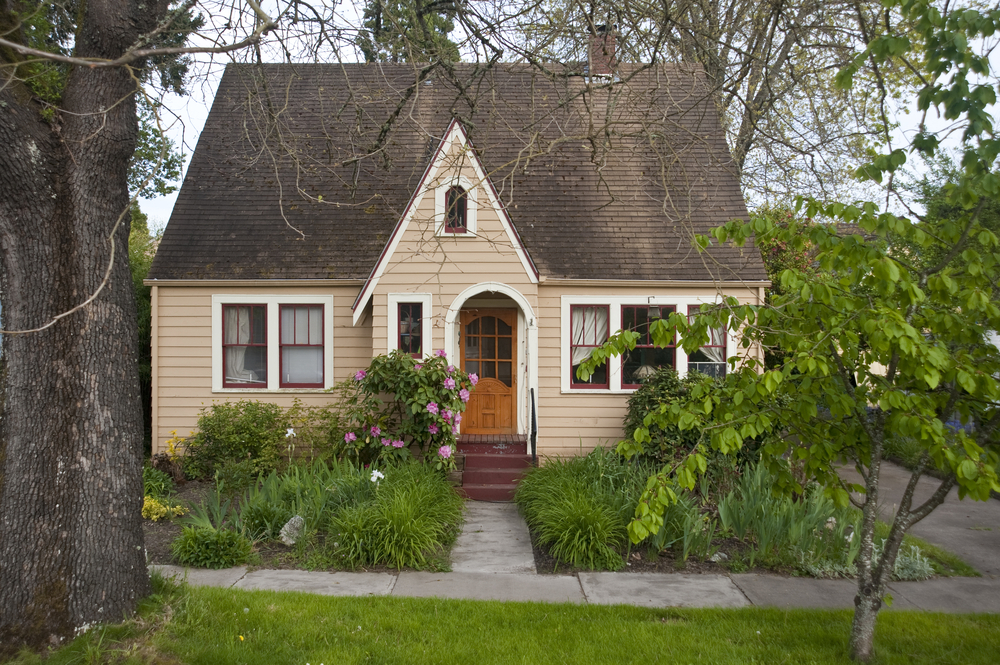
Why Age and Location Can Affect the Same Home Differently
Age and location are separate rating considerations, but they can sometimes overlap.
For example, an older home in an area exposed to severe weather may have an aging roof that’s more vulnerable to damage. An older property in a region with updated building codes may also cost more to rebuild if major repairs require bringing parts of the home up to current standards.
That doesn’t mean every older home or every home in a higher-risk location will have the same insurance costs. Insurers use their own underwriting guidelines, and state laws determine which rating practices are permitted.
Certain properties may also have unique coverage needs. Learn more about which homes may need additional insurance before deciding how much protection is appropriate for your property.
Steps You Can Take to Manage Home Insurance Costs
You can’t change your home’s age or move it to a different ZIP code, but you may be able to address some of the risks insurers consider.
Update Major Home Systems
Consider replacing or updating aging roofs, electrical systems, plumbing, or heating equipment when necessary. These projects can reduce certain risks and help maintain your property.
Before beginning a major project, ask your insurer whether the improvement could affect your policy or premium.
Improve Home Security and Safety
Smoke alarms, burglar alarms, security systems, water leak detection devices, and other protective features can help reduce certain risks. Available discounts and eligibility requirements vary by insurer.
Document Renovations and Improvements
Keep records of major home improvements, including:
- Receipts and invoices
- Permits
- Inspection reports
- Contractor documentation
- Photos of completed work
- Warranties
Tell your insurer about significant renovations or upgrades. Improvements can change both the risks associated with your home and the estimated amount needed to rebuild it.
Review Your Replacement Cost
Construction and labor costs can change over time. Review the amount of coverage available to rebuild your home periodically to make sure it still reflects the estimated rebuilding cost rather than the home’s market value.
This is especially important after additions, remodeling projects, or other substantial improvements.
Compare Insurance Options
Insurance companies don’t evaluate risk in exactly the same way. Comparing policies from multiple carriers can help you see how coverage, deductibles, discounts, and premiums differ.
Price matters, but it shouldn’t be the only consideration. Compare coverage limits, exclusions, deductibles, and optional protections, so you understand what each policy provides.
If you recently purchased a property, the new homeowner’s guide to insurance can help you understand what to consider when choosing coverage.
Find Homeowners Insurance That Fits Your Property
Your home’s age and location are important insurance rating factors, but they’re only part of the overall picture. The condition of your home, local risks, replacement costs, coverage selections, and insurer guidelines can also influence what you pay.
Reviewing your policy and comparing options can help you find coverage that reflects your property and your needs.
InsureOne can help you compare homeowners insurance options from multiple carriers. Give us a call at 800-836-2240, find an InsureOne office near you, or start a homeowners insurance quote online.