


What Is Homeowners Insurance?

Andrea Perez is a bilingual content writer at InsureOne, where she creates strategic content for multiple brands within the insurance industry. With a background in journalism, edi...

Cyndi Wright is the senior copywriter and content manager at InsureOne. With a career that has spanned many facets of writing across a variety of platforms, Cyndi loves to create a...

Rose Carter is an accomplished content strategist and insurance marketing leader with a proven track record of creating impactful, results-driven content. With expertise in writing...

Imagine coming home after a long day to find your house damaged by a sudden storm or a kitchen fire. The financial burden can be overwhelming without the right protection. That’s where homeowners insurance steps in—offering a safety net to rebuild your life when the unexpected happens.
At InsureOne Insurance, we work with multiple carriers nationwide to help you find personalized homeowners insurance policies that provide enough coverage at competitive prices. Let’s dive into how you can protect your home and your future with confidence.
What Is Homeowners Insurance?
A homeowners (HO) insurance policy is property and liability insurance designed for owner-occupied homes. Most mortgage lenders require this coverage to protect their collateral—your house—before approving your loan.
Homeowners insurance combines multiple protections in one legal contract. Your home insurance policy covers damage to your home’s structure, personal possessions inside, loss of use if you’re displaced, and legal and medical bills if someone is hurt on your property. Rather than purchasing separate policies, homeowners coverage bundles these protections together.
Standard coverage protects against sudden and accidental losses from specific perils like fire, windstorm, or theft. Routine wear and tear and maintenance neglect are excluded, as insurance covers unexpected events, not predictable upkeep.
Policies are standardized into forms labeled HO-1 through HO-8, with HO-3 being the most common for single-family homes. As of 2024, HO-3 “special form” accounted for about 78% of all policies.
At InsureOne Insurance, we compare multiple carriers nationwide to help homeowners find appropriate coverage and competitive pricing tailored to their needs.
How Homeowners Insurance Works
Understanding how homeowners insurance works in real situations clarifies what you’re paying for.
Imagine a kitchen fire in a $350,000 home. The homeowner has an HO-3 policy with a $1,500 deductible. After the fire, they report the loss, document damage, and an adjuster estimates repair costs: $50,000 for structural repairs and $20,000 in contents loss.
The insurer issues an initial payment of $68,500 (total minus deductible). The homeowner also receives additional living expenses coverage for hotel, food and other miscellaneous bills while repairs proceed.
Premium payments can be monthly, quarterly, or annually. If you have a mortgage, your mortgage agreement typically requires homeowners insurance, and premiums are often collected through an escrow account.
The claim process:
- Report the loss immediately
- Document damage with photos and receipts
- Meet with an adjuster for estimates
- Receive initial payment minus deductible
- Receive follow-up payments as repairs progress
Deductibles are your out-of-pocket cost per claim. Common amounts range from $1,000 to $2,500. Coastal states may require percentage-based deductibles, which can be much higher.
Frequent small claims can raise premiums or cause non-renewal, so many homeowners pay minor repairs out of pocket rather than file claims.
Types of Homeowners Insurance Coverage
Most standard HO-3 and HO-5 policies include six main coverages, labeled A through F. Understanding each coverage and dollar limits helps avoid underinsurance, and reviewing what homeowners insurance actually covers can help you choose appropriate limits for your situation.
| Coverage | What It Protects | Typical Limit |
| A – Dwelling | Main structure, attached features | Full rebuild cost |
| B – Other Structures | Detached garage, shed, fence | 10% of Coverage A |
| C – Personal Property | Furniture, electronics, clothing | 50–70% of Coverage A |
| D – Loss of Use | Hotel, rental, extra expenses | 20–30% of Coverage A |
| E – Liability | Lawsuits for injury/damage | $100,000–$300,000 |
| F – Medical Payments | Guest injuries (no-fault) | $1,000–$5,000 |
Dwelling Coverage (Coverage A)
Pays to repair or rebuild your home’s structure after a covered loss, including walls, roof, floors, and attached features. The limit should reflect current rebuild costs, not market value or mortgage balance. Replacement cost value (RCV) pays to rebuild without depreciation; actual cash value (ACV) deducts depreciation. Most recommend RCV to fully rebuild.
Other Structures Coverage (Coverage B)
Protects detached structures like garages, sheds, fences. Typically set at 10% of dwelling coverage. Increase if you have significant outbuildings.
Personal Property Coverage (Coverage C)
Protects personal belongings like furniture, electronics, and clothing. Limits are usually 50–70% of dwelling coverage. Replacement cost coverage is preferred to avoid depreciation losses. High-value items may have sublimits and require optional coverages like scheduled personal articles floaters.
Loss of Use (Coverage D)
Pays additional living expenses if your home is uninhabitable due to a covered loss. Covers hotel bills, meals, and storage fees, typically 20–30% of dwelling coverage. It does not cover normal mortgage or utility payments, and understanding loss of use coverage when your home becomes unlivable is essential for planning where you would stay after a major claim.
Liability Coverage (Coverage E) and Medical Payments (Coverage F)
Liability protects against lawsuits for bodily injury or property damage caused by you or household members. Limits commonly range from $100,000 to $300,000, but higher limits are advisable for those with pools, pets, or significant assets. Medical payments cover minor guest injuries regardless of fault.
Common Perils Covered and Not Covered
Homeowners insurance policies protect you against a variety of unexpected events that can damage your home or belongings. However, not all risks are covered under standard policies.
Typically Covered Perils
Standard HO-3 policies cover:
- Fire and lightning
- Windstorm and hail
- Explosion
- Smoke damage
- Vandalism and theft
- Aircraft or vehicle impact
- Riot or civil commotion
- Weight of ice, snow, or sleet
- Sudden water damage (burst pipes)
- Volcanic eruption
- Falling objects
Common Exclusions
Standard policies exclude:
- Flood and rising water
- Earthquake and earth movement
- Sewer and drain backups (optional endorsement)
- Mold from neglect
- Termites and pests
- Wear and tear, neglect
- War and nuclear hazards
- Government action
Flood and earthquake coverage require separate policies or endorsements. Many homeowners are unaware of these gaps.
Recommended Coverage Limits
Coverage limits define the maximum amount your insurance policy will pay for different types of losses, such as damage to your dwelling, personal property, and liability claims. Selecting appropriate limits helps prevent underinsurance, which can leave you responsible for out-of-pocket expenses if damages exceed your policy’s maximum payouts.
Starter Homes Under 1,600 Square Feet
| Coverage | Recommended Amount |
| Dwelling (A) | Full rebuild cost ($200–$250/sq ft) |
| Other Structures (B) | 10% of dwelling |
| Personal Property (C) | 50% of dwelling with RCV |
| Loss of Use (D) | 20% of dwelling |
| Liability (E) | $300,000 minimum |
Typical Single-Family Homes ($300,000–$700,000)
| Coverage | Recommended Amount |
| Dwelling (A) | Full replacement cost |
| Other Structures (B) | 10–15% of dwelling |
| Personal Property (C) | 50–70% of dwelling with RCV |
| Loss of Use (D) | 20–30% of dwelling |
| Liability (E) | $300,000–$500,000 |
Higher-Asset or Higher-Risk Households
Consider higher liability limits ($500,000+), umbrella policies, increased personal property limits, home insurance riders and endorsements for specific risks, and business endorsements if applicable.
Average Cost of Homeowners Insurance in the U.S.
Average premiums range from $1,300 to $2,500 annually, varying widely by state and coverage, and factors like your home’s age and location can cause those costs to rise or fall significantly.
| Region | Average Annual Premium |
| National | $1,300–$2,500 |
| Louisiana, Florida, Texas | $2,500–$6,000+ |
| Colorado (wildfire zones) | $2,800+ |
| Coastal hurricane areas | $3,000–$5,000+ |
| Midwest (Wisconsin, Idaho) | Under $1,300 |
| Location is the biggest cost factor due to catastrophe risks. |
Factors Affecting Premiums
Insurance companies consider a variety of elements when determining your premium, ranging from the characteristics of your home to your personal history and location. By knowing what impacts your rates, you can take proactive steps to manage costs while ensuring adequate protection for your home and belongings.
Physical Home Factors
- Year built (older homes cost more)
- Roof age and material
- Building materials (brick less costly)
- Square footage
- Protective devices (home security systems and alarms)
Location Influences
- Distance to fire station and hydrant
- Crime rates
- Weather risks (hail, hurricanes, wildfires)
- Recent catastrophe history
Personal and Policy Choices
- Prior claims history
- Credit score (where allowed)
- Coverage limits and deductibles
- Bundling policies
Tips to Lower Premiums
- Raise deductibles if affordable
- Install security and fire alarms and consider
- Update roofs and wiring
- Maintain good credit
- Avoid small claims
- Bundling home and auto coverage
- Review coverage annually
Choosing the Right Policy Type
Most homeowners choose HO-3 or HO-5 policies, and exploring the different types of homeowners insurance policies can help you match your coverage to your property. Renters and condo owners need specialized policies.
| Form | Description | Best For |
| HO-1 | Basic, limited perils | Rarely used |
| HO-2 | Broad named perils | Budget-conscious |
| HO-3 | Special form, open perils dwelling | Most homes |
| HO-5 | Comprehensive open perils | Newer, low-risk homes |
| HO-4 | Renters insurance coverage | Renters |
| HO-6 | Condo owners | Condos |
| HO-8 | Older homes, ACV basis | Historic homes |
Additional Coverage Options and Endorsements
Beyond the basic coverages, many insurance companies offer additional insurance options to enhance your homeowners policy. These endorsements or riders provide extended coverage for risks specifically excluded from a typical homeowners policy, including protection tailored to green or eco-friendly homes in some cases.
Flood and Earthquake Insurance
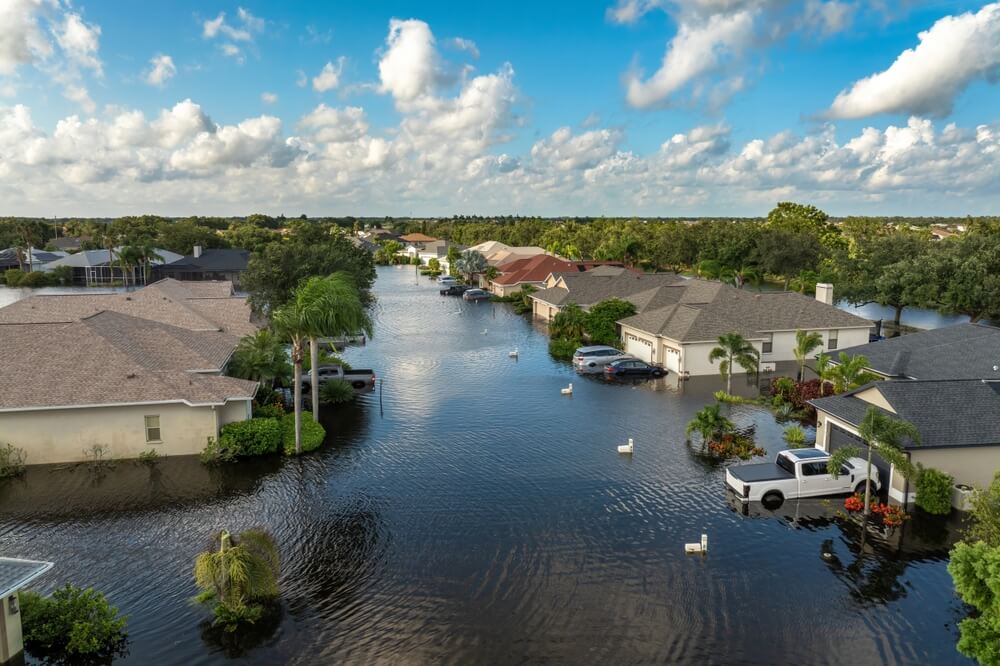
Flood damage and earthquake losses are specifically excluded from most homeowners policies. If you live in a flood-prone area or an earthquake zone, you’ll need to purchase additional insurance to provide coverage for these natural disasters, and it’s equally important to know what not to say when filing a home insurance claim so your coverage works as intended after a disaster. Flood insurance is often available through the National Flood Insurance Program (NFIP), while earthquake coverage may be purchased as a separate endorsement or policy.
Sewer Backup and Water Damage Endorsements
Standard policies exclude damage from sewer backups or gradual water leaks. You can purchase endorsements to cover these additional costs, which can be significant if a sewer backup floods your basement or water damage occurs from a slow leak.
Scheduled Personal Property
For valuable items like jewelry, art, collectibles, or expensive electronics, your standard personal property coverage may have sublimits that are too low. Scheduled personal property coverage allows you to list these items specifically with agreed values, providing broader protection against loss or damage for valuable items that need extra insurance.
Identity Theft Protection
Some insurers offer endorsements to help cover expenses related to identity theft, such as legal fees and credit monitoring services.
Home Business Endorsements
If you operate a business from your home, standard homeowners insurance may not provide adequate coverage. Endorsements or separate business insurance policies can help protect business equipment, liability, and loss of income.
Importance of Liability Protection
Homeowners insurance helps protect you financially not only for damage to your own home and belongings but also for liability protection. Liability coverage is crucial because it covers you if someone is injured on your property or if you accidentally cause damage to someone else’s property.
For example, if a guest slips and falls on your icy sidewalk and sues you for medical expenses and pain and suffering, your homeowners liability coverage can help pay for legal defense costs and any settlements up to your coverage amount.
Liability protection also extends to incidents that happen away from your home, such as if your child accidentally damages a neighbor’s property or if a family member causes injury to someone else.
Because liability claims can result in substantial financial losses, many homeowners choose higher liability limits or purchase umbrella insurance policies to provide additional coverage beyond their homeowners policy limits.
Homeowners Insurance and Your Mortgage
Most insurance companies and mortgage lenders require homeowners insurance before approving a loan. This homeowners insurance required by lenders protects their financial interest in your home, which serves as collateral for the mortgage loan, and if you live in a community with a homeowners association it’s also important to understand how your HOA can affect your homeowners insurance.
The insurance company pays claims to repair or rebuild the home’s physical structure if damaged by covered perils, helping ensure the lender’s investment is protected.
Your monthly mortgage payment often includes escrow amounts to cover your homeowners insurance premiums and property taxes. If you fail to maintain homeowners insurance, the lender may purchase insurance on your behalf, often at a higher cost, and add the premiums to your mortgage payments.
It’s important to understand that lenders cannot require you to purchase insurance from a specific insurance company or for more coverage than the actual cost to rebuild your home.
Protect your Home with InsureOne Insurance
At InsureOne Insurance, we understand that every home and homeowner is unique. Our experienced insurance agents work with most insurance companies nationwide to provide personalized quotes and coverage options tailored to your needs.
You can quickly obtain a personalized quote online or visit one of our local offices to meet with an agent face-to-face. Prefer speaking with an expert? Call 800-836-2240 to speak with agents who are ready to guide you through the process and answer your questions. We are committed to helping you find the best home insurance coverage at a competitive price.
Frequently Asked Questions About Homeowners Insurance
Does homeowners insurance cover water damage from plumbing leaks?
Sudden water damage like burst pipes is typically covered. Long-term leaks and mold from neglect are specifically excluded. Optional endorsements can provide coverage for sewer backups and additional water damage.
Is my home office covered?
Standard policies offer limited business property coverage. For home-based businesses, additional endorsements or separate policies may be necessary to provide adequate protection.
How often should I review my policy?
You should review your homeowners policy annually and after major changes such as home renovations, acquiring valuable items, or changes in your family or financial situation.
What if my home is underinsured?
If your coverage amount is less than the actual cost to rebuild your home, a coinsurance penalty may reduce the claim payout, leaving you responsible for additional costs out of pocket.
Can I reduce premiums without losing coverage?
Yes, by raising your deductible, installing security devices, maintaining a good credit score, avoiding small claims, and bundling home and auto insurance policies, you can lower your home insurance premiums while maintaining coverage.
What is the difference between replacement cost and actual cash value?
Replacement cost coverage pays for repairing or replacing damaged property without deducting depreciation. Actual cash value pays the depreciated value, which can result in lower claim payments.
Are condominium associations responsible for homeowners insurance?
Condominium associations typically provide insurance for the building’s physical structure and common areas. Individual condo owners need HO-6 policies to cover their unit’s interior and personal property.
How does bundling homeowners and auto insurance policies help?
Most insurance companies offer discounts when you purchase multiple policies, such as auto insurance policies and homeowners insurance, from the same insurer, reducing your overall premiums.
Work with InsureOne Insurance to compare carriers and find the best coverage and price for your home.