


Homeowners Insurance and Your Pool: How Coverage Really Works

Andrea Perez is a bilingual content writer at InsureOne, where she creates strategic content for multiple brands within the insurance industry. With a background in journalism, edi...

Erandi is a InsureOne Bilingual Senior Editor. She is passionate about creating meaningful content that helps people protect what matters most. She aims to empower readers to make ...

Rose Carter is an accomplished content strategist and insurance marketing leader with a proven track record of creating impactful, results-driven content. With expertise in writing...

A swimming pool can be a fantastic addition to your home, making it more enjoyable. However, when it comes to homeowners insurance with a pool can involve unexpected coverage limitations and costs.
If you’re planning to install a pool or already have one, understanding how your homeowners insurance covers it can help you avoid unexpected costs and identify potential coverage gaps.
How a Backyard Pool Changes Your Homeowners Insurance
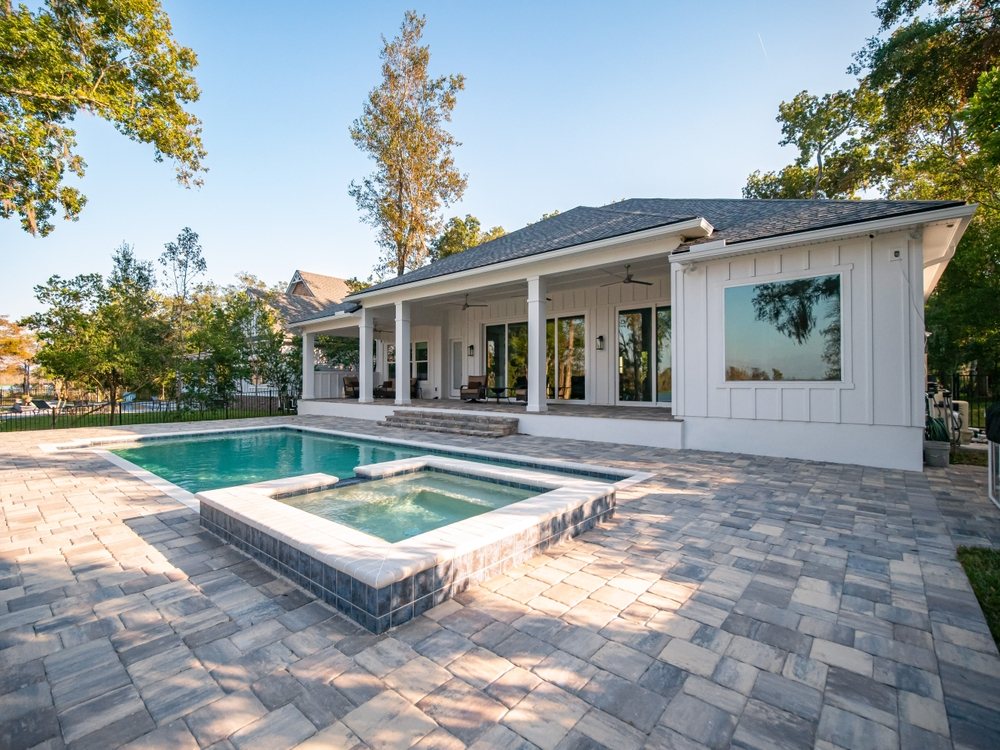
Picture this: You’re adding an in-ground pool to your backyard, complete with a concrete deck and new fencing. Before the first splash, your home’s risk profile has changed in ways your insurance company needs to know about.
A standard homeowners policy usually offers two main protections tied to a pool. First, property coverage for the pool itself if a covered peril like a windstorm or fire damages it. Second, liability coverage if someone suffers an injury while using it. Standard policies typically cover medical and legal expenses for injuries at pools, subject to limits and exclusions.
Insurance companies may view pools as higher-risk features because of the potential for injuries, lawsuits, and medical expenses. Adding a pool may affect your insurance premiums and coverage options.
Coverage isn’t automatic or identical across insurance companies. How the pool is built, whether it’s fenced, and how it’s used all matter. Homeowners should notify their insurance company when installing a pool to help avoid coverage issues. Failing to disclose a pool could lead to problems with a future claim.
InsureOne Insurance agents can review your current coverage, flag pool-related gaps, and suggest higher limits or endorsements if needed.
Is Your Pool Covered as Dwelling, Other Structures, or Personal Property?
The way your homeowners insurance policy classifies a pool affects how much coverage it gets and which deductible applies.
- Dwelling coverage (Coverage A): Some policies may cover pools under dwelling coverage if the pool is attached to the home’s structure, such as an indoor pool or one sharing a wall with the house. Coverage limits and payment terms depend on the policy.
- Other structures (Coverage B): In-ground pools typically fall under other structures coverage. Some policies also cover permanently installed above-ground pools as other structures, alongside detached garages, sheds, and pool houses. Coverage limits vary by policy.
- Personal property (Coverage C): Insurance companies may classify portable above-ground pools, like inflatables or seasonal setups, as personal property. They may share limits with furniture, electronics, and other belongings, which can mean less protection.
If your pool and related features cost more than your available coverage, you may need to purchase additional structures coverage. An InsureOne Insurance agent can help you determine whether your limits match the actual replacement cost.
What Pool Damage Is Covered (and What Usually Is Not)?
A “covered peril” is an event your insurance policy specifically protects against. Common examples include fire, windstorm, hail, lightning, and vandalism. Homeowners insurance may cover pool damage from these events, subject to your deductible, limits, and policy exclusions.
Situations that are generally covered:
- A tree limb falls into the pool during a windstorm and punctures the shell
- Vandalism damages pool tiles or equipment
- A backyard fire damages a detached pool house
Situations that are typically not covered:
- Gradual pool cracks from ground settling or age
- Old plumbing failures or long-term neglect
- Damage caused by freezing water if the owner didn’t properly winterize the pool
- Flood and earthquake damage, which standard policies often exclude
- Normal wear and tear and lack of maintenance, which standard policies often exclude
For above-ground pools, insurance may cover damage from a covered peril like a windstorm. But policies typically don’t cover collapse from ice buildup, rust, or age.
One detail worth checking is whether your pool has replacement cost value (RCV) or actual cash value (ACV) coverage. RCV generally considers the cost to replace damaged property with comparable new property, subject to policy terms. ACV accounts for depreciation, which can reduce what you’d receive after a claim. Ask your InsureOne Insurance agent how much coverage you’d realistically get for repairs or replacement.
How Much Liability Coverage Does a Pool Owner Really Need?
Liability coverage is the part of your homeowners insurance that helps pay if someone is injured in or around your pool and you’re found legally responsible. It can cover medical bills, legal expenses, and court awards, subject to policy terms and limits.
Homeowners insurance policies include liability coverage, but the available limits vary. Pool owners may want to consider higher liability limits because of the additional risks associated with having a pool. Some insurance companies may also have specific liability coverage requirements for homes with pools.
Common liability scenarios include:
- A guest slips on wet pool steps and breaks a wrist
- A neighbor’s child wanders into an unfenced pool area and is injured
- Someone suffers an injury while using a diving board or slide
Pool owners may be liable for injuries even if trespassers are involved. Negligence in pool safety can lead to liability claims, especially when children are involved. Legal responsibility depends on the circumstances and applicable state law.
A personal umbrella policy can provide additional liability protection beyond your homeowners and auto insurance limits. This coverage may be especially helpful for families who frequently host gatherings or have teenagers who use the pool. Coverage limits and costs vary by policy and insurance company.
Talk with an InsureOne Insurance agent about your net worth, risk tolerance, local risk factors, and guest usage to decide how much coverage makes financial sense. There’s no one-size-fits-all number.
Safety Features, Diving Boards, and Insurance Company Requirements
Insurance companies may have different safety requirements for homes with pools, depending on the company and state.
Typical requirements or strong recommendations include:
- A fence that fully encloses the pool area and meets local height requirements
- Self-closing, self-latching gates with locks
- Pool alarms or covers
- Secure ladders on an above-ground pool
- Non-slip surfaces on the pool deck
Insurance companies may require safety measures such as secure fencing and self-latching gates to maintain coverage. Safety compliance and local regulations may also affect coverage eligibility.
Features like diving boards, slides, and deep ends can affect coverage eligibility. Some insurance companies may limit or decline coverage when these features are present. They may also require homeowners to remove certain high-risk features to maintain coverage. Other companies may allow them if they meet local codes and safety standards.
In some jurisdictions, pools may fall under attractive nuisance laws, which can affect a homeowner’s legal responsibility when children enter a pool area without permission. This is one reason insurance companies pay close attention to barriers and access control.
Local laws and building codes can influence pool safety requirements. Confirm pool rules with both local officials and your insurance company.
Extra Insurance Options: Umbrellas, Endorsements, and Higher Limits
Pool ownership may justify more than a standard home insurance policy, especially in households with frequent guests.
- Umbrella insurance: Can provide additional liability coverage beyond your homeowners and auto insurance limits. Pool owners may want to explore this option based on their personal coverage needs.
- Higher other structures limits: You may be able to increase your other structures coverage to better protect an in-ground or above-ground pool, surrounding deck, and detached pool house.
- Endorsements or riders: Some insurance companies offer additional coverage options for custom pools or certain equipment. Availability varies by insurance company and policy.
Bundling homeowners insurance with auto insurance or other policies through InsureOne Insurance may help offset the cost of higher limits. You can explore available multi-policy discounts with an agent.
Practical Tips to Protect Your Pool, Reduce Risk, and Support Your Coverage
Smart maintenance and risk management can help keep your pool safer and demonstrate responsible pool ownership.
- Maintain proper water levels and chemistry year-round
- Inspect regularly for early pool cracks, loose tiles, or sharp edges
- Fix broken ladders, gate hardware, or fence sections promptly
- Winterize pools in cold climates following manufacturer and contractor guidance to avoid freeze-related damage that may not be covered
- Document your pool’s condition with photos or videos at least annually and after major storms to support any future home insurance claim
- Set clear household rules about running on wet decks, adult supervision for children, and swimming at night without proper lighting
These steps can reduce the chances of a liability claim and help demonstrate responsible pool ownership if you ever need to file one.
Key Takeaways
- A standard homeowners policy may cover a pool for certain covered perils and provide liability coverage if someone is injured in or around the pool area.
- Coverage varies based on whether your pool is in-ground or above-ground, how your insurance company classifies it, and your policy’s coverage limits.
- Pool owners may want to consider higher liability limits, and an umbrella policy can provide additional protection.
- Pool safety requirements, including fences, self-latching gates, and rules around diving boards and slides, may affect coverage eligibility and premiums depending on the insurance company and location.
- InsureOne Insurance agents can compare options from multiple insurance companies, explain how much coverage makes sense for your specific pool, and help bundle homeowners insurance with other policies.
Frequently Asked Questions About Homeowners Insurance With a Pool
Do I Need to Tell My Insurance Company Before Installing a Pool?
Yes. Homeowners should contact their insurance company or InsureOne Insurance agent before scheduling a pool installation. Adding a pool changes the home’s risk profile and coverage needs. Advance notice gives you time to adjust liability coverage, confirm how the insurance company will classify the new pool, and check whether any safety features are required. Failing to disclose a new pool could create problems with a later claim, especially for injuries or property damage in the pool area.
If a Guest Is Injured in My Pool, How Does a Homeowners Insurance Claim Usually Work?
The homeowner should first seek any needed emergency medical care for the guest, then contact their insurance company or InsureOne Insurance agent to report what happened as soon as reasonably possible. The insurance company may review medical payments coverage for immediate costs and then look at liability coverage if there are allegations of negligence or a lawsuit, subject to the policy’s limits and exclusions. Claim handling varies by insurance company and state. Maintaining accurate incident notes and photos can help during the process.
Are Pool Accessories Like Heaters, Pumps, and Automatic Covers Covered?
Many permanently installed pool accessories, such as built-in heaters, pumps, and hard-wired lighting, may fall under pool or other structures coverage, subject to the policy’s covered peril rules. Removable items like toys, portable pumps, and furniture may fall under personal property coverage, sharing limits with other household belongings. Review the total value of your pool equipment and ask your InsureOne Insurance agent whether current limits are high enough to replace everything after a major covered loss.
Can Adding a Pool Cause My Home Insurance to Be Canceled or Non-Renewed?
Adding a pool doesn’t automatically mean an insurance company will cancel a policy. However, some insurance companies may decide not to renew coverage or may decline new business if the home doesn’t meet certain safety standards or if the risk falls outside their guidelines. Factors such as missing fences, unsecured access, or high-risk features like older diving boards can influence an insurance company’s decision. InsureOne Insurance can help homeowners compare options with multiple insurance companies if their current provider is no longer the best fit.
How Often Should I Review My Homeowners Policy if I Have a Pool?
Pool owners should review their homeowners insurance at least once a year and anytime they make significant changes, such as resurfacing an in-ground pool, adding a new deck, or building a pool house. Regular reviews help keep dwelling, other structures, and liability limits aligned with the property’s current value and the household’s risk level. Schedule an annual check-in with an InsureOne Insurance agent to discuss updates, possible discounts, and any new safety features you’ve added.
Working With InsureOne Insurance to Cover a Home With a Pool
Our agents compare homeowners insurance quotes from multiple insurance companies, looking specifically at how each one treats an in-ground or above-ground pool, other structures coverage, and liability limits.
An agent can walk you through choosing how much coverage makes sense for dwelling, other structures, personal property, and liability based on the pool’s value, features, and how often it’s used. We can also review auto insurance, motorcycle insurance, and umbrella policies at the same time to see whether bundling offers discounts and stronger protection.
Contact InsureOne by phone at 800-836-2240, visiting one of our locations or starting a quote online to review your current homeowners insurance before or shortly after installing a pool.