


How a Backyard Pool Affects Your Homeowners Insurance

Ashley Walrath is a results-driven content strategist and copywriter known for creating clear, engaging content that connects brands with their audiences while supporting measurabl...

Cyndi Wright is the senior copywriter and content manager at InsureOne. With a career that has spanned many facets of writing across a variety of platforms, Cyndi loves to create a...

Rose Carter is an accomplished content strategist and insurance marketing leader with a proven track record of creating impactful, results-driven content. With expertise in writing...
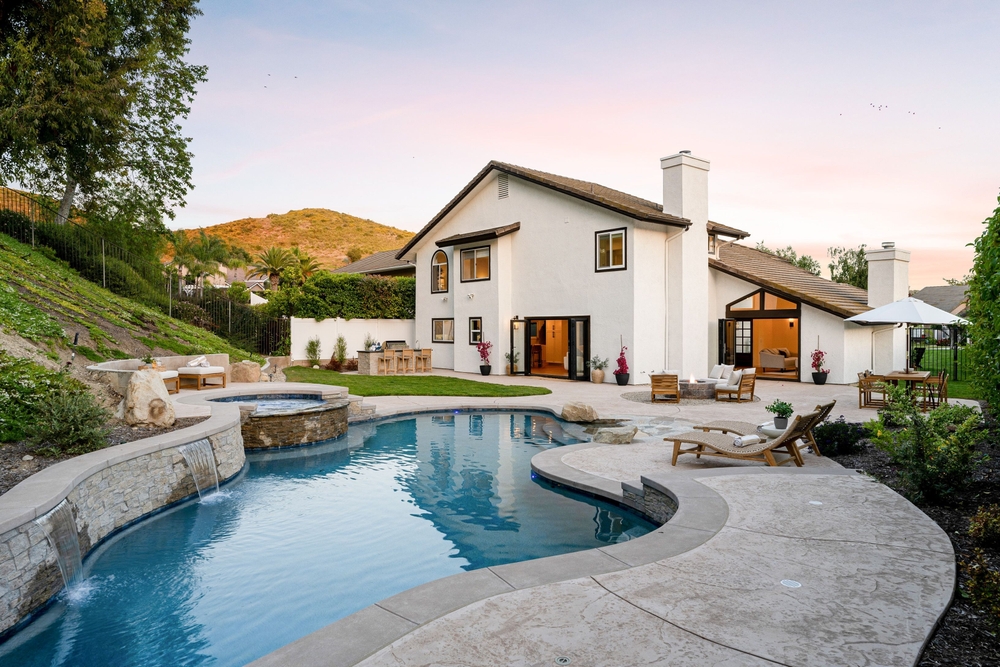
Adding a swimming pool to your property is exciting. At the same time, it’s important to consider how you’re protected if someone gets hurt or a storm tears through your pool deck. Before you sign a contract with a builder, it pays to understand exactly how pool ownership changes your home insurance picture, from premiums and coverage limits to liability exposure and safety rules.
Key Takeaways
- Homeowners insurance may cover an in-ground or above-ground pool, but the coverage section that applies can depend on the pool’s design, installation, and your insurer’s rules.
- A backyard pool can increase your liability exposure. Depending on your situation, you may want to review your liability limits and consider an umbrella insurance policy for additional protection.
- Adding a pool may affect your home insurance premium and eligibility. Safety features such as fencing, locked gates, and pool alarms may also factor into an insurer’s underwriting requirements.
- InsureOne Insurance agents can compare multiple insurance company options to help you decide how much coverage you need for your pool, your property, and your guests.
What Is “Pool Insurance” and How Does It Work with Homeowners Insurance?
The term “pool insurance” doesn’t usually refer to a separate policy. Instead, coverage for a swimming pool may come from different parts of your homeowners policy, such as dwelling coverage, other structures coverage, personal property coverage, and liability coverage.
Depending on state law, a swimming pool may be considered an attractive nuisance, which can create additional liability concerns for homeowners. Your policy may cover pool damage caused by certain covered events, such as fire, wind, falling objects, or vandalism. Wear and tear, poor maintenance, and gradual damage are generally excluded.
InsureOne Insurance works as a national insurance broker, helping homeowners understand which parts of their policy and the different types of homeowners insurance policies available that apply to the pool before they ever break ground.
Does Homeowners Insurance Cover Your Pool? (In-Ground vs. Above-Ground)
Most modern homeowners policies can cover pools, but the type of pool affects how your insurer classifies it, and classification drives everything from coverage limits to deductibles.
- Permanently installed in-ground pools may be covered under dwelling coverage or other structures coverage, depending on the policy and how the pool is installed.
- Permanent above-ground pools may also fall under other structures coverage, although classification varies by insurer and installation.
- Portable or seasonal pools may be treated as personal property under some policies. Coverage limits, deductibles, and covered causes of loss depend on the policy.
Features around the pool-attached decks, slides, diving boards, and built-in spas all influence both the total value you need to insure and the insurer’s underwriting decision.
How Pools Affect Home Insurance Premiums and Coverage Limits
Adding a pool changes how an insurer evaluates your property and may affect your premium, coverage limits, or eligibility.
The impact on your premium can vary based on factors such as the type of pool, its value, your location, its safety features, and your insurer’s underwriting rules.
Here’s a hypothetical example of how a coverage limit could work. If a policy sets other structures coverage at 10% of a $400,000 dwelling limit, the other structures limit would be $40,000:
| Dwelling Limit | Other Structures Percentage | Example Other Structures Limit |
| $400,000 | 10% | $40,000 |
If the cost to replace your in-ground pool, concrete patio, fencing, and related equipment exceeds that default cap, you’ll need to raise your property coverage. InsureOne Insurance can compare quotes from carriers that specialize in homes needing higher limits, helping you see how much coverage you can buy at different price levels.
Liability Protection for Injuries in and Around the Pool
The liability portion of your homeowners policy is arguably the most important part of pool insurance. Medical bills and legal fees from a single pool accident can easily exceed the value of the pool itself.
Your homeowners policy’s liability coverage can help cover legal defense costs and damages if you’re found legally responsible for a covered injury related to your pool. Some policies also include separate medical payments coverage for certain guest injuries, subject to policy terms and limits.
Liability limits vary by policy. Because a pool can increase the chance of a serious injury claim, it may be worth reviewing your current limits with an insurance agent. Depending on your assets and coverage needs, higher homeowners liability limits or a personal umbrella policy may provide additional protection.
InsureOne Insurance agents can help you determine how much liability coverage makes sense based on your assets, your risk tolerance, the number of visitors you host, and whether children or older adults regularly use the pool.
Common Exclusions and Gaps: What Your Pool Insurance May Not Cover
Even when the pool is listed on a homeowners policy, not every type of pool damage or incident will be covered. Understanding these gaps is essential for every pool owner.
Common exclusions include, and in some cases you may need additional protections like loss of use coverage if pool damage leaves your home temporarily uninhabitable:
- Gradual damage: An aging pool liner, cracking from poor installation, or deterioration of concrete over time
- Mechanical breakdown: Failures of pool filters, pumps, or heaters outside of a covered event like a storm
- Neglect: Damage resulting from lack of maintenance or improper chemical storage
- Natural disasters: Flood and earthquake damage to your specific pool typically require separate policies or endorsements
Missing or disabled safety features may affect underwriting and could complicate a claim, depending on your policy, applicable law, and the circumstances of the incident. When a loss does occur, be careful how you communicate with your insurer and avoid common mistakes homeowners make when filing insurance claims. Review your insurance policy’s exclusions with an InsureOne Insurance agent so you understand exactly what your homeowners insurance doesn’t cover.
Safety Requirements, Fencing, and Risk-Reduction Around the Pool
Your insurance provider cares not just that you have a pool, but how safely you manage the area around the pool day-to-day to protect people and property.
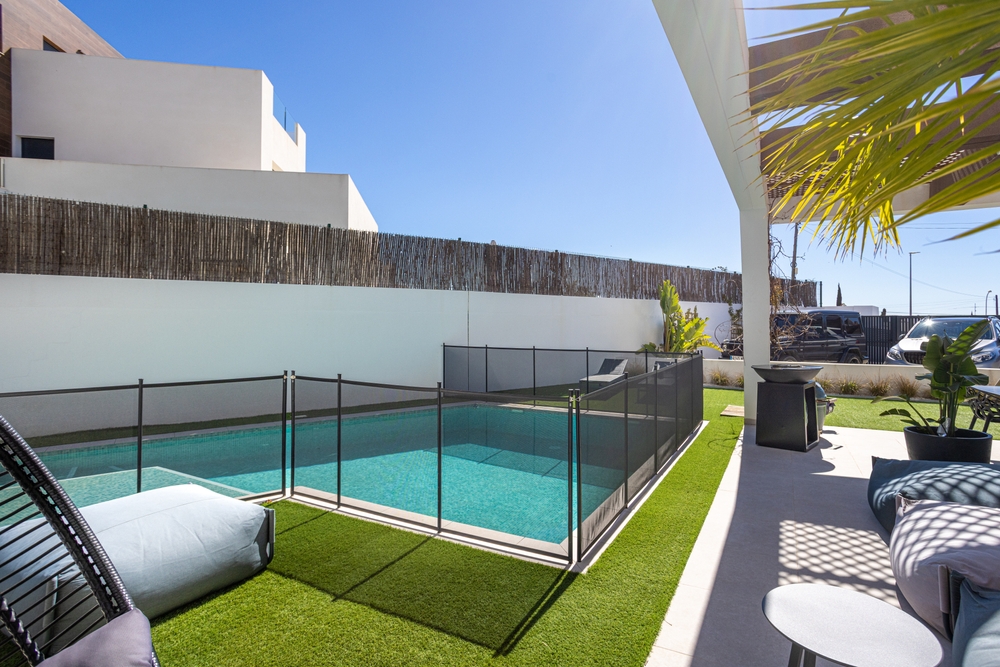
Local building and safety codes may require features such as pool barriers, self-closing or self-latching gates, alarms, or approved covers. Requirements vary by location, so check with your local building authority and your insurer before installing or modifying a pool.
Additional safety upgrades that can help with both pool safety and insurability include anti-entrapment drain covers, non-slip surfaces on the pool deck, secure chemical storage, a first aid kit near the pool area, and safety covers with auto-locking mechanisms.
Insurers may decline coverage or charge higher premiums when high-risk features like very tall diving boards or unattended inflatable structures are present. Maintaining clear sightlines to the backyard pool, posting basic pool rules, and ensuring children never have unsupervised access are simple steps that help reduce claim exposure.
Planning a Pool? How InsureOne Insurance Helps You Get the Right Coverage
If you’re considering installing a pool, contact your insurance agent before signing a contract with a builder.
InsureOne Insurance can review your current coverage, explain how a new pool may be classified, and help you find out whether your current insurer has requirements for in-ground pools, diving boards, or other planned features.
We can also help you compare homeowners, auto, and umbrella coverage options based on your needs. If your current carrier isn’t a good fit for a home with a pool, an agent can help you compare other available home insurance options.
When you’re ready, get a quote online, call 800-836-2240, or find an InsureOne office near you.
Frequently Asked Questions About Pool Insurance
Does homeowners insurance cover damage to my pool equipment and accessories?
Pumps, filters, heaters, and permanently installed lighting may be covered as part of the pool or another insured structure, depending on how your policy classifies them and what caused the damage. Removable items-patio furniture, portable steps, and small slides may fall under personal property coverage with separate limits and deductibles.
Do I need to tell my insurance company before I build a pool?
It’s a good idea to contact your insurer before construction begins. Some insurers may require notice of a new pool, and adding one can affect your property’s insured value, liability exposure, or eligibility. Failing to disclose a new in ground pool could lead to coverage disputes after a claim, especially for liability incidents.
How do local building codes and HOA rules affect my pool insurance?
Insurers expect homeowners to follow local building codes, zoning requirements, and HOA rules for pool installation, fencing, and safety barriers. Noncompliance may affect underwriting or a claim in some circumstances, depending on the policy, the nature of the violation, and applicable state law. Gather permit documents and inspection records for your insurance file and share any unusual HOA restrictions with your InsureOne Insurance agent.
Will adding a hot tub or spa change my home insurance coverage needs?
A built-in spa may be treated as part of the pool or another structure, while a portable hot tub may be treated differently. Classification depends on the policy and how the spa is installed. Both types add additional risk, particularly when used by guests or children, and may justify higher liability limits or an umbrella policy.
Can good pool safety practices help lower my home insurance premium?
Safety features may affect an insurer’s eligibility or underwriting requirements, but discounts and pricing vary by carrier. Ask an InsureOne Insurance agent which pool-safety features your preferred insurers require or consider when evaluating a home with a pool.