


What Insurance Do Businesses Need Before Signing a Commercial Lease?

Mónica Alarcón is a Senior Content Writer at InsureOne, where she strengthens editorial quality and ensures that content is accurate, compliant, clear, and consumer-focused. Her ro...

Erandi is a InsureOne Bilingual Senior Editor. She is passionate about creating meaningful content that helps people protect what matters most. She aims to empower readers to make ...

Rose Carter is an accomplished content strategist and insurance marketing leader with a proven track record of creating impactful, results-driven content. With expertise in writing...

Before you sign a commercial lease, review the insurance section as carefully as the rent, term, and build-out provisions. A landlord may require specific policies, liability limits, endorsements, and proof of coverage before you receive the keys or begin work in the space.
Checking those requirements early gives you time to compare them with your existing business insurance, price any changes, and spot obligations that could affect your budget or move-in date.
Why insurance requirements matter before you sign
A commercial lease can assign responsibility for accidents, property damage, repairs, tenant improvements, and other losses. Its insurance provisions may also tell you which policies to carry, how much liability coverage to maintain, which parties must be added to a policy, and when you need to provide evidence of coverage.
Not every insurance obligation comes from the lease. Some coverage may be required by law. For private-sector employers, workers’ compensation is generally overseen at the state level. The U.S. Department of Labor’s state workers’ compensation resources can help employers find the agency that administers the rules in their state. Other coverage may be required only by the landlord, while additional policies may simply be useful protection for risks the business doesn’t want to absorb on its own.
Because these obligations come from different places, don’t assume a policy that worked at your previous location automatically satisfies a new lease.
What does the landlord insure, and what does the tenant insure?
A landlord’s policy usually isn’t a substitute for the tenant’s business insurance. The exact split depends on the lease and the policies involved, but the property owner commonly insures the building and other property the landlord is responsible for. That may include the structure, roof, exterior, common areas, and certain landlord-owned fixtures.
The tenant may still need coverage for inventory, furniture, computers, point-of-sale systems, tools, machinery, signs, tenant improvements, business income, vehicles, employees, and liability arising from its operations.
For example, if a covered fire damages the building and inventory inside a store, the owner’s policy may address insured building property. The tenant may need its own commercial property coverage for merchandise, equipment, furniture, or improvements it was responsible for insuring. Always use the lease and the applicable policies to determine who is responsible for what.
Insurance policies that may come up in a commercial lease
There’s no standard insurance package for every commercial tenant. A professional office, restaurant, warehouse, contractor, and retail shop can have very different exposures. That’s why it helps to compare commercial insurance options based on the business’s actual operations instead of treating the lease as a one-size-fits-all checklist. These coverages commonly come up in lease reviews:
| Coverage | What it generally protects | Why it may matter when leasing |
| General liability | Third-party bodily injury, property damage, and other covered liability claims | A landlord may require it for liability connected to your operations |
| Commercial property | Business-owned property and physical assets | Can protect property kept in the leased space |
| Workers’ compensation | Benefits for covered job-related injuries or illnesses | State law may require it, and the lease may require evidence of coverage |
| Business income | Certain lost income and continuing expenses after a covered loss | Can help if a covered loss interrupts operations at the location |
| Commercial auto | Vehicles used for business | May be relevant when vehicles are part of the tenant’s operations |
General liability insurance
General liability insurance can help protect a business from certain third-party claims involving bodily injury, property damage, and other covered liabilities. If a customer slips in your store or your operations accidentally damage someone else’s property, a covered claim may help with related expenses, subject to the policy’s terms and limits.
A lease may set minimum liability limits and require you to add the landlord, property manager, or another party as an additional insured. Check the exact wording rather than choosing a limit independently.
Commercial property insurance
Commercial property insurance can help cover physical assets such as furniture, computers, inventory, equipment, supplies, and signs, depending on the policy. If you’re reviewing the basics, InsureOne’s guide to what commercial property insurance covers provides additional context. When setting a property limit, consider what it could cost to repair or replace the property you use now, not just what you paid for it years ago. Ask your insurance professional how the policy values covered property.
Tenant improvements and betterments
A leased space may need flooring, counters, lighting, partitions, cabinetry, electrical work, or other improvements before it fits your operation. The lease can determine who owns those improvements after installation and who must insure them.
Before a build-out starts, confirm who is responsible for the improvements during construction and after completion, and what happens if they’re damaged. This matters even more when the build-out represents a significant investment.
Workers’ compensation insurance
Workers’ compensation can provide benefits related to covered job-related injuries or illnesses, including medical treatment and wage replacement where applicable. Requirements for private employers generally come from state law, and the rules vary by state. If you’re adding staff at the new location, employee count can affect business insurance considerations. A lease may also require a tenant to show evidence of workers’ compensation coverage when it applies.
Business income coverage
A property loss can create another problem after the physical damage: the business may not be able to operate normally. Business income coverage, sometimes called business interruption coverage, may help replace certain lost income and continuing expenses when operations are interrupted by a covered cause of loss, subject to policy terms and limits.
This coverage is worth reviewing when revenue depends heavily on one physical location and expenses continue even when that location is temporarily unusable.
Commercial auto insurance
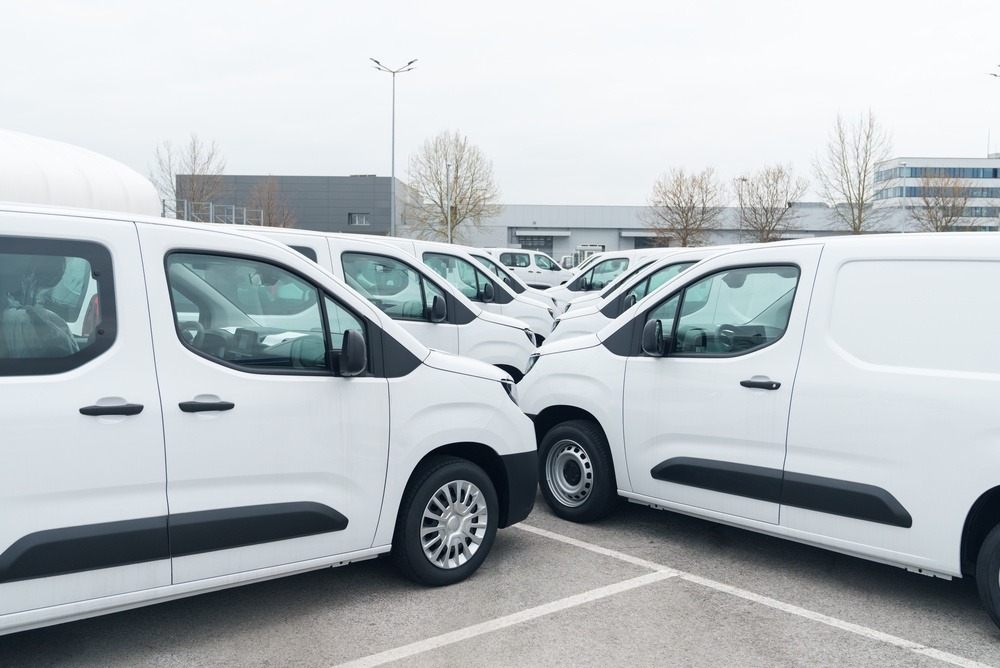
If your business owns or uses vehicles for deliveries, service calls, transporting products, or carrying equipment, commercial auto insurance may also be relevant. The appropriate protection depends on vehicle ownership, use, drivers, and other operational details. Not every landlord asks for proof of commercial auto insurance, but the requirement can appear when vehicles are central to the tenant’s work.
Who insures leased equipment and property you don’t own?
The commercial space may not be the only property your business leases. Restaurants may lease kitchen equipment, offices may lease printers or technology, and contractors may rent specialized machinery. An equipment lease or financing agreement can make your business responsible for damage while that property is in your possession.
Before moving in, sort property into three categories so you can compare each one with the lease and your insurance:
- Landlord-owned property: Fixtures or equipment that belong to the building owner
- Business-owned property: Inventory, furniture, equipment, and other assets your company owns
- Third-party leased or financed property: Equipment another company owns but your business uses
Then confirm which party is responsible for insuring each category and whether applicable policy limits are sufficient.
Certificates of insurance and additional insured requirements
What is a certificate of insurance?
A certificate of insurance (COI) provides evidence of existing insurance and typically summarizes information such as the insurer, policy type, effective dates, and limits. A landlord may request a COI before giving you possession, before contractors begin a build-out, or when coverage renews.
A COI is evidence of insurance. It doesn’t independently change the coverage provided by the underlying policy.
What does additional insured mean?
A lease may require the landlord or another party to be added as an additional insured on certain liability coverage. That’s different from being listed only as a certificate holder. Additional insured status may provide coverage to the added party under specified circumstances, subject to the policy and endorsement.
If the lease requires additional insured status, confirm that the policy endorsement meets the requirement. Don’t assume the COI alone does the job.
Other insurance terms you may find in the lease
Commercial leases can also contain technical insurance provisions. Common examples include:
- Primary and non-contributory wording: Generally addresses which applicable insurance responds first when more than one policy could cover a claim
- Waiver of subrogation: Can limit an insurer’s ability to seek recovery from another party under circumstances covered by the waiver
- Umbrella or excess liability: Can provide additional liability limits above an underlying policy
If your lease uses these terms, have the requested wording reviewed before assuming your current policy complies.
How much insurance does a commercial lease require?
There’s no universal liability limit or property amount for every commercial tenant. The lease may specify minimum liability limits, while property limits should reflect the assets or improvements you’re responsible for protecting.
The amount and type of coverage can be affected by the business’s activities, customer traffic, property type, equipment and inventory values, vehicle use, and the landlord’s contractual requirements. The number that matters for lease compliance is the requirement stated in your contract and supported by the applicable policy.
What to check before signing the lease
Use the draft lease to compare the landlord’s requirements with the coverage your business already carries. Before signing:
- Find the insurance clauses. Review sections labeled insurance, liability, indemnification, or similar terms.
- List each required policy. Note liability, property, workers’ compensation, auto, business income, umbrella, or specialized coverage named in the agreement.
- Write down the limits. Don’t assume your current limits satisfy the lease.
- Identify additional insured requirements. Note each person or organization the lease asks you to add.
- Review property responsibilities. Pay attention to tenant improvements, equipment, signage, glass, fixtures, and other property assigned to you.
- Confirm deadlines. Determine whether proof is due at signing, before the policy period begins, before build-out, or before keys are released.
Then compare the lease with your existing policies. A new location, higher property values, new equipment, or different operations can create business insurance coverage gaps that didn’t matter at your previous location. If the new space changes how the business operates, you may also need to tailor coverage to those business needs. If a requirement doesn’t match your coverage, discuss it before the lease becomes binding. An insurance professional can explain coverage options, while legal counsel can advise you about contractual obligations and lease language.
Review your business insurance before you commit to the space
A commercial lease can shape your insurance needs before opening day. Reviewing requirements early can help you understand what the landlord expects, identify coverage changes, and avoid scrambling for documents before move-in.
InsureOne can help you review your commercial insurance options and identify coverage that fits your business and the requirements of your new location. Explore business insurance options with InsureOne, request a quote online, or call 800-836-2240 to speak with an agent before you move into your new commercial space.
Frequently asked questions about commercial lease insurance
Do I need business insurance before signing a commercial lease?
Not necessarily in every case, but you should review and price the required coverage before signing. A landlord may require proof before the lease begins, before you take possession, or before contractors start work. Checking early also helps you understand insurance costs before you commit to the space.
What insurance does a landlord usually require from a commercial tenant?
A commercial lease may require general liability insurance. Depending on the business and property, it may also address commercial property, workers’ compensation, business income, commercial auto, umbrella liability, or specialized coverage. The lease should identify the policies, limits, and endorsements that apply.
Does my landlord’s insurance cover my inventory and equipment?
Don’t assume it does. A landlord generally arranges coverage for property it owns or is contractually responsible for, while the tenant may need separate insurance for business personal property such as inventory, furniture, computers, and equipment. Review the lease and applicable policies before moving valuable property into the space.
What is the difference between a certificate holder and an additional insured?
A certificate holder receives a certificate showing evidence of coverage. That status alone doesn’t make the certificate holder an insured under the policy. An additional insured may receive protection under applicable policy terms or an endorsement. If the lease requires additional insured status, confirm that the required endorsement is in place.
What happens if my business insurance doesn’t meet the lease requirements?
The consequences depend on the contract. Failure to maintain required insurance could place a tenant in breach of the lease or trigger other remedies stated in the agreement. Compare your policies with the insurance section before signing and at renewal, and discuss mismatches with your insurance professional and, when appropriate, legal counsel.